
Last updated November 5, 2026
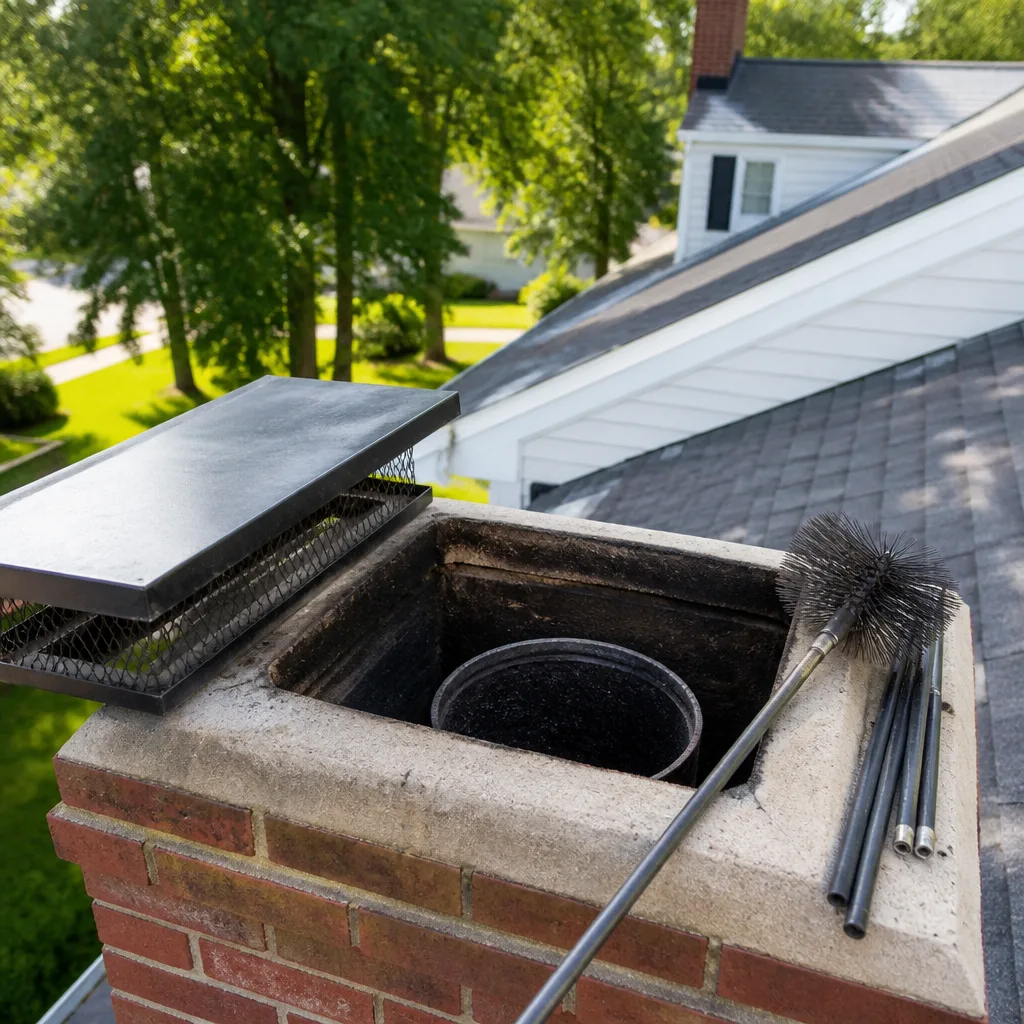 Sweep & inspection
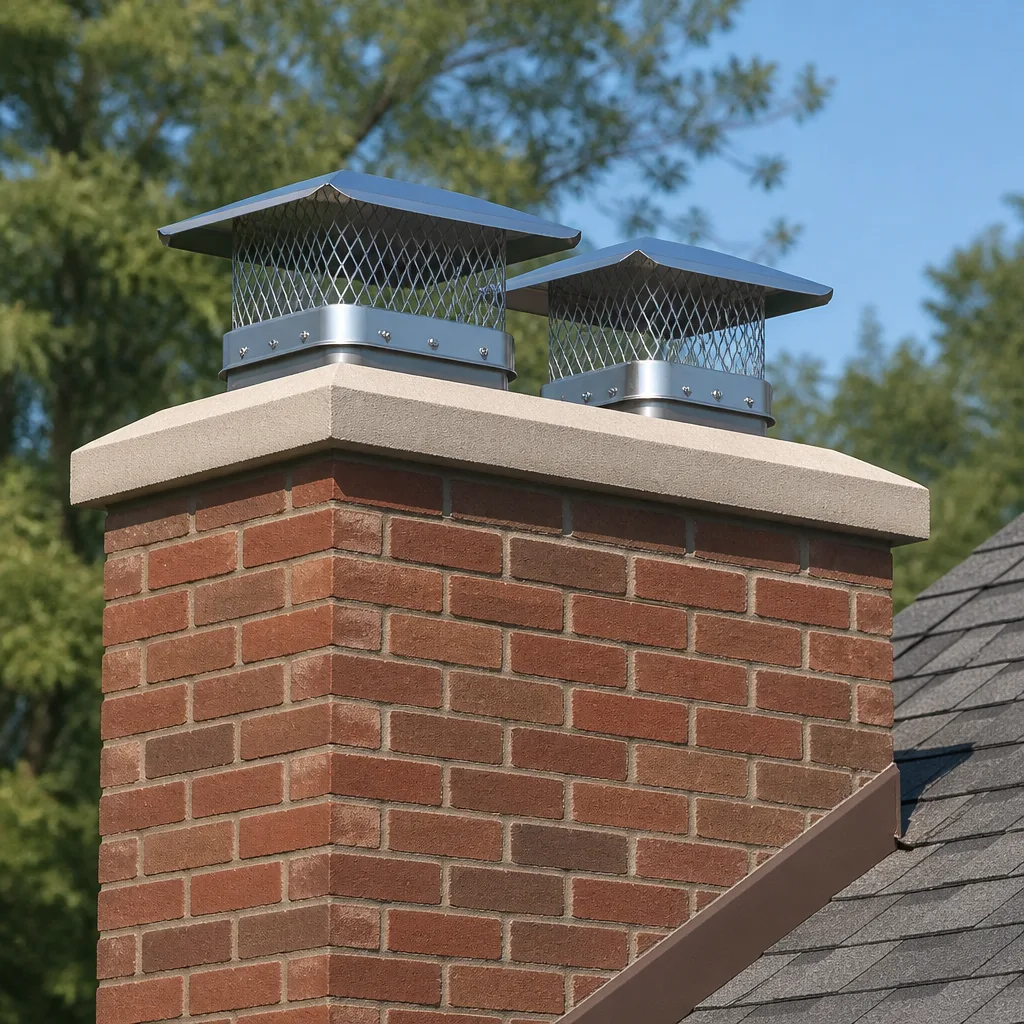 Caps & crowns
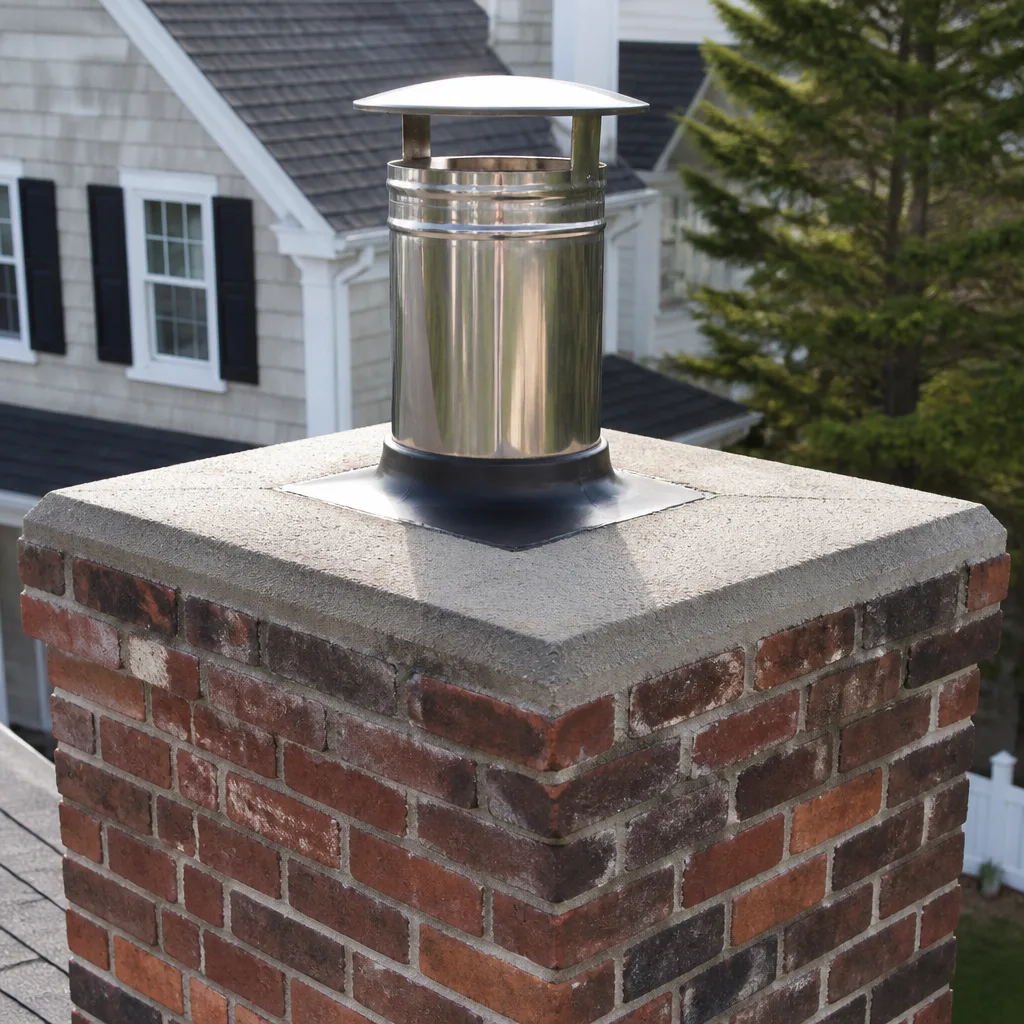 Flue relining
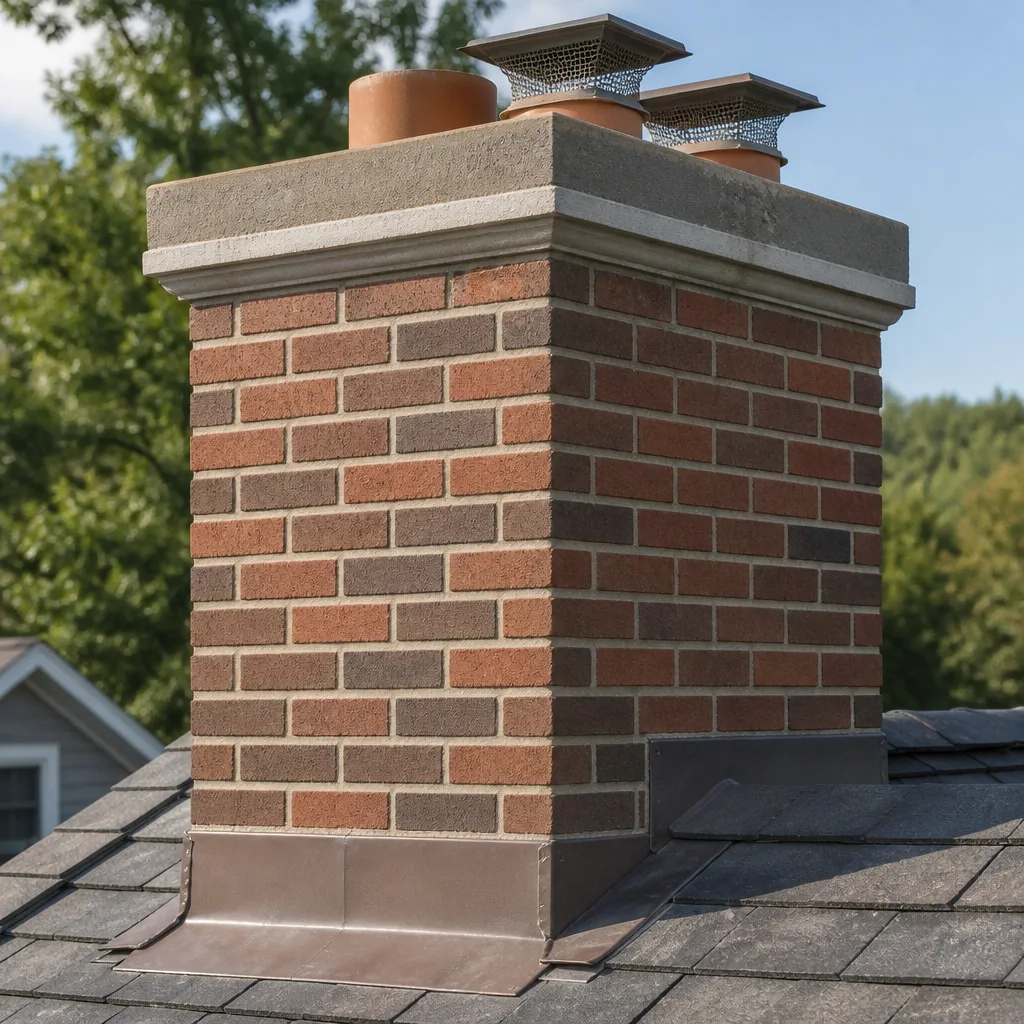 Masonry repair
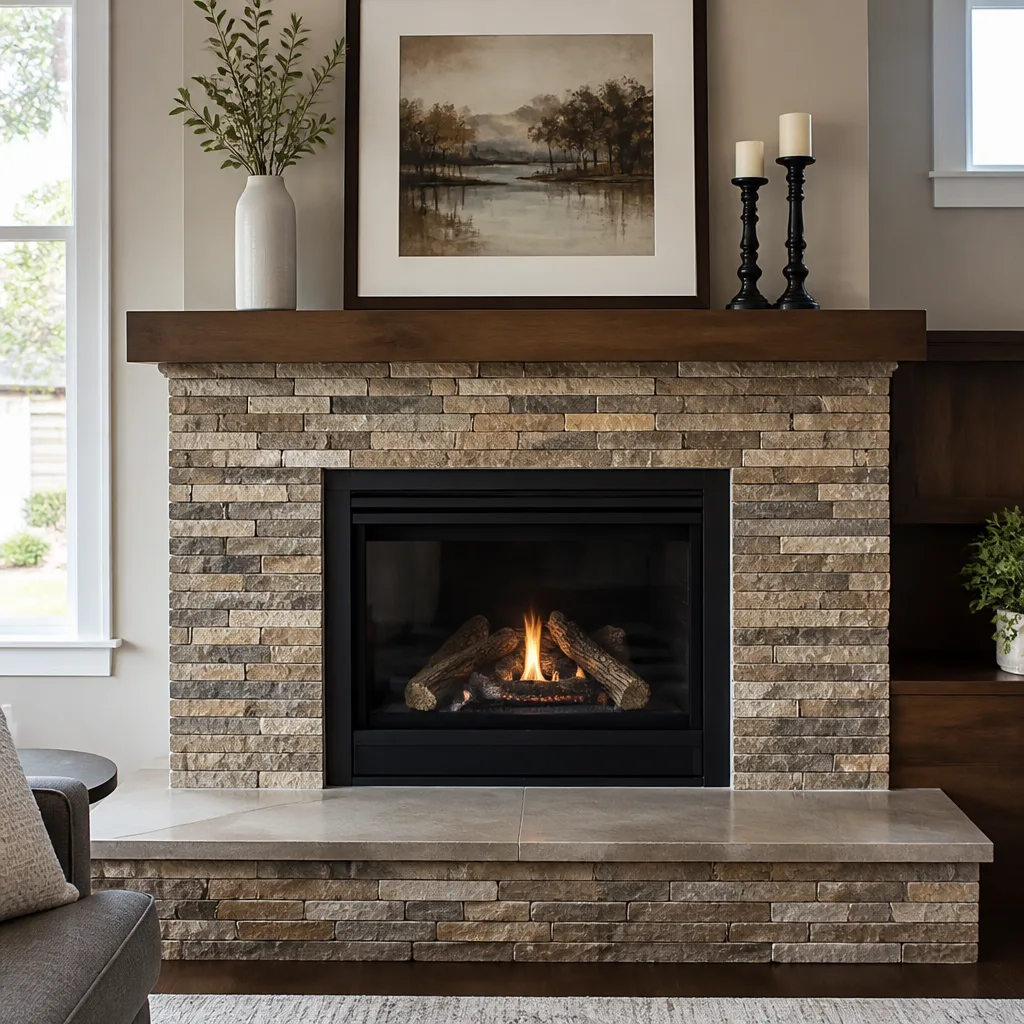 Gas fireplace service
Level 1 sweep and inspection to the NFPA 211 annual standard - flue, crown, cap, and flashing checked and photographed
Chimney sweep logs do not sweep chimneys. They loosen some creosote - which then falls where a brush and vacuum still have to collect it.
How to Hire a Chimney Cleaning Contractor in Mission Valley: A Step-by-Step Guide
Most homeowners in Mission Valley don’t get burned by a chimney sweep who charges too much. They get burned by a generalist who charges too little and never actually looks at the flue. A handyman with a rotary brush and a shop vac can call himself a chimney cleaner. What he can’t do is read the thermal stress cracks in a clay tile liner, identify spalling in the smoke chamber, or tell you whether that gap between the flue and the masonry is a cosmetic issue or a carbon monoxide pathway into the bedroom above the fireplace. This guide walks you through exactly how to separate the two before you let anyone onto your roof. You’ll learn which credentials mean something on paper, which brands signal real repair capability, how to read a quote without falling for the flat-rate trap, and what a legitimate inspection report actually obligates the contractor to tell you.
Quick Answer
To hire a chimney cleaning contractor in Mission Valley, verify CSIA or NFI certification before booking, ask which professional-grade liner and cap brands they stock (DuraFlex, HeatShield, Gelco, and Olympia Chimney are the names a specialist knows), require a Level 1 or Level 2 camera inspection as part of every sweep, and reject any quote that prices the job flat before the technician has seen the chimney. A real specialist sweeps, inspects, documents, and hands you photos of your own flue before recommending any repair.
Styles & brands we work with
- Sweep & inspection
- Caps & crowns
- Flue relining
- Masonry repair
- Gas fireplace service
Table of Contents
- Credentials That Actually Matter: What CSIA and NFI Really Test
- Why the Brands on a Contractor’s Truck Tell You Everything
- How to Read a Level 1 vs. Level 2 Inspection Report
- Reading Quotes Like a Specialist: The Flat-Rate Trap and Other Red Flags
- Fourteen Questions to Ask Before You Book
- Why the Lowest Bid Almost Always Reflects a Shorter Scope
- Step-by-Step Hiring Process for Mission Valley Homeowners
- Common Mistakes to Avoid
- When to Call a Professional
- Frequently Asked Questions
Credentials That Actually Matter: What CSIA and NFI Really Test
You’ll see a lot of acronyms on chimney truck doors in San Diego County. Two carry genuine weight: CSIA and NFI. CSIA stands for the Chimney Safety Institute of America, and its certified sweep credential requires passing a written exam on chimney science, code compliance, and safe work practices. It also requires continuing education to keep the certification active. When you see a CSIA number on a website or a van, you can verify it against a national registry. NFI, the National Fireplace Institute, runs parallel certification tracks for gas hearth specialists and wood-burning system specialists. A contractor holding an NFI gas credential has demonstrated that they understand venting calculations and clearance requirements, which matters if your Mission Valley home has a gas insert instead of a traditional masonry fireplace.
What neither credential does is guarantee competence on your specific roof. Think of them as the minimum floor, not the ceiling. A CSIA-certified sweep has proven they know the codebook and the fire science. They have not proven they’ll show up on time or quote honestly. That’s why certification is the first filter, not the final one. Here’s what each credential actually tests, in plain terms:
- CSIA Certified Chimney Sweep: Written exam covering fire codes, chimney anatomy, creosote science, flue sizing, and inspection protocols. Requires 60 continuing education credits over three years to renew.
- NFI Wood-burning Specialist: Exam focused on wood stove and fireplace installation, draft dynamics, and clearances to combustibles. Must be renewed with continuing education.
- NFI Gas Specialist: Covers gas log sets, direct-vent inserts, and venting termination requirements. Worth asking about specifically if you have a gas fireplace in a Mission Valley condo or apartment conversion.
- CSIA Master Chimney Sweep: A higher tier beyond the basic sweep credential, requiring additional years in the field and advanced coursework. Rare, and a strong signal when you find it.
Ask for the credential number and verify it. A legitimate specialist will give it to you without hesitation. Ours is tied to a national registry you can check in about thirty seconds, and we’re happy to point you to it. If a contractor changes the subject or says “we’re certified through the state,” that’s a red flag. California does not issue chimney sweep licenses. There’s no state chimney board, no state chimney license. The only meaningful proof in this trade comes from independent national bodies, and you have a right to ask for it.
Why the Brands on a Contractor’s Truck Tell You Everything
Here’s a shortcut that cuts through a lot of marketing noise: ask a contractor which brands they stock before you book. The answer tells you more than any review could. A dedicated chimney and venting specialist in Mission Valley sources from professional-grade manufacturers like DuraFlex for flexible stainless liners, HeatShield for ceramic liner restoration, Gelco for caps and terminations, and Olympia Chimney for structural repair products. These are the names that show up on the shelves of supply houses that only sell to licensed trade professionals. You can look them up yourself, and you should. A contractor who can name their liner supplier and explain why they chose it is a contractor who does real repair work, not just brush-and-go maintenance.
Compare that to the alternative. A generalist handyman buys whatever liner kit the big-box home improvement store happens to carry, because that’s where he shops. He can’t tell you the difference between a 316L stainless alloy and a 304 alloy, because the box doesn’t say. He can’t offer HeatShield restoration because that’s a professional system requiring trained application, not a product you slide off a retail shelf. The material difference is real. DuraFlex liners are built for continuous high-temperature exposure in wood-burning applications. Gelco caps are engineered for proper draft and weather termination. These are not interchangeable with generic substitutes, and the person installing them should know that.
In our experience, the fastest way to separate a specialist from a dabbler is one simple question: “What brand of liner do you install, and why?” The specialist answers immediately. The dabbler pauses, then says something vague about “industry-standard materials.” That pause is your answer.
How to Read a Level 1 vs. Level 2 Inspection Report
Every chimney sweep working to a professional standard in California follows the inspection framework defined by NFPA 211, the national standard. There are three levels. You’ll hear the terms Level 1 and Level 2 thrown around in quotes and marketing. Here’s what they actually mean and what each one obligates the contractor to disclose.
A Level 1 inspection is the standard addition to a routine chimney sweep. The technician visually examines the readily accessible portions of the chimney: the firebox, damper, smoke chamber, flue interior (as far as visible from the top and bottom), and exterior masonry. No special tools, no cameras, no roof removal of caps. A Level 1 is appropriate when you’ve used the chimney regularly and nothing has changed about the system. It does not involve crawling into attics or dismantling anything. What a competent sweep documents at Level 1 includes creosote accumulation by thickness and stage, visible cracks or gaps, damper function, cap condition, and any signs of water intrusion at the crown.
A Level 2 inspection is required when something changes: you’re buying a home, selling a home, switching fuel types, or the chimney has suffered an event like a chimney fire, earthquake, or severe storm. Mission Valley sits in an active seismic zone, and after any noticeable quake that rattles your fireplace surround, a Level 2 is the prudent call. The Level 2 adds a video scan of the full flue interior, an attic inspection where accessible, and a close examination of all exterior clearances. The camera is the critical difference. A Level 2 report should include images or video stills of your actual flue, not stock photos. If a contractor offers a Level 2 and then refuses to show you the footage, that’s not an inspection. That’s a guess with a bill attached.
The report itself should be written, not verbal. It should describe the conditions found using plain language, list any NFPA 211 code violations identified with the specific section referenced, and separate safety-critical findings from maintenance recommendations. A contractor who tells you “everything looks fine” and never writes anything down has not performed an inspection. They’ve performed a visit.
Reading Quotes Like a Specialist: The Flat-Rate Trap and Other Red Flags
Chimney quotes in Mission Valley run a wide gamut, and price alone tells you little. Structure tells you everything. The single biggest red flag in this trade is flat-rate-for-any-chimney pricing. That’s a number quoted over the phone before anyone has seen your roofline, your flue height, your liner material, or your creosote stage. Here’s the problem with a flat rate: it means the contractor has already decided what the job is worth without knowing what the job is. A one-story Mission Valley rancher with a short masonry flue and first-stage creosote is not the same job as a two-story townhouse with a fifteen-foot stainless liner and stage-three glaze. A specialist knows that. A volume business doesn’t care, because their business model is volume. They quote low, arrive, sweep for forty minutes, and leave. They are not looking for problems, because problems slow down the next job.
Other red flags to watch for in a written quote:
- Vague line items: “Cleaning fee” with no scope description. What does cleaning include? Does it cover the smoke chamber? The damper? The cap? If the quote doesn’t say, ask. If the answer is circular, walk.
- No mention of inspection: A sweep without a documented Level 1 inspection is a brush and go. The cleaning and the inspection should be packaged together, because cleaning without inspection is how liner failures get missed for another year.
- Camera inspection priced as a surprise upsell: Some companies advertise a low sweep price, then “discover” that your chimney needs a $300 camera inspection once they’re on site. A specialist builds inspection into the scope from the first quote.
- No line item for the cap or termination: If the cap is rusted through or missing, that’s a finding. If the quote never mentions the top of the chimney, the technician probably never went up there.
- Repair work quoted without photos: Any recommendation for liner replacement or masonry repair should be accompanied by camera stills. No photos, no credibility. You should be able to see the problem with your own eyes before agreeing to fix it.
We quote after we see the chimney, never before. The estimate sets the scope, and the written estimate is the number you hold. If the technician finds something the quote didn’t anticipate, you’ll get a revised scope and a conversation before any work proceeds. That’s how a professional job goes in Mission Valley, whether it’s a sweep in Del Cerro or a liner restoration in Grantville.
Fourteen Questions to Ask Before You Book
These are the questions we’d tell a friend to ask any chimney contractor in Mission Valley, and they work whether you’re calling us or someone else. Print them. Use them. The answers will tell you more in five minutes than an hour of online review surfing.
- Are you CSIA or NFI certified, and what is your credential number? A specialist gives you the number. A non-specialist gives you a story.
- What brands of liners, caps, and repair products do you stock? Look for DuraFlex, HeatShield, Gelco, or Olympia Chimney. If the answer is “whatever the job needs,” ask again.
- Does your price include a written Level 1 inspection report? It should. Sweeping without inspection is half a job.
- Do you use a camera on every inspection? A camera reveals what a flashlight can’t. A specialist uses one on every Level 2 and offers it on Level 1.
- Will you show me the footage from my actual flue? Yes is the only acceptable answer.
- Can you give me a firm quote before we book? A specialist will tell you they price by the job after assessing the chimney. A flat rate over the phone is a warning.
- Do you handle repair work yourself, or do you subcontract? A specialist handles sweeping, structural repair, and liner work in-house. A handyman submits bids and hands your job to someone else.
- Are you insured and bonded, and can I see the certificate? This should be offered, not requested.
- What does your sweep actually include? The answer should name specific components: smoke chamber, damper, firebox, cap, flue interior.
- Do you do dryer vent cleaning as well? A full-scope venting specialist does. A one-trick sweep company doesn’t. It’s a useful signal of scope.
- How do you handle findings that require repair? The answer should be: documented evidence, written recommendation, your choice. Not: pressure to sign on the spot.
- What’s your method for removing creosote from a clay tile liner? If the answer is only “rotary brush,” that’s incomplete. Stage-three glaze requires different tooling than a brush can deliver.
- Do you pull permits when structural work requires them? In San Diego County, structural repairs can trigger permit requirements. A specialist knows the local rules and follows them.
- Can I see a sample report from a recent job? A specialist has a template and will show it to you. A dabbler will look confused.
You don’t need to ask all fourteen of us. But ask them of whoever you’re considering. The contractor who answers cleanly is the contractor who’s done this before, in Mission Valley, on chimneys like yours.
Why the Lowest Bid Almost Always Reflects a Shorter Scope
There’s a persistent belief that chimney sweeping is a commodity, like gutter cleaning. It isn’t. The difference between bids in this trade usually isn’t profit margin. It’s scope. A $99 sweep-and-go in Mission Valley covers exactly one thing: running a brush up the flue and leaving. It doesn’t include a camera scan. It doesn’t include a written Level 1 report. It doesn’t include the smoke chamber access, which in many Mission Valley fireplaces requires removing the damper plate to reach properly. It doesn’t include a cap inspection from the roof. It’s not that $99 is a bargain. It’s that $99 buys you a subset of what a professional sweep actually is.
The scope question gets sharper when repair enters the picture. Suppose a camera scan reveals a cracked clay tile liner. One contractor quotes $3,500 for full stainless relining with a DuraFlex system, replacing every tile from firebox to crown. Another quotes $800 for “liner repair.” What’s the difference? The $800 quote is probably proposing a patch, if it’s proposing anything specific at all. A patched clay liner is not a repaired liner. It’s a temporarily interrupted failure. The $3,500 quote might be the right fix, or it might be a full replacement when a HeatShield liner restoration would do the job for less. HeatShield is a ceramic sealant system applied to the interior of a damaged flue, and in the right conditions it can rehabilitate a liner without full relining. Not every chimney qualifies, and that’s the point. The right contractor explains the conditions, shows you the footage, and lets you decide. The cheap contractor picks the cheap patch and moves on. The honest contractor and the expensive contractor are sometimes the same person. The cheap one rarely is.
When we quote repair work in Mission Valley, we lead with the camera evidence. If a liner can be restored with HeatShield, we’ll say so and explain why it qualifies. If it needs full replacement with DuraFlex stainless, we’ll say that instead. The method follows the condition, not the other way around.
Step-by-Step Hiring Process for Mission Valley Homeowners
Here’s the process we’d recommend, start to finish, for anyone in Mission Valley who needs a chimney cleaning and wants it done properly.
- Verify certification. Check the CSIA or NFI registry before the first phone call. Five minutes online saves an hour of uncertainty.
- Phone screen. Call and ask three questions: Are you CSIA certified? What liner brands do you stock? Does your sweep price include a written inspection report? Any hesitation on any of the three is your signal to make the next call.
- Schedule the assessment. A legitimate contractor books the sweep and inspection together. The camera comes out during the visit, not later.
- Be present during the sweep. You don’t need to hover, but you should be home. A specialist will walk you through what they’re seeing. A brush-and-go company will be gone before you’ve poured a second cup of coffee.
- Review the written report. It should list findings, note creosote levels by stage, document cap and crown condition, and include photos where problems were found. If it’s verbal only, ask for it in writing. If they won’t, find a new contractor next time.
- Evaluate repair recommendations. If the report flags a liner crack or water intrusion, ask to see the footage. The recommendation should be specific: which sections are damaged, what the repair options are, what each costs, and what happens if you wait.
- Get a written estimate for any repair. The estimate should itemize materials by brand (not generic “liner kit”) and describe the scope in plain language.
- Schedule the follow-up. For routine maintenance, most chimneys in Mission Valley need a sweep and inspection every year if you burn regularly, or every two years if the fireplace is occasional. The report should set the interval.
We’ve used this process hundreds of times, and it works because it treats the first visit as an assessment, not a transaction. If a contractor resists any step, they’re telling you how they’ll handle the rest of the relationship.
Common Mistakes to Avoid
- Hiring on price alone: A $79 sweep in Mission Valley sounds like savings until the liner crack goes unreported for another season and a $2,500 repair becomes a $6,000 reline. The cheap sweep is false economy.
- Not verifying certification: Claiming CSIA certification is not the same as holding it. The registry is public. Use it.
- Accepting a verbal report: If it wasn’t written down, it didn’t happen. A verbal “all clear” gives you no baseline for next year’s inspection and no documentation for an insurance claim.
- Ignoring the cap and termination: A missing or rusted cap lets Mission Valley’s rainy-season water pour straight down the flue. The cap is part of the sweep scope, not an add-on.
- Waiting until the fireplace smells: By the time you smell creosote or smoke backdrafting into the living room, the problem has been developing for months. Annual inspection catches it before it becomes a smell.
- Treating dryer vents as a separate job: Most Mission Valley homes have a clothes dryer, and a clogged dryer vent cleaning is one of the leading causes of residential house fires in California. If your chimney contractor can’t address it, you’re coordinating two specialists when one would do.
- Signing a repair on the spot, under pressure: A legitimate finding will still be there tomorrow. A contractor who says the deal expires when they walk out the door is selling pressure, not repair.
When to Call a Professional
When the fireplace has been used more than ten times since the last cleaning. When the last sweep was more than twelve months ago and you can’t remember who did it. When the damper is rusted, warped, or missing. When you see cracked or missing mortar joints on the chimney exterior from your driveway. When the smoke detector near the fireplace goes off during normal operation, or when you notice a smoky smell inside the house hours after the fire is out. When the home inspection report from your Mission Valley purchase flagged the chimney as “service recommended” and you filed it away six months ago. When the dryer takes longer than one cycle to dry a normal load and the outside vent flap doesn’t open fully. Chimney Sweep Mission Valley offers free estimates in Mission Valley. Call (877) 752-2758. We answer 24/7. Fast dispatch from 7am to 7pm, Sunday through Friday.
Frequently Asked Questions
A professional chimney sweep with a written Level 1 inspection in the Mission Valley market typically runs from $150 to $350, depending on flue height, creosote stage, and whether the chimney has been recently maintained. A flat $99 rate is almost always a partial-scope brush-and-go that skips the inspection documentation. The written estimate after an on-site look is the number that matters.
Every chimney needs an inspection before it needs a cleaning. A Level 1 inspection measures creosote accumulation by stage and determines whether sweeping is even necessary. If you’re burning regularly in Mission Valley, that combination is an annual event. If you use the fireplace occasionally, every two years is usually enough. The inspection tells you which interval applies.
A handyman with a brush can physically move creosote around. A CSIA-certified sweep is trained to identify liner failures, smoke chamber spalling, damper defects, and code violations that a handyman won’t recognize and isn’t licensed to repair. The brush cleans the flue. The certification is what protects you from a fire risk that cleaning doesn’t fix.
A camera inspection is the only way to see the full interior of a tile or stainless liner from firebox to crown. Without it, the technician is making judgments from torchlight and experience. A company that includes camera documentation as standard is giving you evidence you can see yourself. A company that offers it only as a surprise line item is using it as a revenue lever. The tool isn’t the upsell. The surprise is the problem.
For a wood-burning fireplace used regularly during the mild Mission Valley burn season, every year is the safe standard. For occasional decorative fires, every two years with an annual visual inspection will usually suffice. The creosote stage and burn frequency recorded in each year’s report should set the next interval.
Creosote accumulates in layers. Stage-one creosote is a fluffy soot that brushes out easily. Stage-three is a hard, tarry glaze that can only be removed with specialized tooling, and it burns like fuel. A chimney fire in a lined flue can crack the liner, and a cracked liner can route combustion gases into the framing around the fireplace. The annual sweep is the difference between a maintenance task and a structural repair. Call (877) 752-2758 for an exact quote. Estimates are free.
The Bottom Line
Hiring a chimney cleaner in Mission Valley is a filtering exercise. You filter by certification first, by material brands second, by inspection documentation third, and by quote structure fourth. A CSIA-certified specialist who stocks DuraFlex liners, offers HeatShield restoration, documents every inspection with camera footage, and prices the job after seeing the chimney is the complete package. A handyman who quotes flat over the phone and runs a brush up the flue without looking at anything isn’t in the same trade, even if he uses the same words. You now know how to tell the difference. Use it.
Written by the team at Chimney Sweep Mission Valley, serving Mission Valley since 2016.
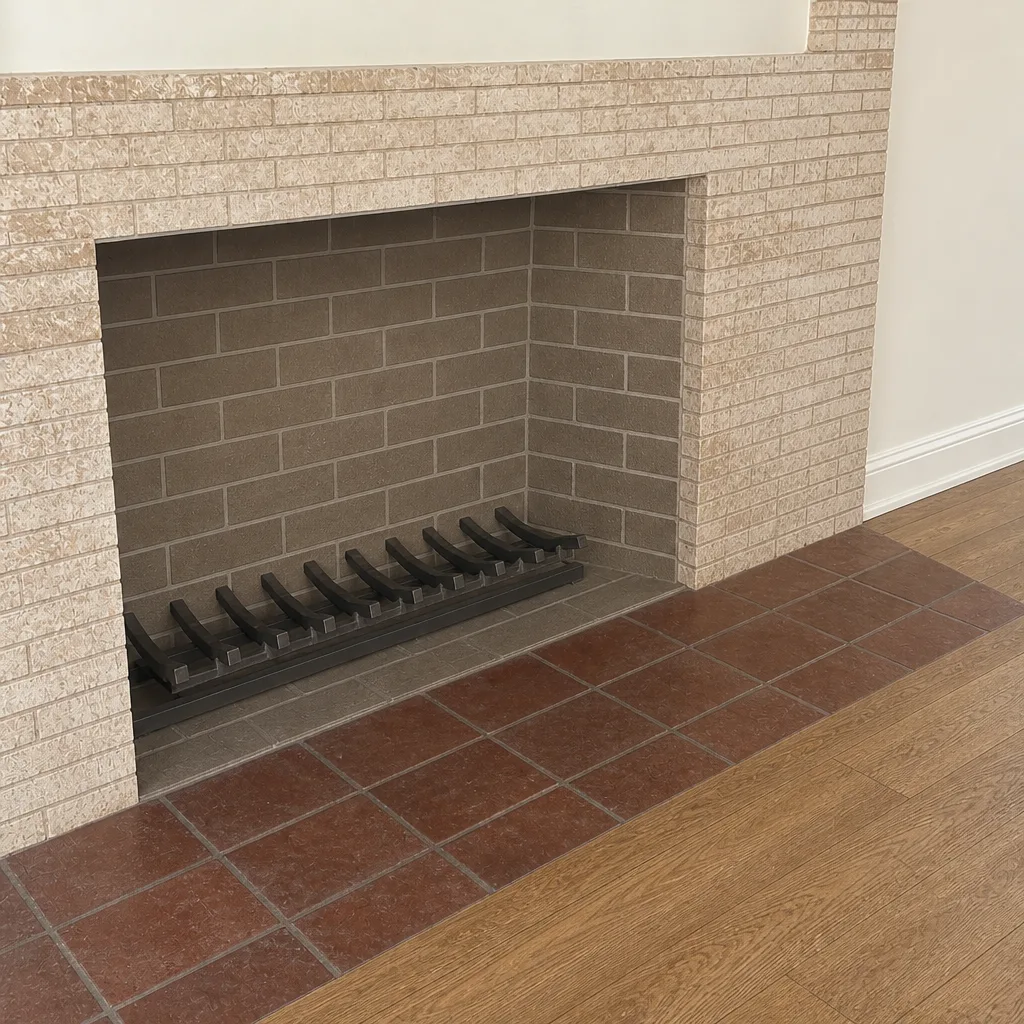
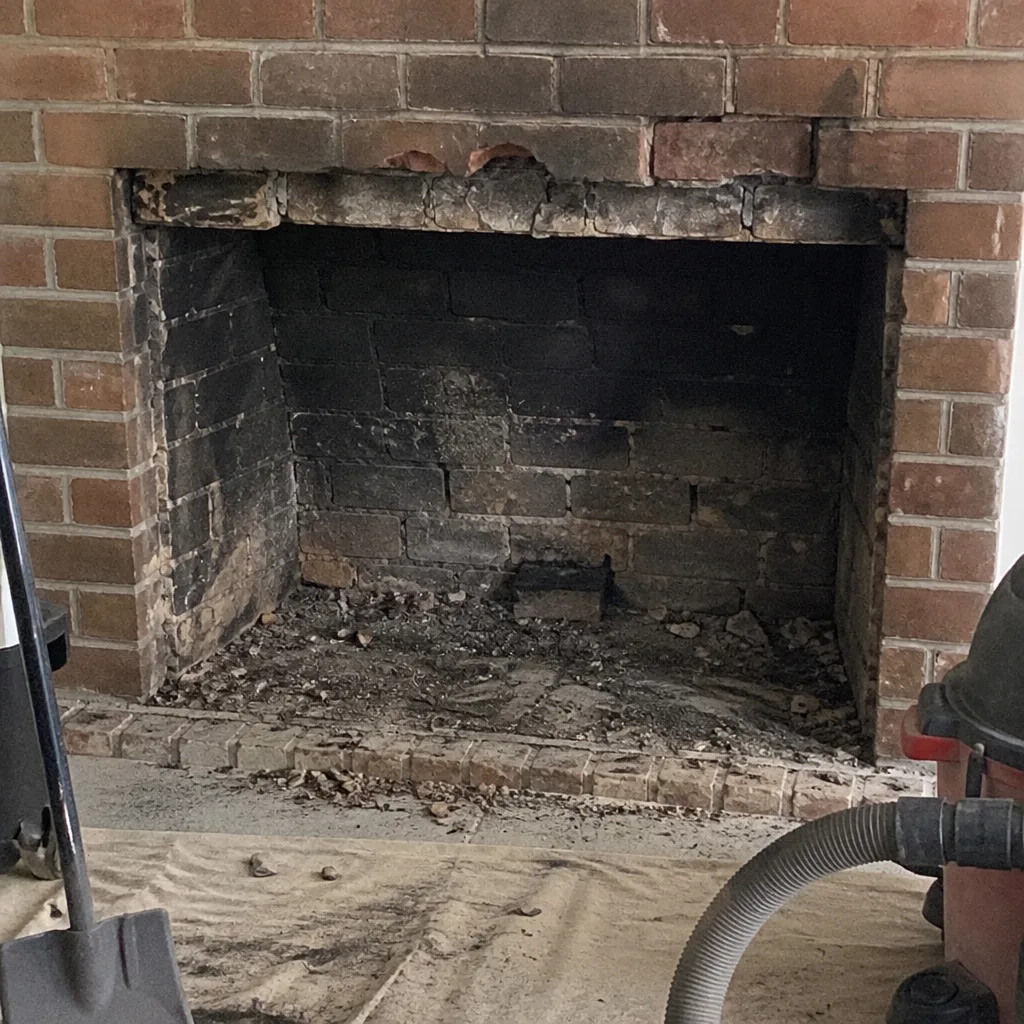
See the difference
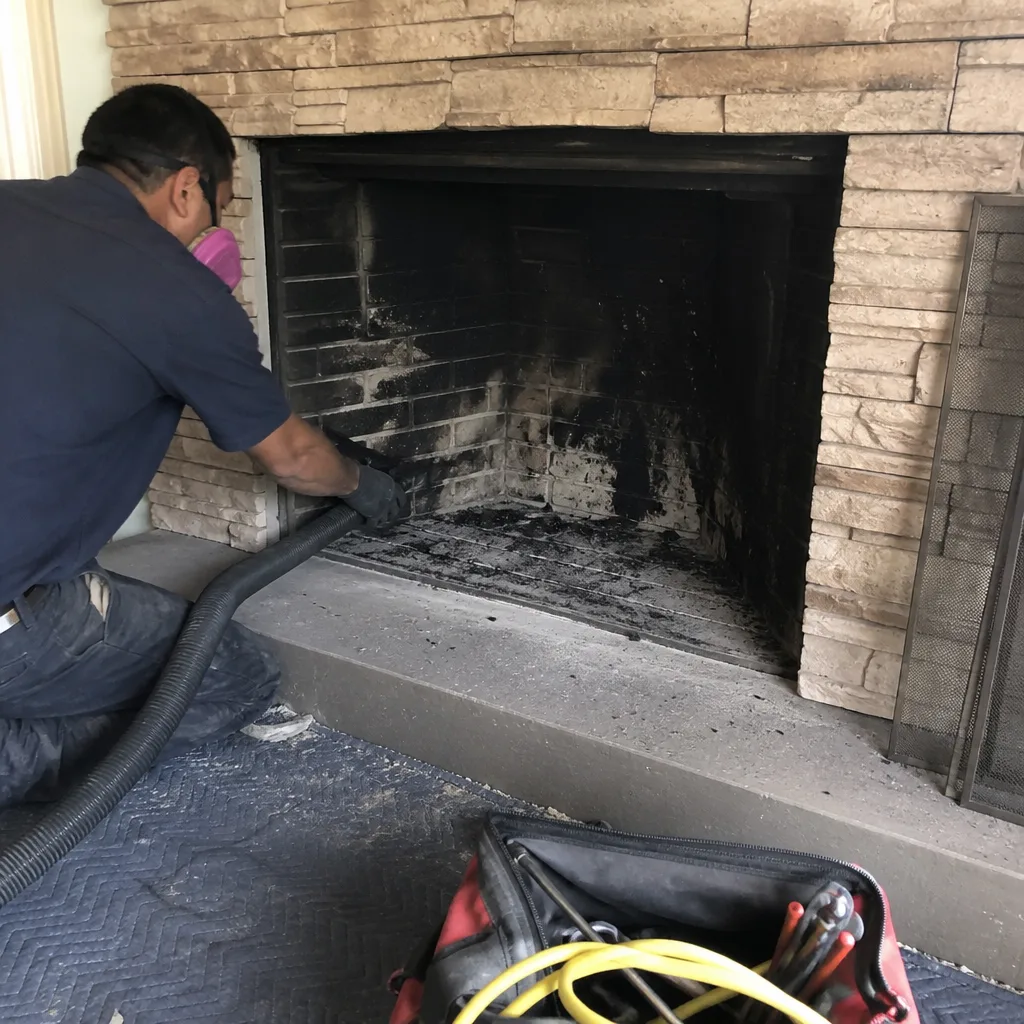 Before
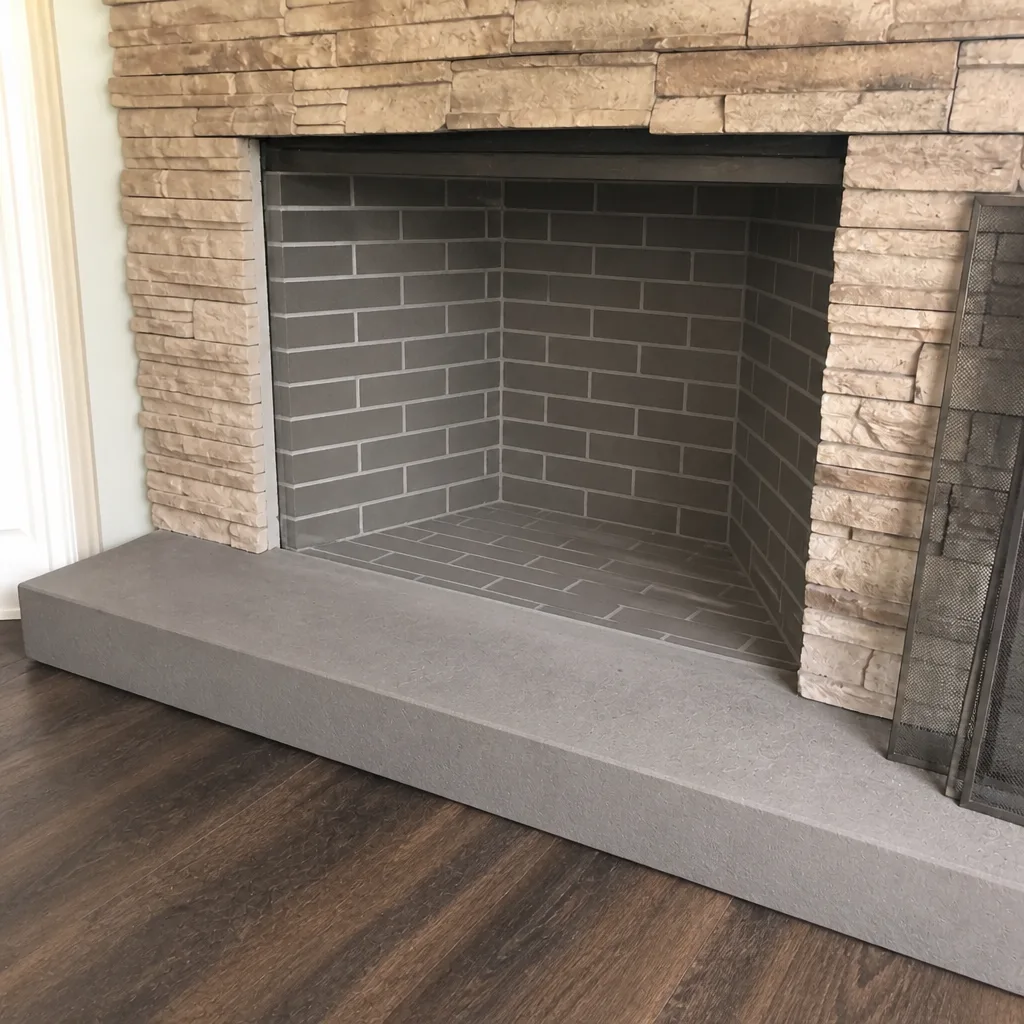 After
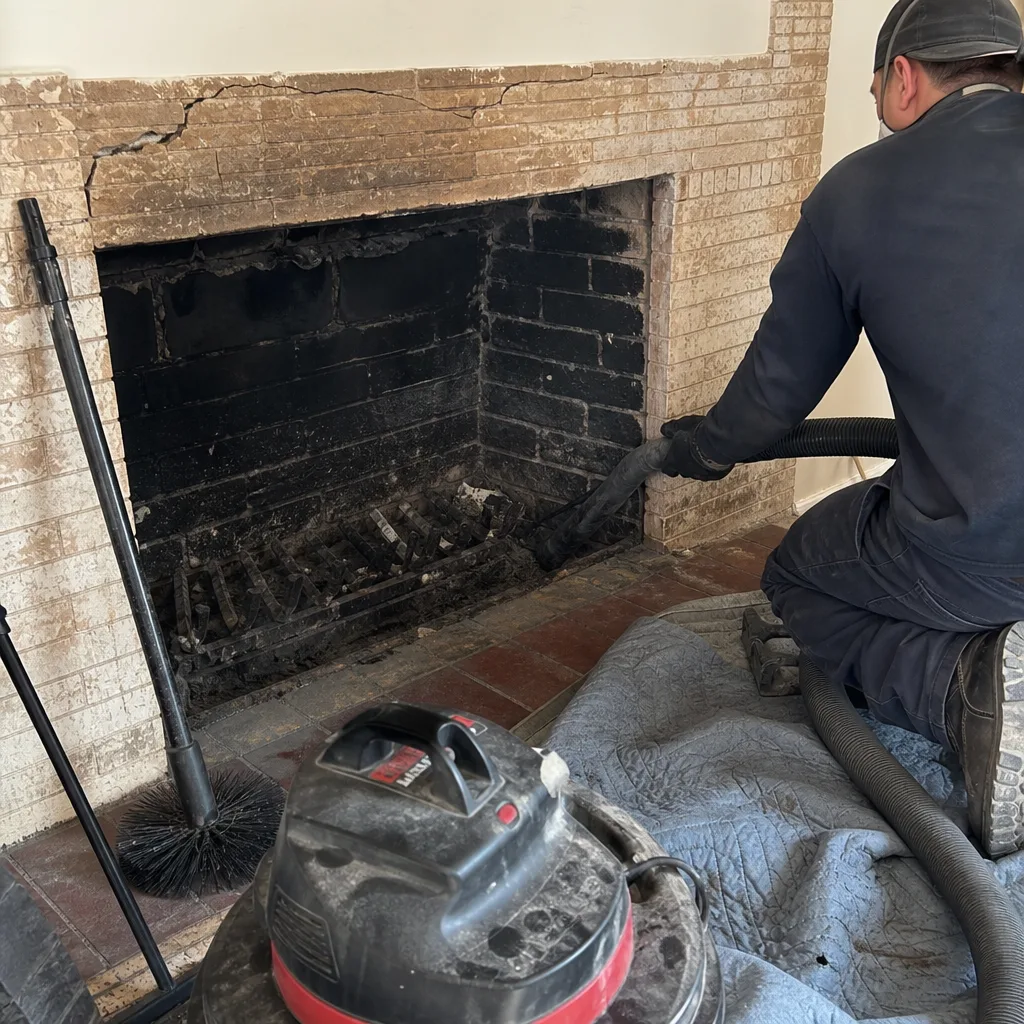 Before
 After
 Before
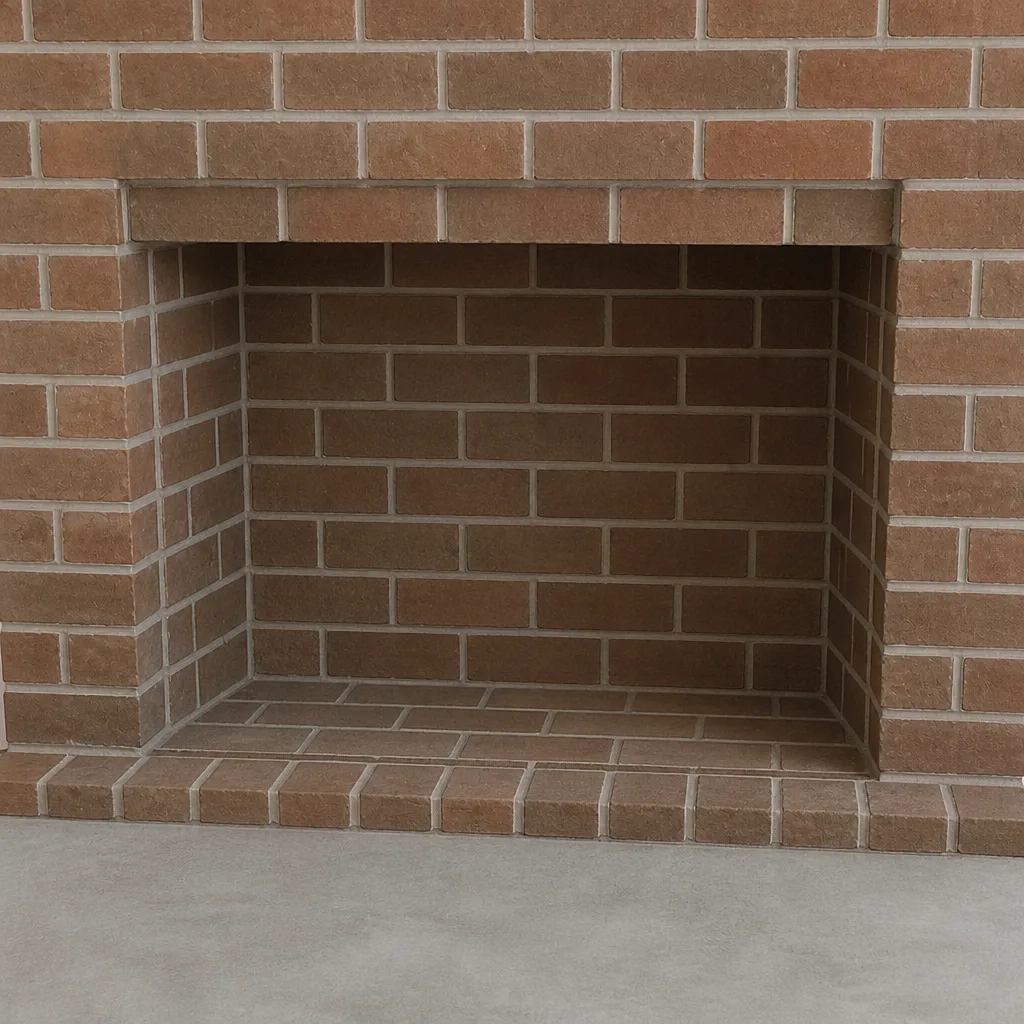 After