
Last updated November 5, 2026
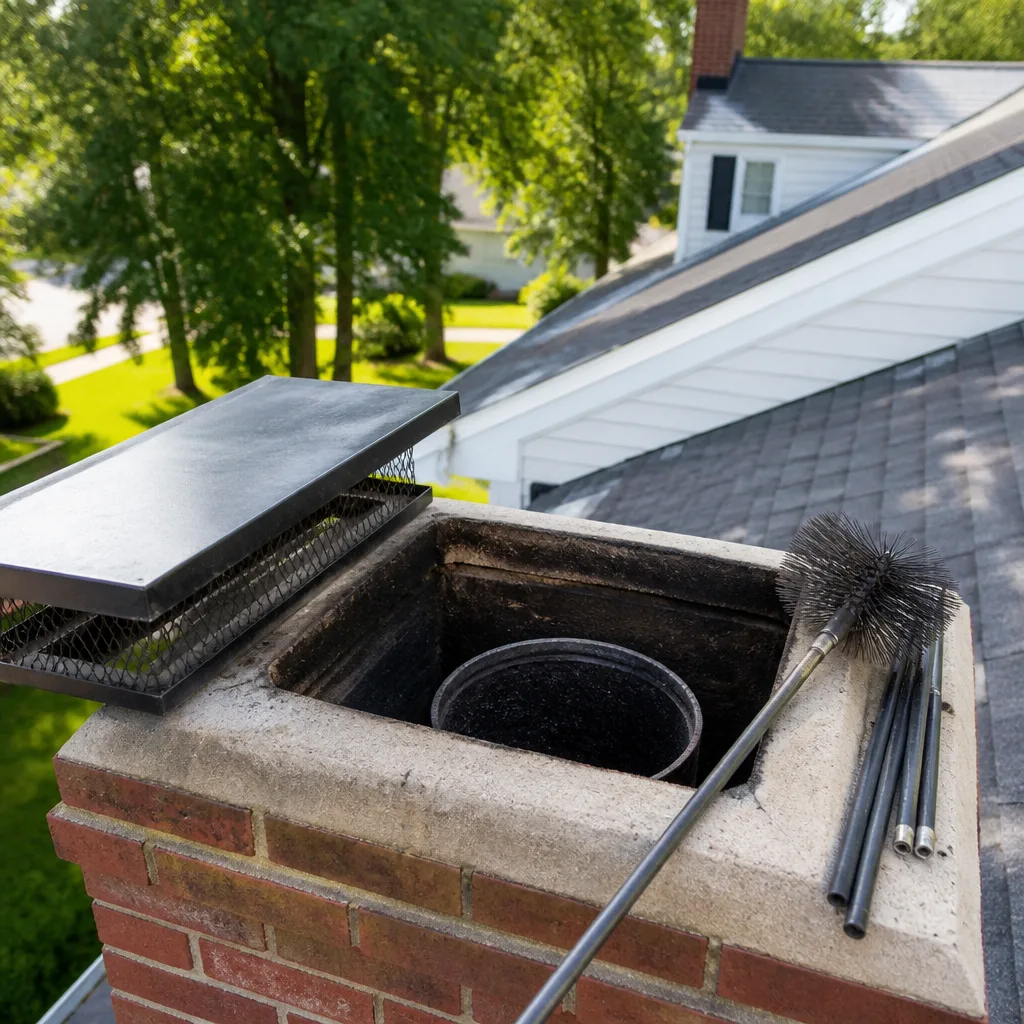 Sweep & inspection
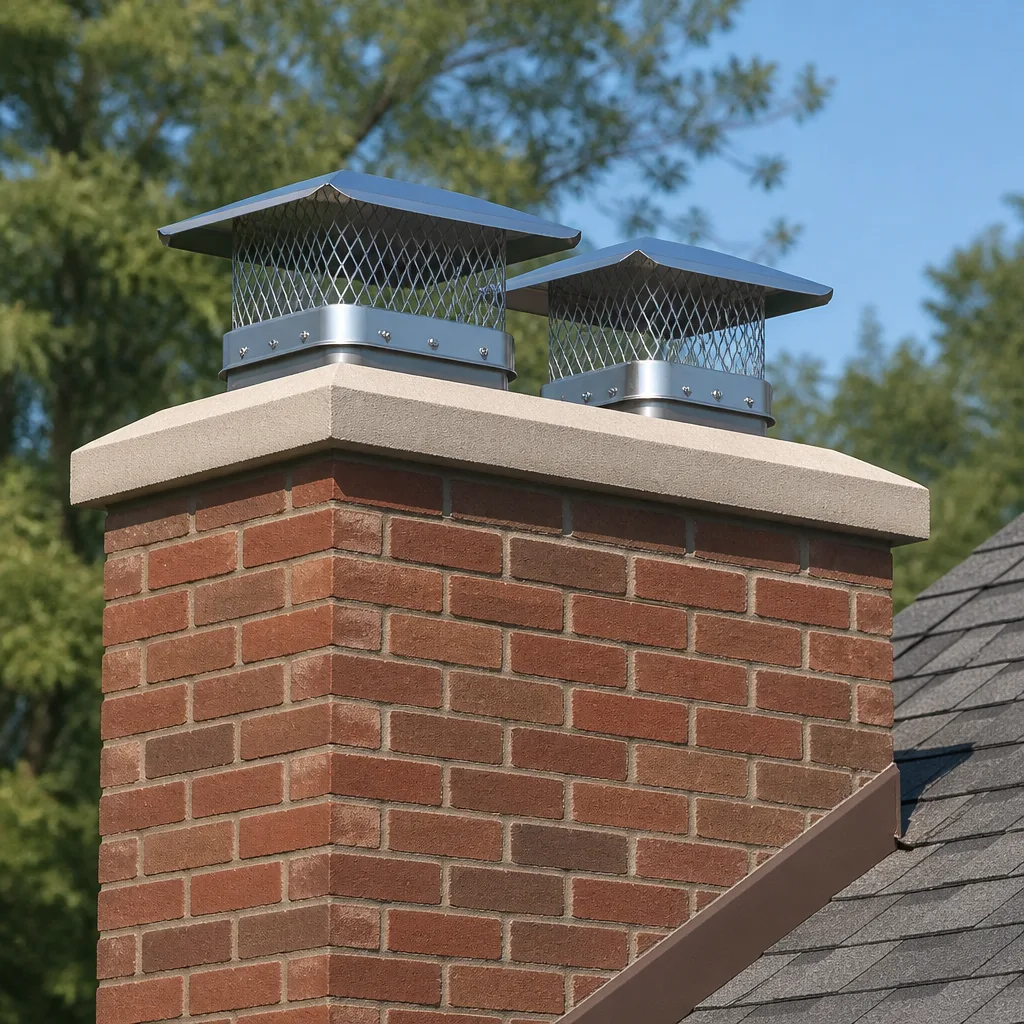 Caps & crowns
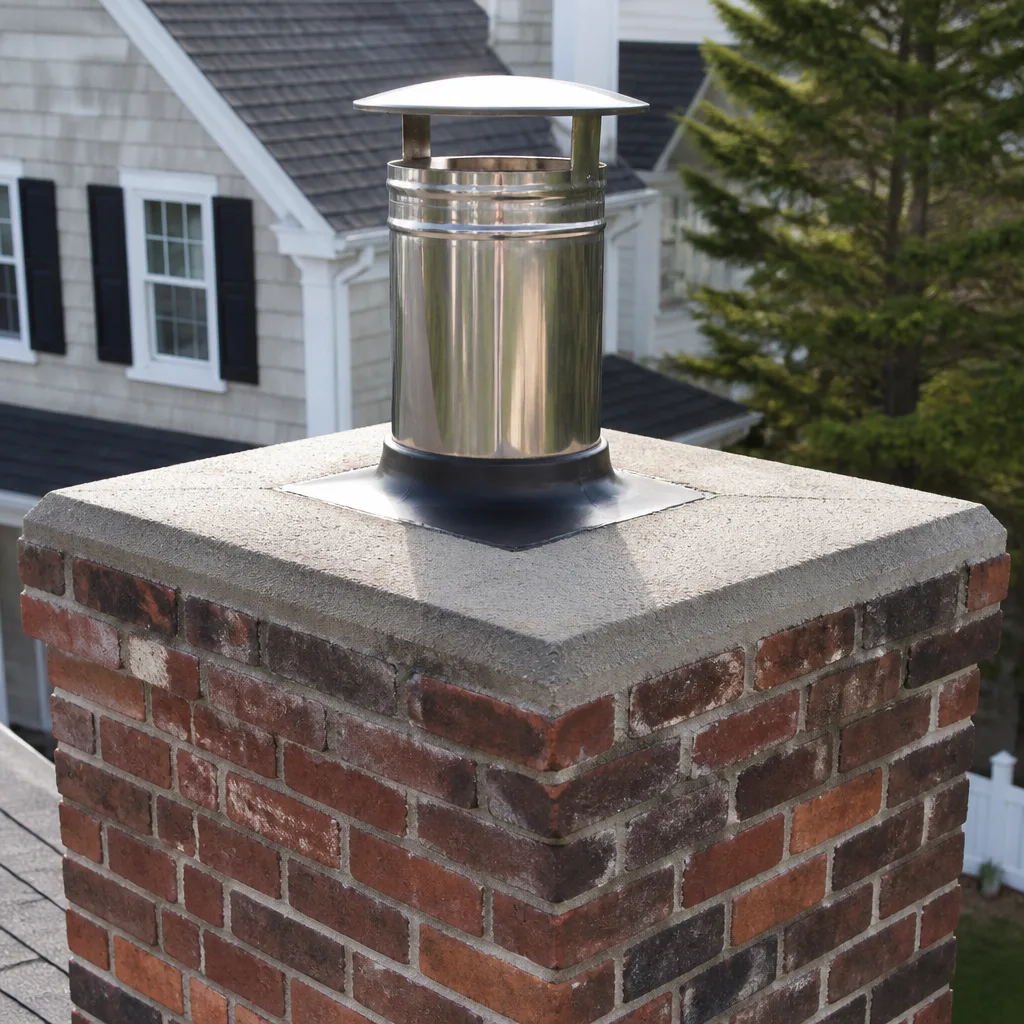 Flue relining
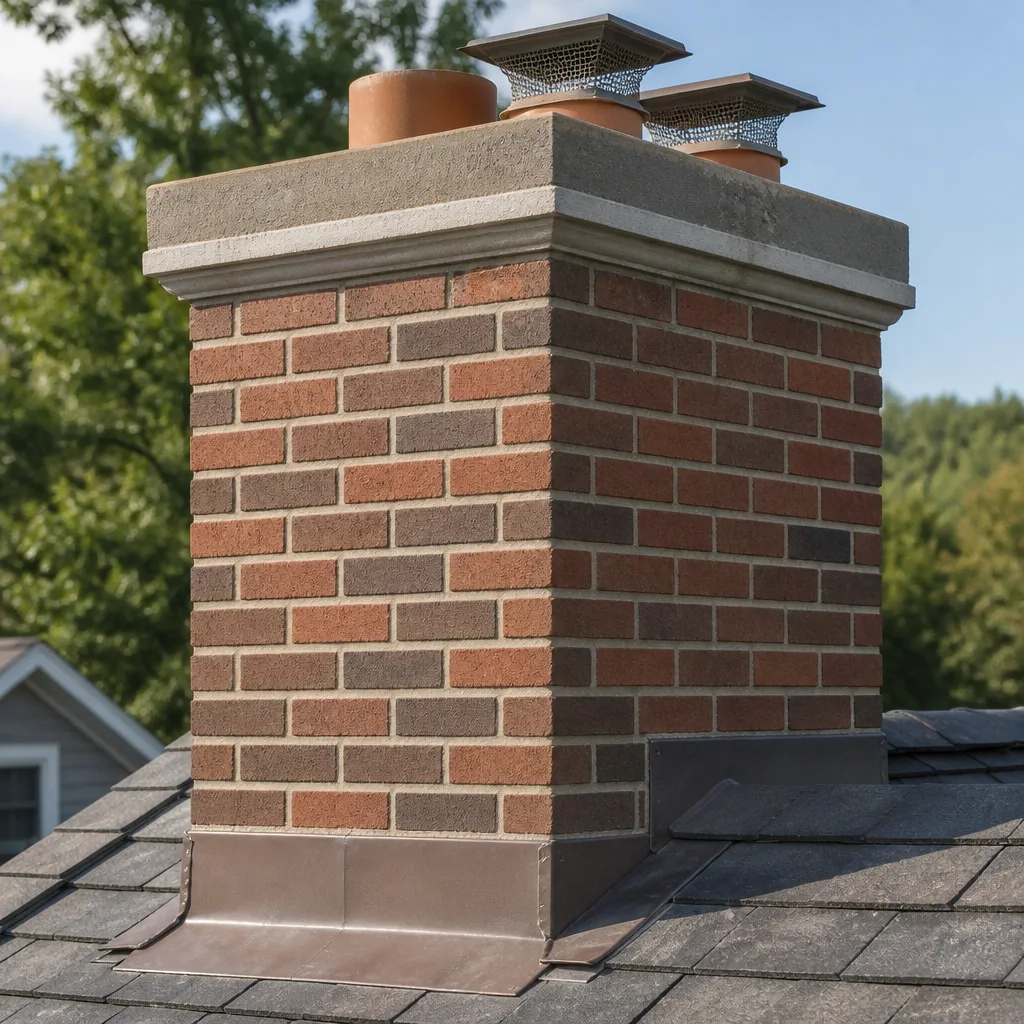 Masonry repair
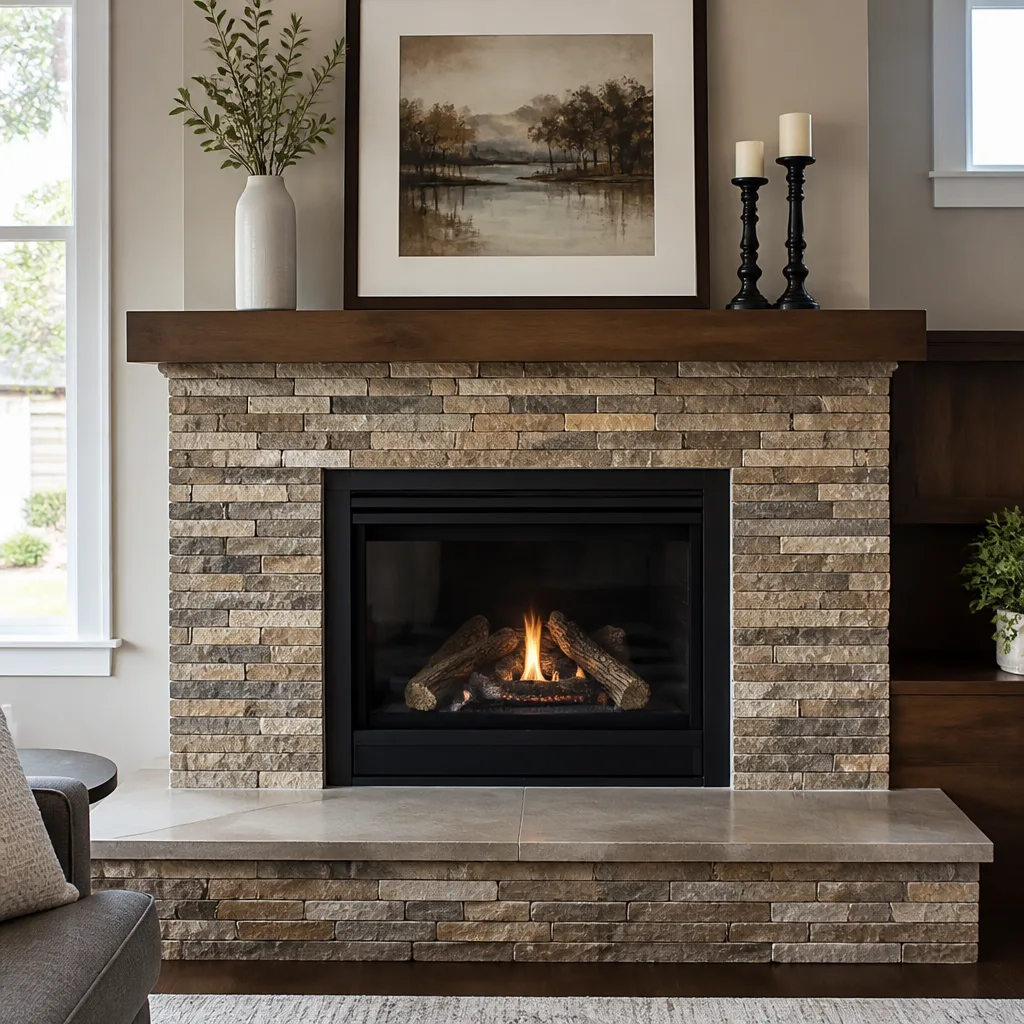 Gas fireplace service
Level 1 sweep and inspection to the NFPA 211 annual standard - flue, crown, cap, and flashing checked and photographed
Chimney sweep logs do not sweep chimneys. They loosen some creosote - which then falls where a brush and vacuum still have to collect it.
Seasonal Chimney Cleaning Care for Mission Valley: Year-Round Homeowner’s Guide
Most chimney advice you’ll read was written for places with real winters. It assumes snow on the roof, a long stretch of sub-freezing nights, and a predictable window when the fireplace gets used. Mission Valley doesn’t work that way. Our burn season is short, irregular, and compressed between warm spells that can push into October and cold snaps that arrive without much warning. The result is that conventional “sweep before winter” timing actually leaves Mission Valley homeowners behind. Instead of following a calendar built for Minneapolis, you need a rhythm built around marine layer moisture, Santa Ana winds, and the specific way chimneys behave when they sit idle through a long, mild off-season.
This guide explains that rhythm. You’ll learn when Mission Valley chimneys actually need attention, what the long summer non-use period does to a flue, why a post-season sweep matters as much as a pre-season one, and which warning signs justify an off-cycle visit. We wrote this from the perspective of a Chimney Sweep Mission Valley specialist who works on these systems every day, in this climate, year after year.
Styles & brands we work with
- Sweep & inspection
- Caps & crowns
- Flue relining
- Masonry repair
- Gas fireplace service
Quick Answer
Chimney cleaning in Mission Valley should follow a twice-per-year rhythm: once in late spring after burn season ends, and once in late summer or early fall before Santa Ana winds arrive and nights turn cold enough for fires. The spring sweep addresses condensation and creosote left by infrequent, low-temperature fires, while the fall sweep clears nesting material and moisture damage that accumulate during the long non-use summer. Waiting until November puts you behind the local burn season, which can realistically begin in late October.
Table of Contents
- Why Standard Chimney Timing Advice Fails in Mission Valley
- What the Mission Valley Burn Season Actually Looks Like
- How Summer Non-Use Affects Your Chimney Differently Here
- Why a Post-Season Spring Cleaning Matters More Than You Think
- Moisture, Caps, and Crowns: Protecting the System During the Off-Season
- Off-Cycle Warning Signs: When to Skip the Calendar and Call Now
- Common Mistakes to Avoid
- When to Call a Professional
- Frequently Asked Questions
- The Bottom Line
Why Standard Chimney Timing Advice Fails in Mission Valley
The standard national advice goes like this: schedule your chimney sweep in early fall, before the first fire of the season. That assumes a long winter stretch where the fireplace gets used consistently from November through March. In Mission Valley, the fireplace might get used a dozen times between late October and early February, then sit untouched for seven months. Many homeowners light their first fire in mid-November, burn sporadically through the holidays, skip January entirely when the weather turns mild, and then fire it up on a random cold February evening. That usage pattern creates a very different creosote profile than a Minnesota chimney that burns daily for five months.
What we see in Mission Valley is that the traditional single pre-season sweep often misses problems that developed during summer. Birds nest in flues from March through August. Moisture from morning marine layer fog works its way into hairline cracks and mortar joints. Debris settles and hardens. By the time a November sweep happens, some of that material has already been through a partial heating cycle, making it harder to remove and more concentrated in the spots where it matters most.
The better model for Mission Valley is a two-visit rhythm: a post-season cleaning in late spring and a pre-season inspection and sweep in late August or September, before the Santa Ana pattern starts and before the first cold snap arrives. You’re not sweeping twice because the chimney gets twice as dirty as elsewhere. You’re sweeping twice because the local climate creates two distinct contamination periods, each requiring its own attention.
What the Mission Valley Burn Season Actually Looks Like
Mission Valley sits inland enough to escape the strongest marine influence that keeps coastal San Diego cool, but close enough to the coast that the ocean still shapes the weather. Mornings often start with low clouds and damp air, especially from May through July when the marine layer is thickest. Afternoons clear and warm. In late summer and fall, high pressure systems push temperatures up, and Santa Ana winds arrive from the east, bringing hot, dry air that can drive temperatures into the 90s as late as October.
For chimney owners, this creates a burn season that doesn’t behave like a season at all. It’s episodic. A cold evening in late October might prompt the first fire. Thanksgiving week might bring several nights of burning. December and early January are the most consistent window, when overnight lows finally dip low enough to justify a fire. By February, many Mission Valley homeowners stop burning entirely, and by March the fireplace is dormant again.
Here’s what that means practically:
- Late August through September: The realistic pre-season window. Santa Ana winds haven’t peaked, but they’re approaching. A sweep now catches summer nesting and moisture damage before it gets baked in by the first fire.
- October: The transition month. Santa Ana conditions can keep daytime highs in the 80s and 90s, but nights start to drop. The first fires of the season happen here, often with a flue that hasn’t been inspected since spring.
- November through mid-January: Peak burn window. Fireplaces get used most frequently, though inconsistently. This is when creosote accumulates fastest, because fires are often small and low-temperature, producing more smoke and less complete combustion.
- February through March: The taper-off. Usage drops, then stops. The chimney sits with whatever residue remains from the burn season, exposed to the most consistently damp period of the year as the marine layer returns in force.
- April through August: Full non-use. The longest stretch. This is when birds nest, critters explore, and moisture does its slow work on masonry and metal components.
The takeaway: in Mission Valley, pre-season means September, not November. If you wait for the weather to turn cold, you’re already behind the burn season and you’re scheduling a sweep during the exact window when everyone else is realizing they need one.
How Summer Non-Use Affects Your Chimney Differently Here
In colder climates, summer is the safe season. The chimney isn’t used, but the air is relatively dry and the main concern is rain. In Mission Valley, summer presents its own set of problems, and they’re specific to how our microclimate works.
The marine layer is the biggest factor. From late spring through early summer, morning fog and low clouds roll through Mission Valley on a regular basis. The air is damp, often at 70% or higher humidity before the sun burns it off. That moisture doesn’t just sit on the surface of your chimney cap and crown. It works into porous masonry, settles inside the flue, and collects on creosote deposits left from the previous burn season. Creosote is hygroscopic, meaning it absorbs moisture from the air. When it gets damp and then dries out, it changes in texture and density. The result, after a full summer of repeated damp-dry cycles, is a creosote layer that’s crustier, more stubborn, and more concentrated than what you’d find in a drier inland climate like El Cajon or Santee.
Nesting activity is also high. The mild climate means birds are active year-round, but spring and summer are peak nesting months. Chimneys without proper caps are prime real estate. We regularly find nests, feathers, and droppings in flues that were clean when the previous burn season ended. A chimney that sits untouched from March through September is an open invitation.
There’s also the simple fact of disuse. A chimney that never gets hot stays damp. The draft that happens when you burn a fire pulls moisture out of the flue and the surrounding masonry. Without fires, that moisture lingers. Over a long stretch, it accelerates the deterioration of mortar joints and can cause rust on metal components like dampers and smoke shelves. Summer in Mission Valley isn’t a rest period for the chimney. It’s a slow, quiet deterioration period that the fall sweep has to correct.
Why a Post-Season Spring Cleaning Matters More Than You Think
Most Mission Valley homeowners have never had their chimney swept in spring. The conventional wisdom says you sweep before the burning season, and after it ends you just stop using the fireplace and forget about it until fall. That approach misses a real problem: what happens to the creosote that’s left behind when the last fire goes out.
Here’s the sequence. You burn a mix of small, low-temperature fires from November through January. Those fires produce creosote, but because the fires are short and the flue never gets fully hot, the creosote tends to be the soft, flaky kind that contains more unburned particles and moisture. Then the fireplace goes cold in February or March. The marine layer returns in May and June. Morning fog pushes damp air into the flue for weeks at a time. That damp creosote sits there, absorbing moisture, through the entire summer.
By the time September arrives, the creosote has changed. It’s denser, harder, and more acidic. The acids in creosote attack metal flue liners and mortar joints, which is why chimneys that go uncleaned through a humid summer often show accelerated liner deterioration. The flue also smells. Many Mission Valley homeowners notice a campfire odor in the house during summer, especially on humid mornings, and that smell is the damp creosote off-gassing.
A spring sweep removes that creosote while it’s still relatively fresh and soft. It also gives the chimney a full round of warm, dry air before the summer humidity sets in. The flue starts the off-season clean, which means the marine layer has nothing damp and acidic to work on. And when fall arrives, the pre-season visit becomes a shorter, simpler inspection rather than a deep-cleaning job that has to undo months of accumulated problems.
Moisture, Caps, and Crowns: Protecting the System During the Off-Season
The longest stretch of the year for a Mission Valley chimney is the non-use period, and the biggest threats during that period are water and wildlife. Both are controllable with the right components, and the timing of when you check those components matters as much as the components themselves.
The chimney cap is your first line of defense against both problems. A properly fitted cap has two jobs: keep rain and fog from falling directly into the flue, and keep birds and animals from entering. Most Mission Valley homes have a cap, but cap condition varies widely. We inspect caps on every visit because a damaged or missing cap turns the entire off-season into an open-door period. We install Gelco caps, which are built for the specific wet-dry cycling our climate produces. The cap needs to be checked before the nesting season ramps up in March and again before the first fall rains.
The chimney crown, which is the concrete or masonry surface that seals the top of the chimney structure around the flue, is the other critical component. Crowns crack over time, and here’s where Mission Valley’s temperature swings work against you. A crown that heats to 90 degrees during an October Santa Ana day and then drops to 50 degrees overnight goes through thermal expansion and contraction. Over enough cycles, small cracks appear. Those cracks let moisture into the chimney structure, where it degrades mortar from the inside. A crown that’s showing visible cracks or spalling should be sealed before the rainy season, not after.
The damper also plays an off-season role. A damper that seals poorly lets damp exterior air circulate through the flue all summer, feeding the moisture problem. A damper that seals too well, ironically, can trap interior air that’s already damp and let it condense on flue walls. The damper should close snugly and be checked as part of the spring visit, because a poor damper seal combined with Mission Valley’s humid mornings is a recipe for flue corrosion.
Off-Cycle Warning Signs: When to Skip the Calendar and Call Now
The twice-per-year rhythm works well for most Mission Valley homes, but there are conditions that justify an off-cycle visit. Waiting for the next scheduled appointment when any of these signs appear is a mistake, because these indicators usually mean something has changed inside the flue or the surrounding system.
- Visible debris inside the firebox. If you open the damper and see twigs, grass, feathers, or what looks like small pieces of masonry, something has entered the flue or part of it is deteriorating. Either way, don’t burn until it’s been inspected.
- A persistent campfire smell during summer. That odor is damp creosote off-gassing, and it means the flue is holding moisture and residue. Without cleaning, the smell will intensify, and the acid in the creosote will keep working on the liner.
- White or brown staining on the chimney exterior. Efflorescence, the white chalky residue, or brown rust-colored streaks suggest water is moving through the masonry. That’s a crown or cap issue, and it gets worse every time it rains.
- Smoke entering the house during normal operation. A backdraft, where smoke spills into the room instead of going up the flue, can be caused by a blocked flue, poor chimney height relative to the roof, or Santa Ana wind conditions. Santa Ana winds create negative pressure in the house, and if the flue is partially blocked, those winds can push smoke back down. This is a safety issue that should be checked before the next burn.
- Flakes of material falling into the firebox. This usually means deteriorating flue liner or deteriorated mortar joints higher in the chimney. The source of the flakes determines whether it’s a simple repair or a liner restoration project.
- Any animal sounds from the chimney. Scratching, chirping, or flapping almost always mean an active nest. Birds, squirrels, and even larger animals can get into an uncapped or poorly capped flue. Removing the animal and the nest properly is specialized work.
Don’t assume any of these wait for the next seasonal visit. A blocked flue is a carbon monoxide risk the moment you light a fire, and a cracked crown is literally letting water into the structure every time it drizzles.
Common Mistakes to Avoid
- Sweeping only in November. This is the single most common pattern we see, and it’s the exact wrong timing for Mission Valley. The chimney has sat through eight months of moisture and nesting by then, and the first fires are already happening before the sweep is scheduled.
- Skipping the spring sweep because “we barely used it.” Infrequent, low-temperature fires produce more creosote per burn than hot, consistent fires. Light use doesn’t mean the chimney is clean; it means the residue is different and needs different attention.
- Assuming the chimney cap from ten years ago is still fine. Caps rust, warps, and damage from wind and animals are all year-round threats here because the climate never gets cold enough to pause corrosion. Check it every spring.
- Conflating mild weather with low risk. A chimney that hasn’t been inspected in two years is a risk whether you burn one fire a season or fifty. The accumulation is in the flue, not in the season’s workload.
- Ignoring the off-season smell. That summer campfire odor is not harmless. It’s acidic vapor from damp creosote, and it’s actively degrading the liner. Treat it as a maintenance signal, not an annoyance.
- Burning during Santa Ana winds without a proper cap and flue check. Santa Ana conditions lower indoor air pressure and can backdraft a marginal flue. If you haven’t verified the flue is clear and the cap is intact, a Santa Ana burn is riskier than a typical evening fire.
When to Call a Professional
Some chimney conditions are visible and obvious; many are not. You can see a bird fly into the flue, but you can’t see the creosote layer building inside a liner, the hairline crack in a crown, or the partial blockage in the smoke chamber. Those require a video inspection and a trained eye. If you haven’t had the chimney swept in over a year, if you notice any of the warning signs above, or if you bought the home and don’t know the chimney’s history, a professional inspection is the right next step. Dryer vent cleaning runs on the same principle: a system that’s out of sight and attached to fire risk deserves an expert check, not a guess.
Chimney Sweep Mission Valley offers free estimates in Mission Valley. Call (877) 752-2758. We answer 24/7. Fast dispatch from 7am to 7pm, Sunday through Friday.
Frequently Asked Questions
Twice per year is the right rhythm for most Mission Valley homes: once in late spring after burn season ends, and once in late August or September before the first fires of fall. The spring visit removes post-season creosote before summer humidity sets in, and the fall visit clears nesting material, moisture damage, and any debris accumulated during the off-season. Light users who burn fewer than ten fires per season may get by with an annual inspection paired with less frequent full cleans, but the spring moisture cycle in this climate makes twice-yearly attention the safer default.
Yes, because the summer non-use period creates its own contaminants. Bird nesting, blown-in debris, and the physical changes that occur when residual creosote absorbs marine layer moisture all happen between April and September. A spring-swept chimney that goes through a Mission Valley summer without a fall inspection may look clean from the firebox but have a nest or a hardened deposit higher in the flue. The fall visit confirms the system is actually ready before the first fire, not just that it was clean seven months ago.
Chimney sweeping in Mission Valley is priced per job by written estimate, not by a flat rate, because the condition of each flue varies. Factors include the level of creosote buildup, whether nests or debris are present, chimney height and access, and whether the system needs anything beyond the sweep, like a cap replacement or crown sealing. The written estimate sets the final price before any work begins, and estimates are free. Call (877) 752-2758 for an exact quote on your chimney.
What accumulates depends on how much you burn and what the conditions are when you burn. Low-temperature, infrequent fires like most Mission Valley homeowners have produce soft, flaky creosote that holds a lot of moisture. Left in the flue through a humid summer, that creosote hardens, becomes more acidic, and works on the liner and mortar. The chimney also becomes more attractive to birds and animals. A two-year gap means the next cleaning is more involved, takes longer, and may uncover liner damage that an earlier sweep would have caught before it progressed. The consequence isn’t just a dirtier chimney; it’s a chimney that’s aging faster and burning less safely.
Yes. Chimney Sweep Mission Valley offers HeatShield liner restoration, which is a flue-repair method that can rehabilitate a damaged liner without a full relining. HeatShield uses a specialized cerfractory material applied to the inside of the existing flue, sealing cracks and restoring structural integrity. It’s a meaningful option for Mission Valley homeowners whose liners show moderate damage from years of damp creosote exposure and thermal cycling. Whether HeatShield is appropriate for a given flue depends on the liner’s condition, which is why the inspection comes first. Call (877) 752-2758 to schedule one.
We don’t recommend it. The tools sold for homeowner chimney sweeping can remove some loose soot, but they can’t inspect the flue for cracks, blockage, or liner deterioration, and they can’t remove hardened creosote that requires professional-grade rotary equipment. They also can’t tell you whether the flue is safe to burn, which is the actual point of the visit. A professional sweeping includes a video inspection and condition assessment, and it’s done with equipment that won’t damage the liner. The risk of an undetected problem, whether that’s a bird’s nest, a cracked tile, or a carbon monoxide backdraft, isn’t worth the trade.
The Bottom Line
Mission Valley’s chimney needs don’t follow the national calendar. The burn season is short and episodic, the off-season is long and damp, and the window for pre-season attention arrives in September, not November. The chimney that gets swept twice per year, spring and fall, starts each burn season clean and each off-season in protected condition. The chimney that gets swept once in November is already behind. A functioning cap, a sealed crown, and a damper that closes properly are the other pillars of off-season protection. If you’re unsure where your chimney stands, the next step is simple: Mission Valley homeowners can reach Chimney Sweep Mission Valley at (877) 752-2758 for a free estimate. We answer 24/7. Fast dispatch from 7am to 7pm, Sunday through Friday.
Written by the team at Chimney Sweep Mission Valley, serving Mission Valley since 2016.
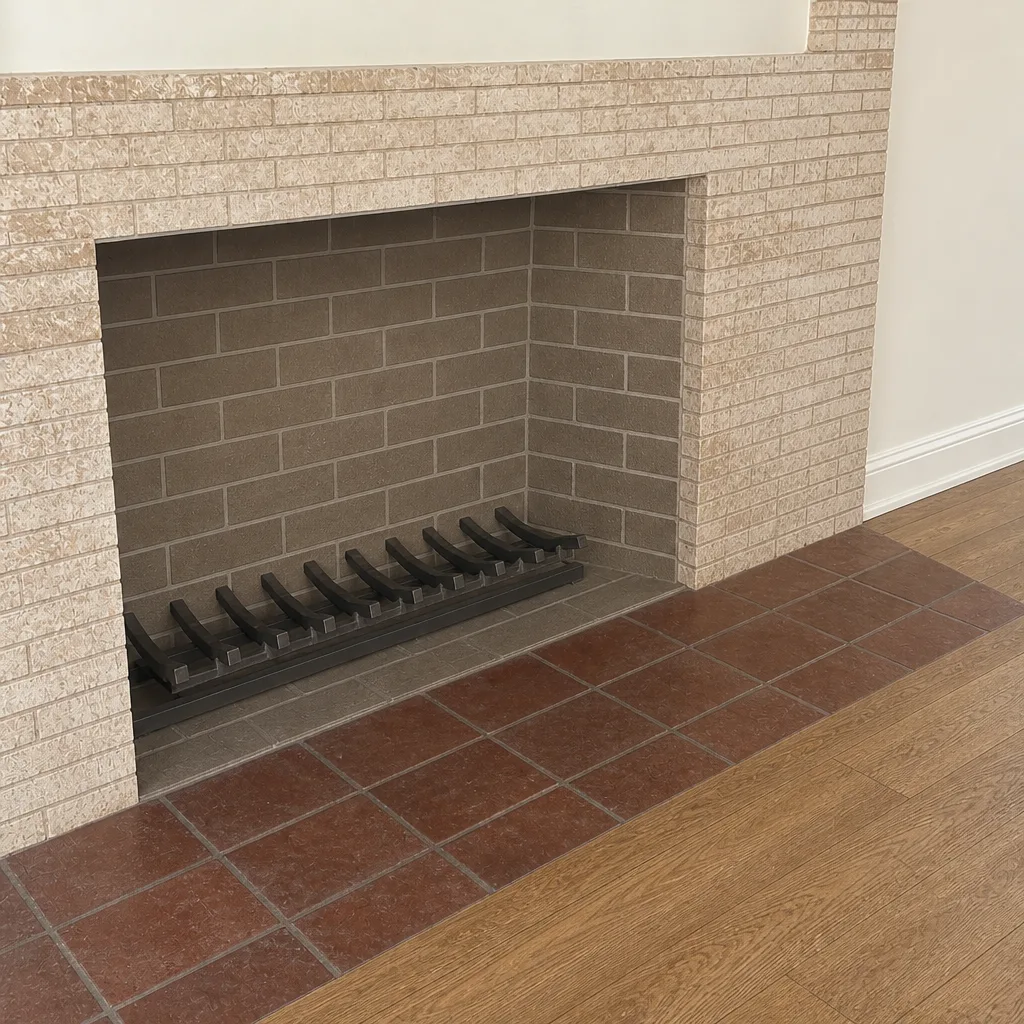
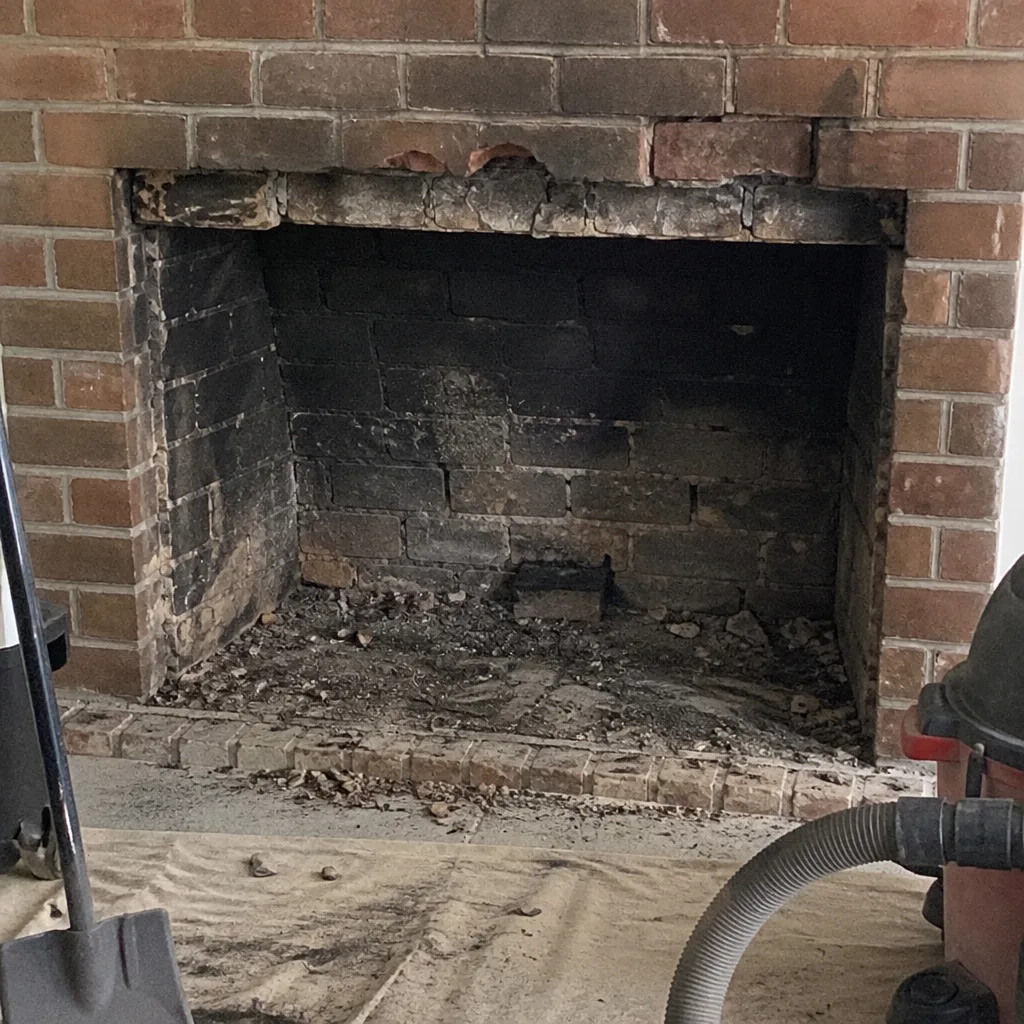
See the difference
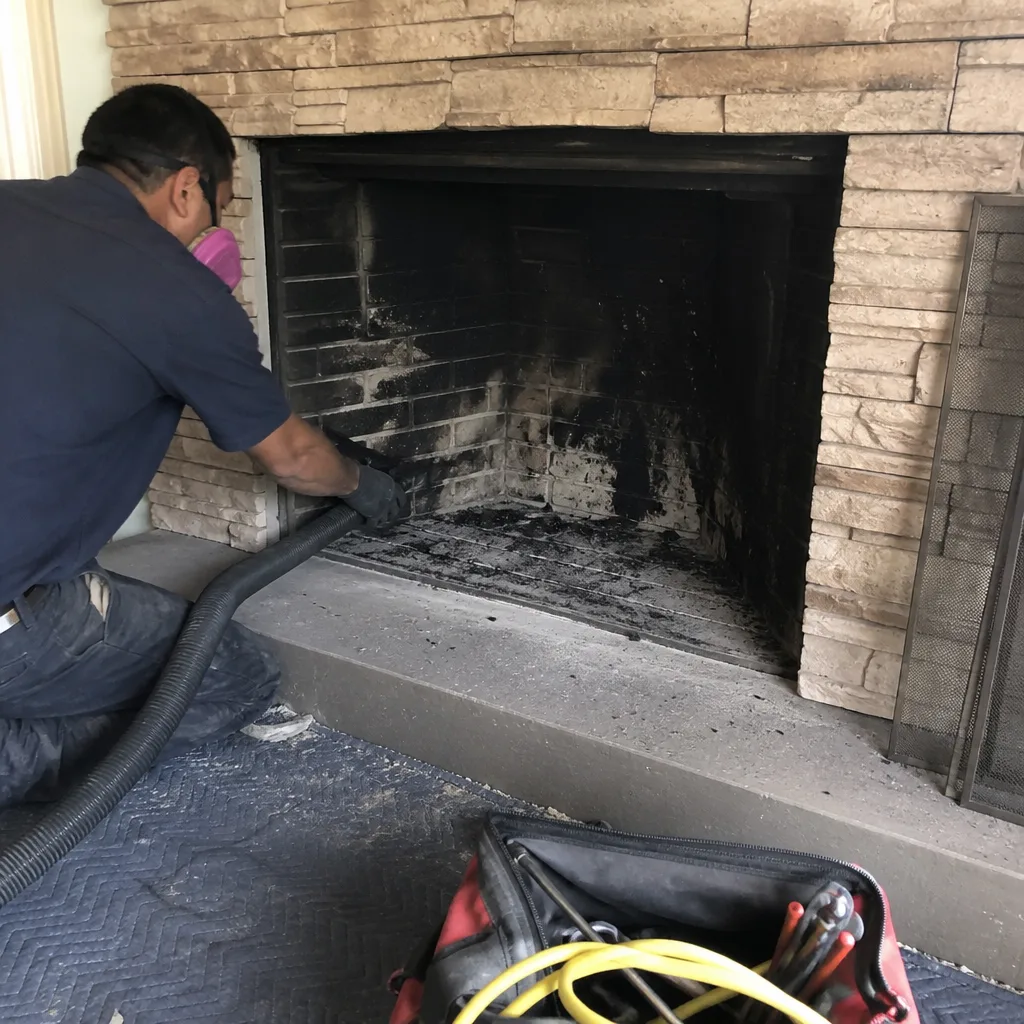 Before
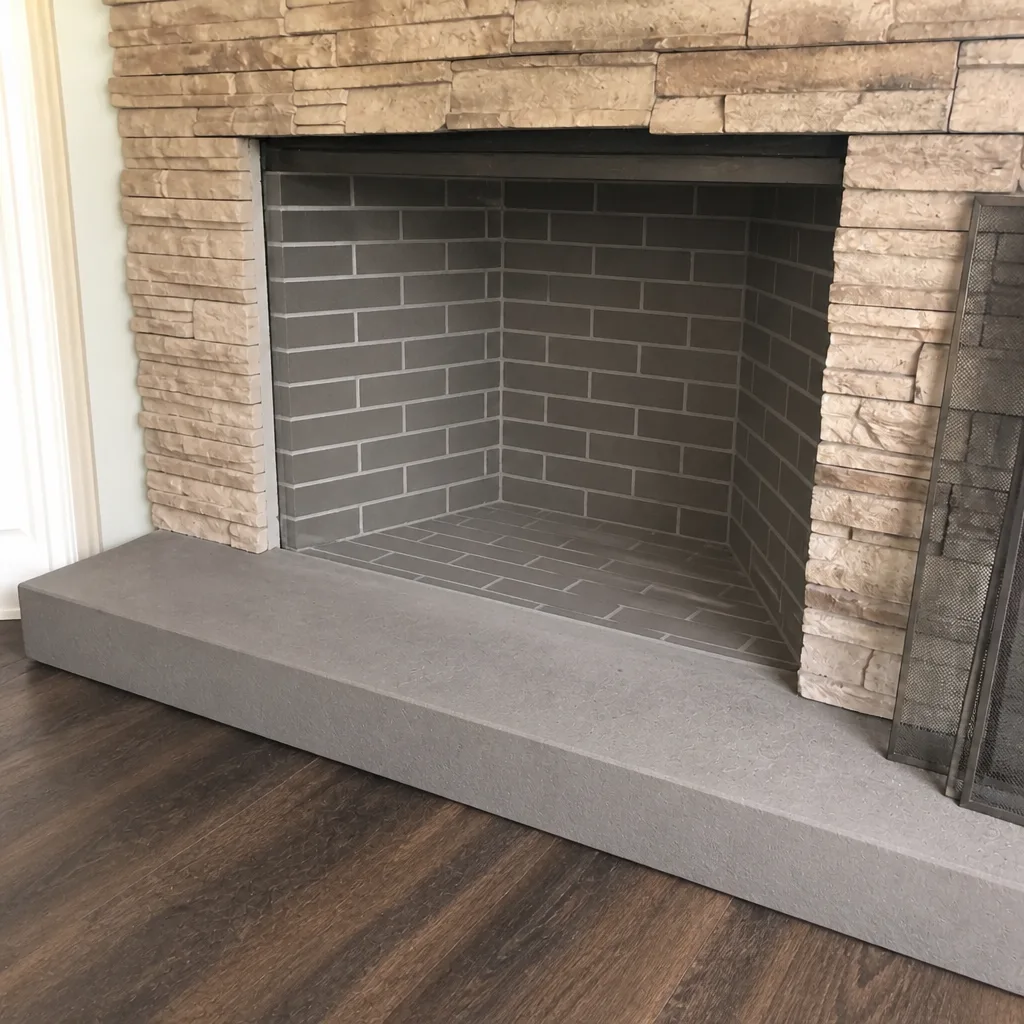 After
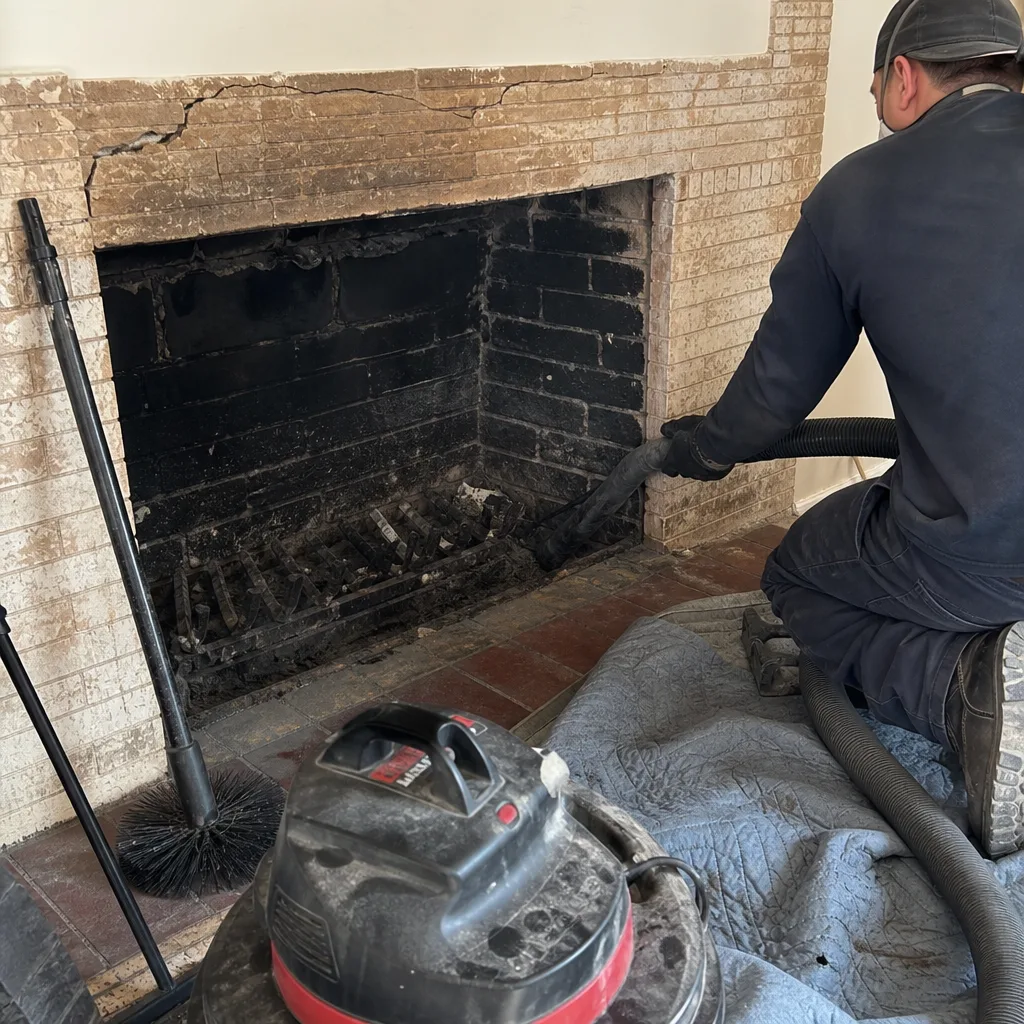 Before
 After
 Before
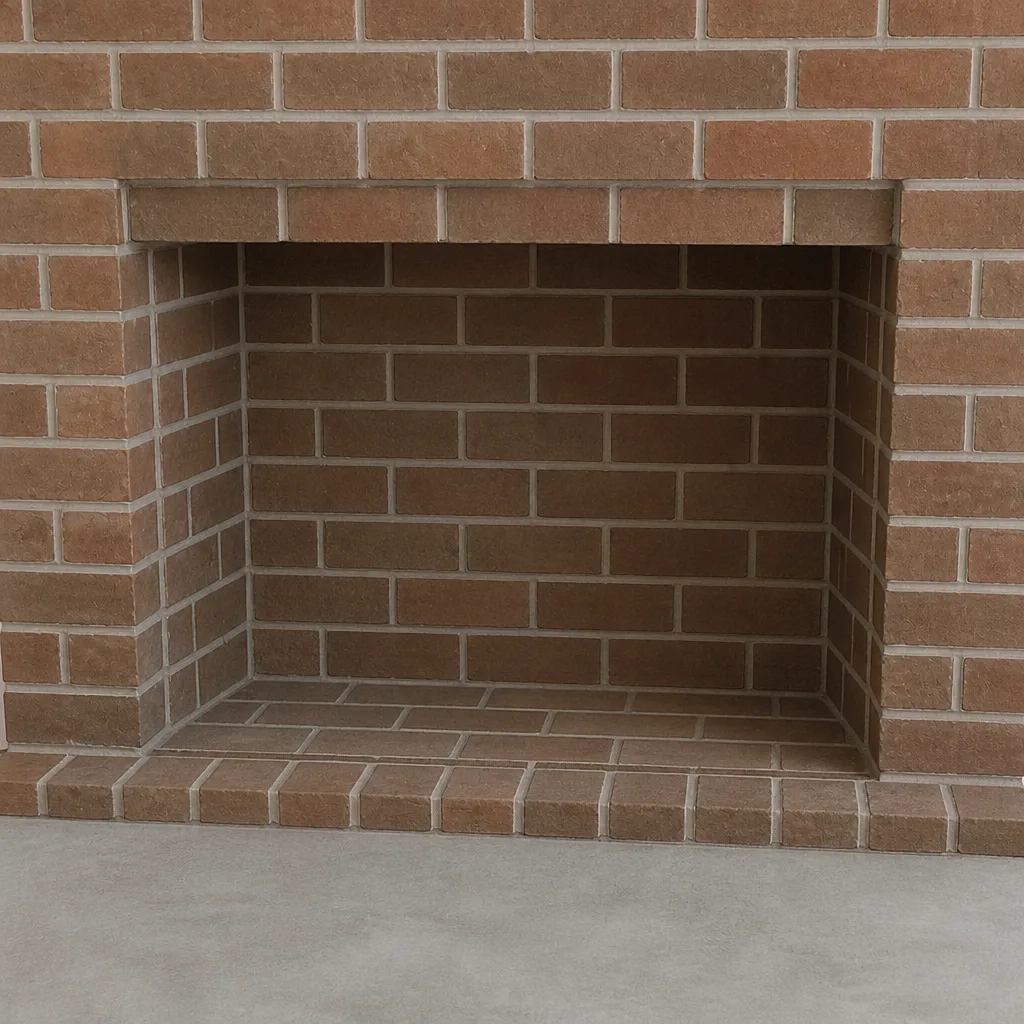 After