
Last updated November 5, 2026
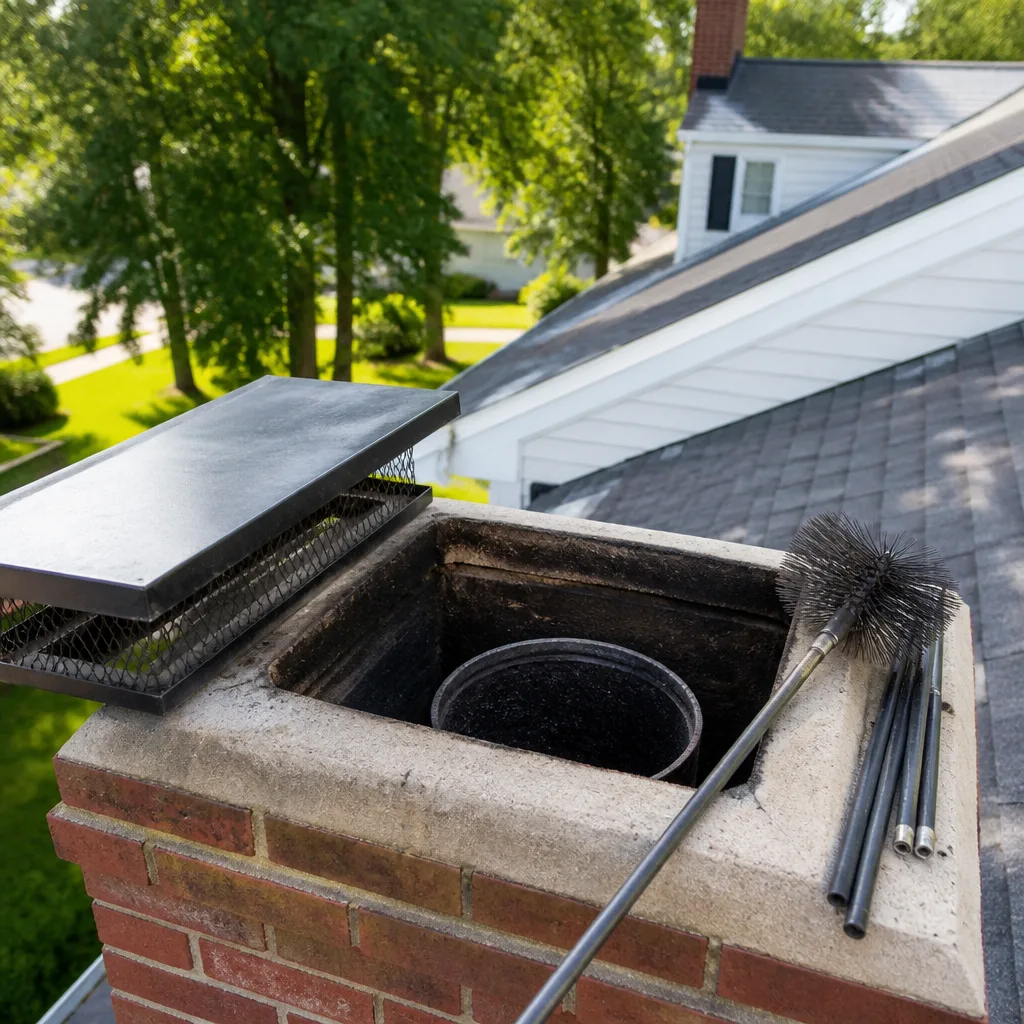 Sweep & inspection
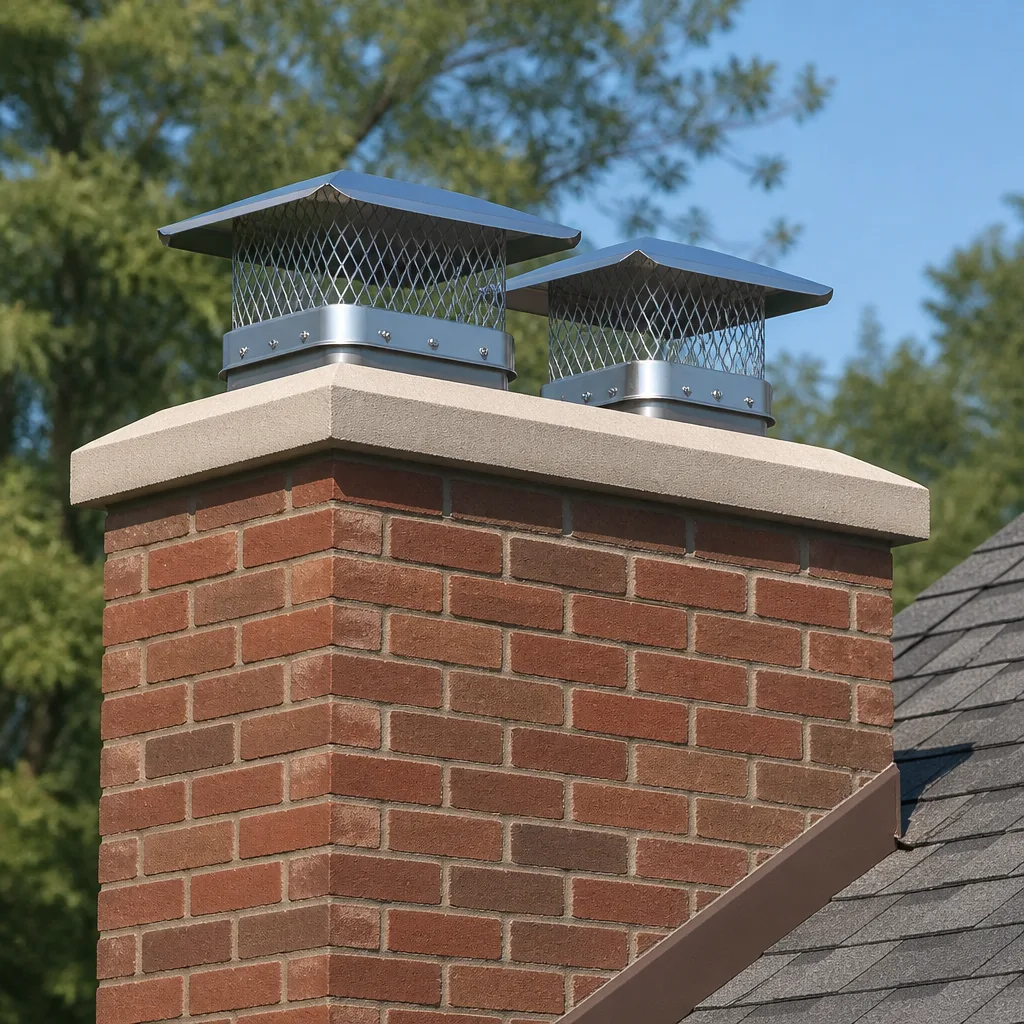 Caps & crowns
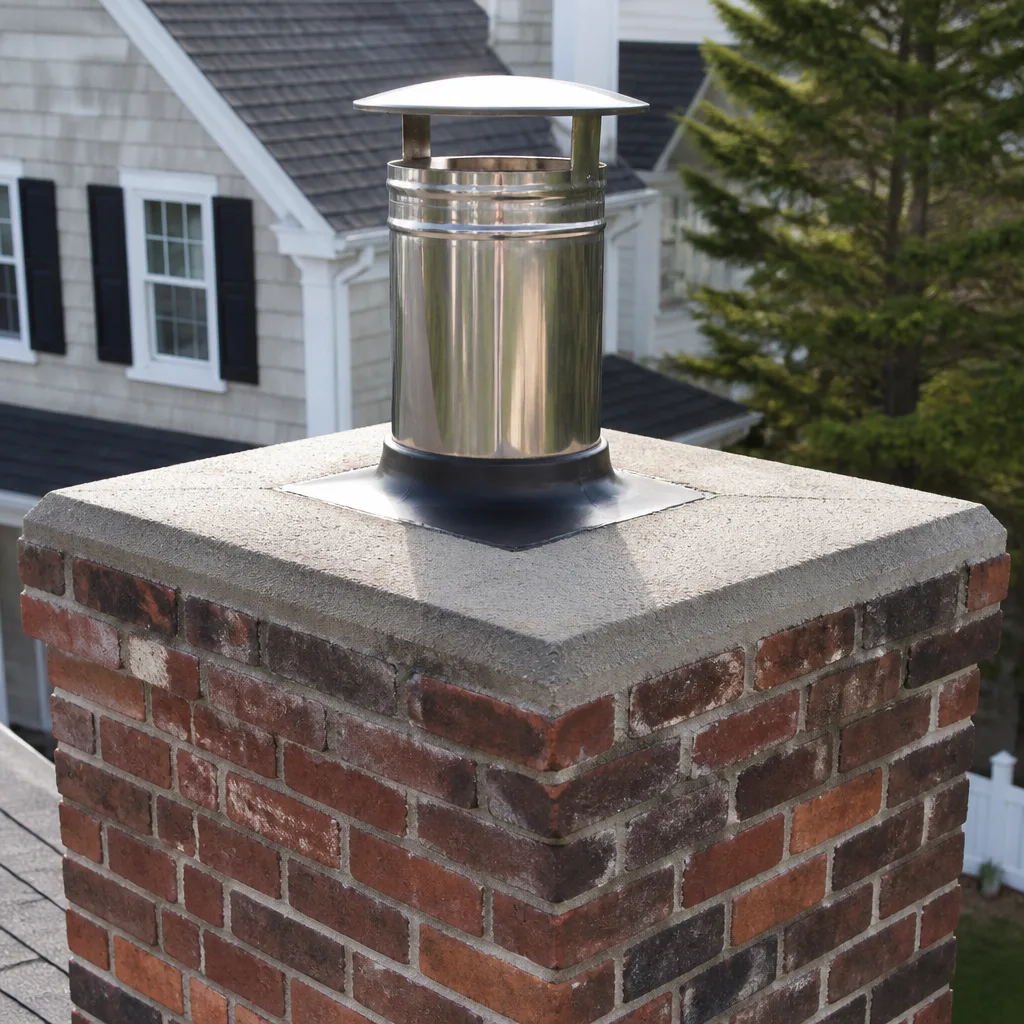 Flue relining
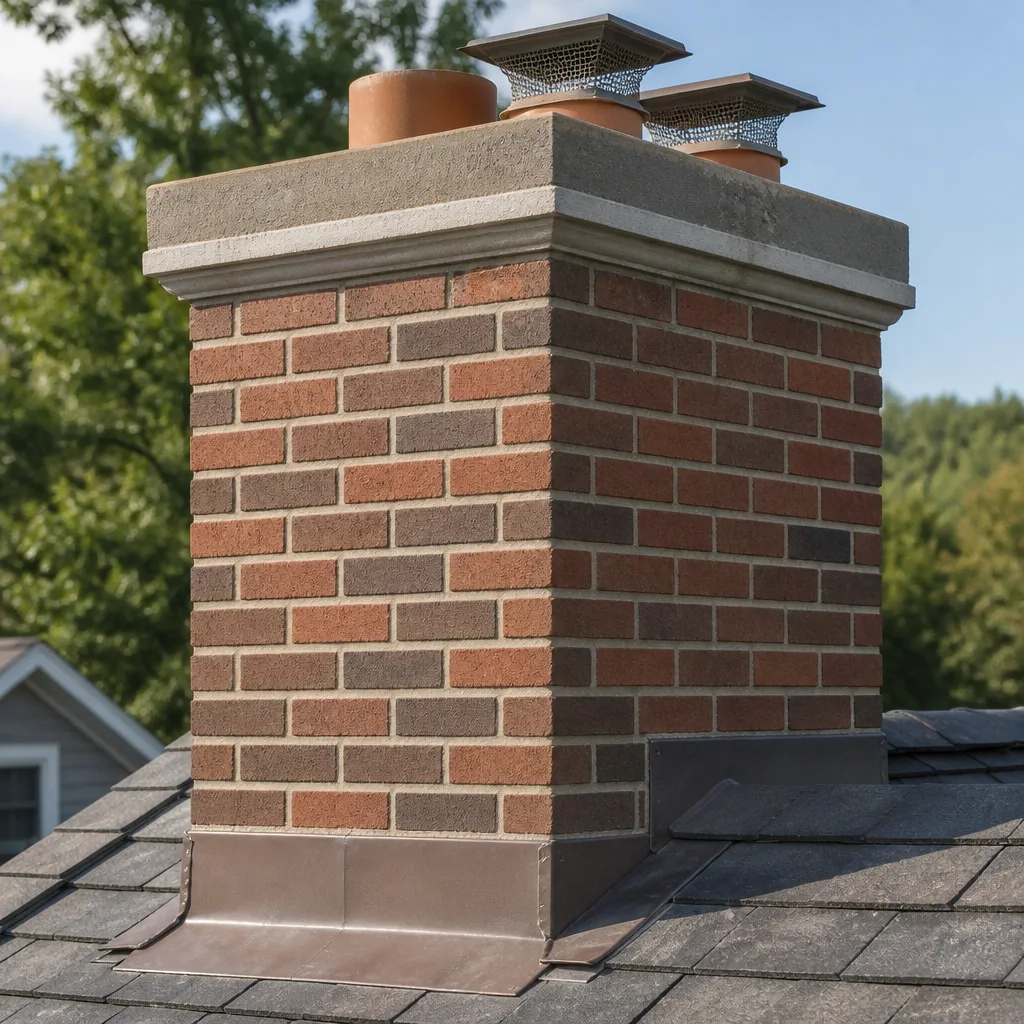 Masonry repair
 Gas fireplace service
Level 1 sweep and inspection to the NFPA 211 annual standard - flue, crown, cap, and flashing checked and photographed
Chimney sweep logs do not sweep chimneys. They loosen some creosote - which then falls where a brush and vacuum still have to collect it.
DIY vs Professional Chimney Cleaning: The Mission Valley Homeowner’s Decision Guide
Chimney brush kits sold online will remove loose soot from the visible flue. What they won’t tell you is that the smoke chamber above your firebox, a space you cannot see and cannot reach with a basic brush, is where spalled mortar and creosote accumulate in most Mission Valley homes built before 1990. This guide explains what DIY cleaning actually accomplishes, what it structurally cannot reach, and how to decide when a brush kit is enough versus when you need a camera, a trained eye, and professional-grade equipment. You’ll learn the anatomy of your chimney system, the specific failure points in older San Diego housing stock, and the insurance implications of self-performed maintenance.
Quick Answer
DIY chimney cleaning can remove loose soot from the visible flue, but it cannot inspect or clean the smoke chamber, flue liner surface, or hidden masonry joints where most fire hazards originate. For most Mission Valley homeowners with wood-burning fireplaces over 20 years old, an annual professional chimney sweep with camera inspection is the safer and more thorough choice. A DIY brush pass is only reasonable for light, recent soot in a recently inspected, modern, straight-flue system.
Styles & brands we work with
- Sweep & inspection
- Caps & crowns
- Flue relining
- Masonry repair
- Gas fireplace service
Table of Contents
- The Chimney Anatomy Most Homeowners Never See
- What a DIY Brush Actually Reaches, and What It Never Will
- When a DIY Brush Pass Is Genuinely Adequate
- The Camera Inspection Gap: What Liner Failure Looks Like
- Insurance and Liability: The California Angle
- A Decision Framework for Your Specific Fireplace
- A Parallel Risk: Dryer Vent Cleaning
- Common Mistakes to Avoid
- When to Call a Professional
- Frequently Asked Questions
The Chimney Anatomy Most Homeowners Never See
Most people picture a chimney as a simple vertical tube. It isn’t. Your fireplace system has three distinct zones, and each one matters differently for fire safety. The firebox is the visible brick or stone chamber where the fire burns. Above it sits the smoke chamber, a sloped, inward-angled transition space that funnels smoke from the firebox up into the flue. Above that runs the flue itself, usually a clay tile liner or a metal liner system, which carries smoke to the outside. The firebox throat, where the firebox meets the smoke chamber, is a choke point where turbulence deposits creosote and debris.
In Mission Valley, the housing stock skews older. Homes built in the 1950s through the 1980s dominate the valley floor and the surrounding hillside developments. Those chimneys were built with clay tile liners and mortar-joined smoke chambers. After 30 or 40 or 50 years, the mortar between those tiles breaks down. Chunks of masonry fall inward, creating ledges where creosote piles up. That creosote, a flammable byproduct of wood combustion, sits in the one part of the system a basic brush kit cannot reach.
The firebox throat is equally easy to miss. When you look up from the firebox with a flashlight, you see maybe the first few feet of the smoke chamber walls. You don’t see the throat channel, the damper assembly from the top side, or the majority of the flue liner. This is not a design flaw. It’s just geometry. Only a camera pushed up from below or lowered from the top can document those surfaces.
What a DIY Brush Actually Reaches, and What It Never Will
A wire or poly chimney brush attached to fiberglass rods rotates inside the flue. It knocks loose soot and light creosote from the liner walls, and that debris falls to the firebox where you scoop it out. That part works, within limits. A straight flue with a light coating of stage-one creosote, the fluffy gray or brown dust, will respond to a brush. What a brush will not do:
- It cannot clean the smoke chamber. The brush passes through this space, but the sloped walls and corbeled masonry shoulders deflect the bristles. Soot and glazed creosote remain.
- It cannot remove glazed or tar-like creosote. Stage-two and stage-three creosote is hardened, shiny, and bonded to the liner surface. No brush removes it. It requires mechanical rotary cleaning with chains or professional chemical treatment.
- It cannot tell you whether the liner is cracked. A brush removes surface deposits. It doesn’t extend into hairline cracks, and it gives you zero information about the condition of the flue tile behind the soot.
- It cannot document its own work. You can look up with a flashlight. You cannot see the top third of the flue from inside the firebox, and you cannot see the cap, crown, or upper exterior surfaces from the ground.
- It cannot address the throat. The transition from firebox to smoke chamber is where the damper hardware lives. A brush doesn’t detail this area, and a homeowner with a brush kit has no way to clean around the damper frame safely.
In our experience, the homeowners who call us after trying DIY are not calling because the brush “didn’t work.” They’re calling because the brush worked just enough to create false confidence. The visible soot is gone. The fire looks cleaner. But the smoke chamber still holds years of creosote and fallen mortar, and nobody knows it. The brush pass erased the symptom without touching the risk.
When a DIY Brush Pass Is Genuinely Adequate
There are narrow conditions under which a DIY cleaning is reasonable. They are not common in older Mission Valley homes, but they exist. If every one of the following is true, a brush kit from a hardware store will do the job.
- The system was professionally inspected within the last 12 months. You have a written report, ideally with video, confirming the liner is intact, the smoke chamber is clean, and no creosote glaze exists.
- The flue is straight and short. No offsets, no elbows, no multi-story runs with inaccessible upper sections. A single-story Mission Valley ranch with a direct vertical flue is a candidate. A two-story hillside home with a crossed flue is not.
- You burned only seasoned hardwood, and not much of it. A dozen fires since the last cleaning, using dry oak, produces stage-one soot. A winter of burned pine, construction scraps, or green wood produces stage-two deposits that a brush cannot manage.
- You have safe roof access. A mild-slope Mission Valley roof with a clear path to the chimney is workable. A steep tile roof above a hillside canyon is not a place for a homeowner with a drill and a rod kit.
- You understand the limitation. You’re doing a light maintenance pass between professional cleanings, not substituting for one.
If even one of those conditions fails, the DIY pass is not “good enough with a few caveats.” It’s incomplete, and incomplete chimney maintenance is the kind that leaves a fire hazard behind while making the homeowner feel protected.
The Camera Inspection Gap: What Liner Failure Looks Like
This is the unbridgeable gap. A professional sweep includes a high-definition camera inspection of the full system: firebox, throat, smoke chamber, flue liner, cap, and crown. The video shows the surfaces a physical brush just passed over. A homeowner cannot replicate this with a flashlight and a phone camera pointed upward.
What a liner failure looks like on camera is specific. A cracked clay tile shows as a dark fissure with rough edges, often with soot packed into the crack. A spalled tile shows as a missing chunk, typically with the inner face fallen away and the air gap behind exposed. Separated mortar joints show as horizontal dark lines where the mortar has eroded, leaving a recess for creosote. To the naked eye, through a few feet of smoke chamber, either one can look like shadow, like old staining, like nothing at all.
This matters because the chimney fire scenario in a Mission Valley home usually starts in the smoke chamber or behind the liner, not in the visible firebox. When a chimney fire begins, it’s typically fueled by years of creosote packed into a structural void nobody could see. A DIY brush pass just before that fire doesn’t prevent it. The fuel was never touched.
A camera also documents condition over time. Our sweeps include a photo report. You can see exactly where the liner stands this year, compare it to next year’s video, and decide on repair work like HeatShield restoration before full relining becomes necessary. That kind of longitudinal record is impossible to create with a brush from the hardware aisle.
Insurance and Liability: The California Angle
This is the part most DIY guides skip. California homeowner’s insurance policies cover chimney fires, subject to the standard requirements that the damage was not caused by willful neglect. Here’s the problem: after a chimney fire, the adjuster will ask for maintenance records. If you can’t produce a professional inspection report from the last 12 to 24 months, the claim gets harder. If you tell the adjuster you cleaned the chimney yourself, the next question is what experience and equipment you used, and whether a professional would have caught the defect that caused the fire.
We’re not saying every self-cleaned chimney fire leads to a denied claim. That would be false. We’re saying that a professional sweep record is a documented maintenance history, and a DIY brush pass without a camera report leaves you with no documentation at all. In a California insurance market where carriers scrutinize fire claims closely, that absence matters.
There’s also a structural angle. The California Building Standards Code, like most codes in the western United States, requires that fireplace and venting systems be maintained to the manufacturer’s specifications and in a serviceable condition. A chimney fire caused by a structural defect that a camera would have caught is a maintenance failure first and an accident second. A professional inspection turns that into an identified, documented, and addressed issue.
A Decision Framework for Your Specific Fireplace
Stop thinking about DIY versus professional as a philosophical debate. Think of it as four variables. Answer these, and the decision makes itself.
- System age. If the home and chimney are over 25 years old, the liner and smoke chamber mortar are aging. Old systems need eyes on them, not just a brush through them. A newer system, under 15 years old, has a longer runway for light DIY maintenance.
- Last inspection date. More than 24 months since a professional looked at it, and you’re overdue regardless of what you do yourself. Get the inspection, then decide if maintenance brushing between inspections fits your system.
- Fuel type. Wood-burning systems produce creosote that varies by burn temperature and wood species. Gas fireplaces produce less soot, but their venting still needs inspection for blockages, corrosion, and nesting debris. A DIY brush pass on a wood system is a different risk calculation than on a gas one.
- Usage frequency. A fireplace used twelve times a year for holiday ambience builds deposits slowly. A fireplace used as a primary heat source through a cold inland winter builds deposits quickly. More fires means more creosote, which means a professional cleaning is the responsible interval.
For most Mission Valley homeowners, the honest answer is that a professional cleaning is an annual or every-other-year appointment, and DIY brushing is not a replacement. It’s a supplementary pass between professional visits, and only when the system is modern, straight, and recently documented.
A Parallel Risk: Dryer Vent Cleaning
While you’re thinking about fire risk in the home, consider the vent you use far more often than the fireplace. Clothes dryer vents collect lint, and lint is a remarkably efficient fuel. The National Fire Protection Association has identified dryer vent fires as a significant residential fire cause for years. Yet most homeowners never think about it until the dryer starts taking too long or the vent flap stops opening.
Professional dryer vent cleaning removes the compacted lint inside the vent run, especially in Mission Valley homes where laundry rooms sit in interior closets with long vent runs through walls or under floors. Those long runs with multiple bends are the ones that trap lint. A homeowner can clean the removable lint screen. They cannot reach the 10 or 15 feet of vent beyond the dryer without rotary brushes and an access point. This is the same information gap as the chimney: the visible surface is clean, and the hidden surface is packed.
Chimney and dryer vent cleaning belong together because they’re the two venting systems in your home that carry combustible byproducts away from living spaces. A specialist who handles both is checking both with the same standard: camera evidence, documented condition, and a maintenance record. That’s how a home’s fire risk actually gets reduced.
Common Mistakes to Avoid
- Assuming a clean firebox means a clean chimney. The firebox is the part you can see. The smoke chamber and flue are the parts that hold the actual fire risk. They don’t clean themselves because the firebox got swept out.
- Using a brush kit on a glazed-creosote chimney. If the liner has a shiny, tar-like coating, a brush skates over it and leaves the fuel in place. You need mechanical cleaning or professional chemical treatment, not a $40 Amazon kit.
- Confusing a brush pass with an inspection. Cleaning and inspecting are separate functions. A brush removes soot. A camera documents condition. Doing one is not doing both.
- Climbing a Mission Valley tile roof with no fall protection. Roof work is the most dangerous part of chimney maintenance. Steep pitch, slick morning dew, and loose tiles are all common here. A fall from a second-story roof is a life-changing injury, not a home-improvement setback.
- Putting off a known liner issue because the fireplace “still works.” A cracked liner can allow combustion gases into the wall cavity or attic. The fireplace will function right up until it doesn’t. Once a camera identifies a liner defect, address it.
- Ignoring the dryer vent while obsessing over the chimney. Both are fire risks. Both need professional attention. Fixing one and ignoring the other is incomplete home safety.
When to Call a Professional
Call a professional if your system is over 20 years old and hasn’t been camera-inspected in the last two years. Call if you can see glazed, shiny creosote in the firebox or lower flue. Call if you smell stale smoke when the fireplace isn’t in use, which often indicates a drafting problem or blocked flue. Call if you’ve never had the smoke chamber checked. Call if you’re selling a home and need a documented inspection for escrow. Call if the previous owner left no maintenance records and you don’t know the system’s history. Chimney Sweep Mission Valley offers free estimates in Mission Valley, call (877) 752-2758. We answer 24/7. Fast dispatch from 7am to 7pm, Sunday through Friday.
Frequently Asked Questions
A standard chimney sweep and camera inspection in Mission Valley typically runs between $150 and $300 depending on system height, complexity, and accessibility. A sweep that includes the smoke chamber and a full camera report falls in that range. The written estimate sets the final price. Call (877) 752-2758 for an exact quote, estimates are free.
A wood-burning chimney used regularly should be swept and inspected once a year. If you only burn a few fires per season, every other year can work, but the camera inspection should still happen annually or before the first fire of the season. Light use doesn’t stop mortar from aging or exterior moisture from entering the system.
Yes, you need the camera. The upper smoke chamber, the top third of the flue, and the interior liner surface are not visible from the firebox with a flashlight. A phone camera held upward captures the first few feet and nothing else. A professional camera system, often mounted on a rotating head, documents the full run, and the video is the record that matters for insurance and future repairs.
A light brush pass can be done by a homeowner with a straight, recently inspected flue and safe roof access. It cannot replace the inspection, it cannot clean the smoke chamber, and it cannot remove glazed creosote. In older Mission Valley homes, a DIY pass is most useful as a maintenance supplement between professional cleanings, not as the primary line of defense.
Creosote builds, and the type of creosote changes. The light, fluffy stage-one soot turns into hard, tar-like stage-two or stage-three deposits that a brush won’t dislodge. Meanwhile, the mortar in the smoke chamber continues to degrade, and the liner tiles continue to age. You reach a point where a chimney fire has abundant fuel and a structural defect to carry it. The system looks fine from the firebox up until it isn’t. If you’ve skipped several years, schedule a professional inspection before the next burn, call (877) 752-2758.
No. Mission Valley is our home market, and we serve the valley floor, the surrounding hillside neighborhoods, and the broader San Diego area. Free estimates, camera documentation, and the full chimney and dryer vent scope are all available to Mission Valley homeowners.
The Bottom Line
The DIY versus professional chimney cleaning question comes down to visibility. A brush removes what you can see. It leaves untouched the smoke chamber, the throat, and the liner surface where the actual fire risk lives in older Mission Valley homes. If your system is recently inspected, straight, and lightly used, a DIY brush pass between professional cleanings is reasonable. If it’s over 20 years old, un-inspected, or burning regularly, the responsible move is a professional sweep with camera documentation. The materials we use, DuraFlex and HeatShield among them, are the same professional-grade products certified technicians specify. You can’t see the safety of your chimney. You can document it.
Written by the team at Chimney Sweep Mission Valley, serving Mission Valley since 2016.
See the difference
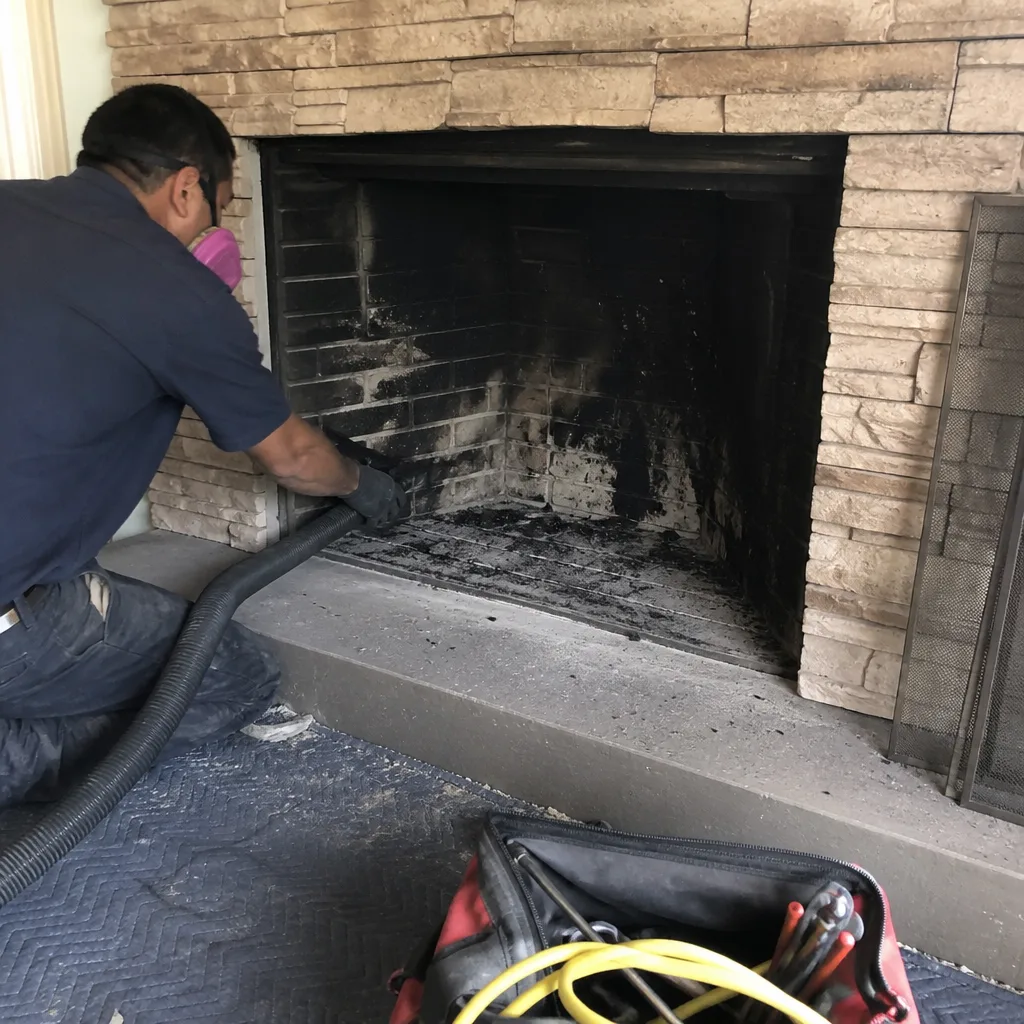 Before
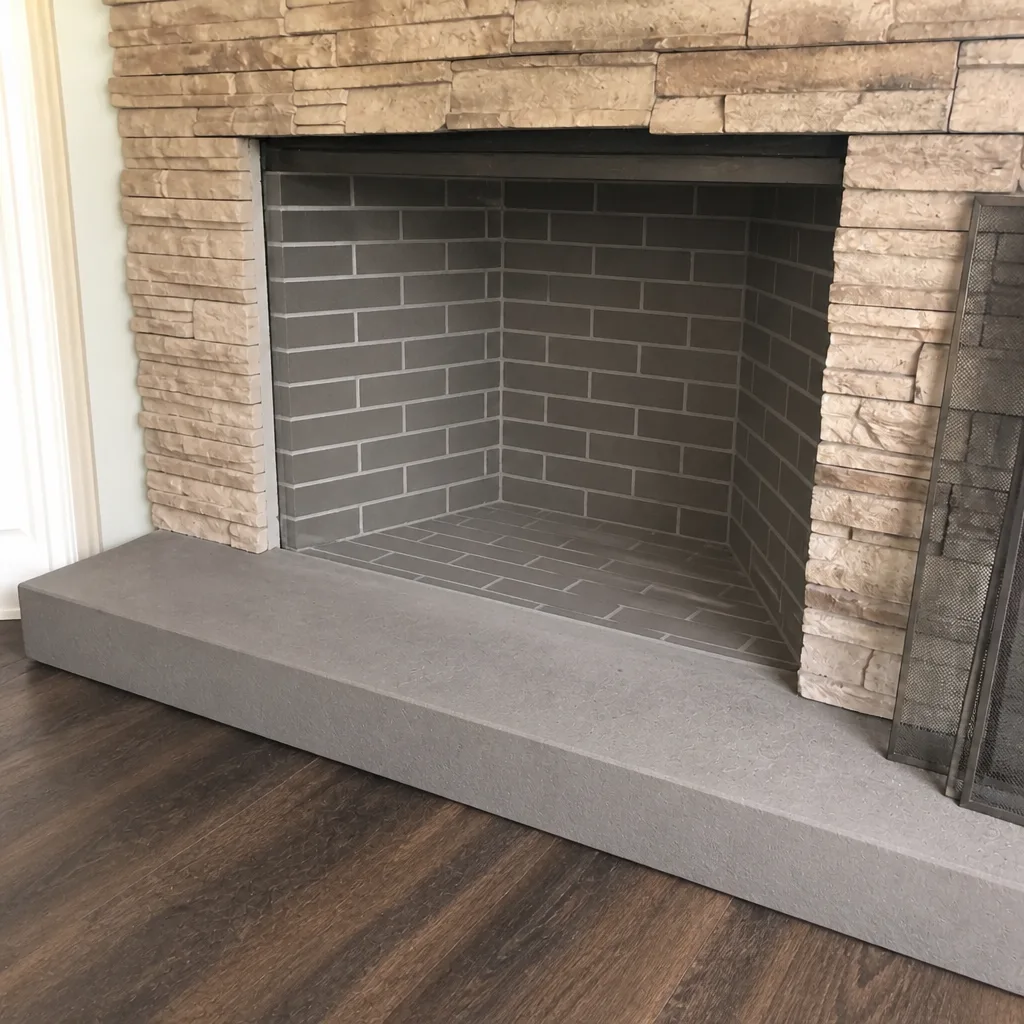 After
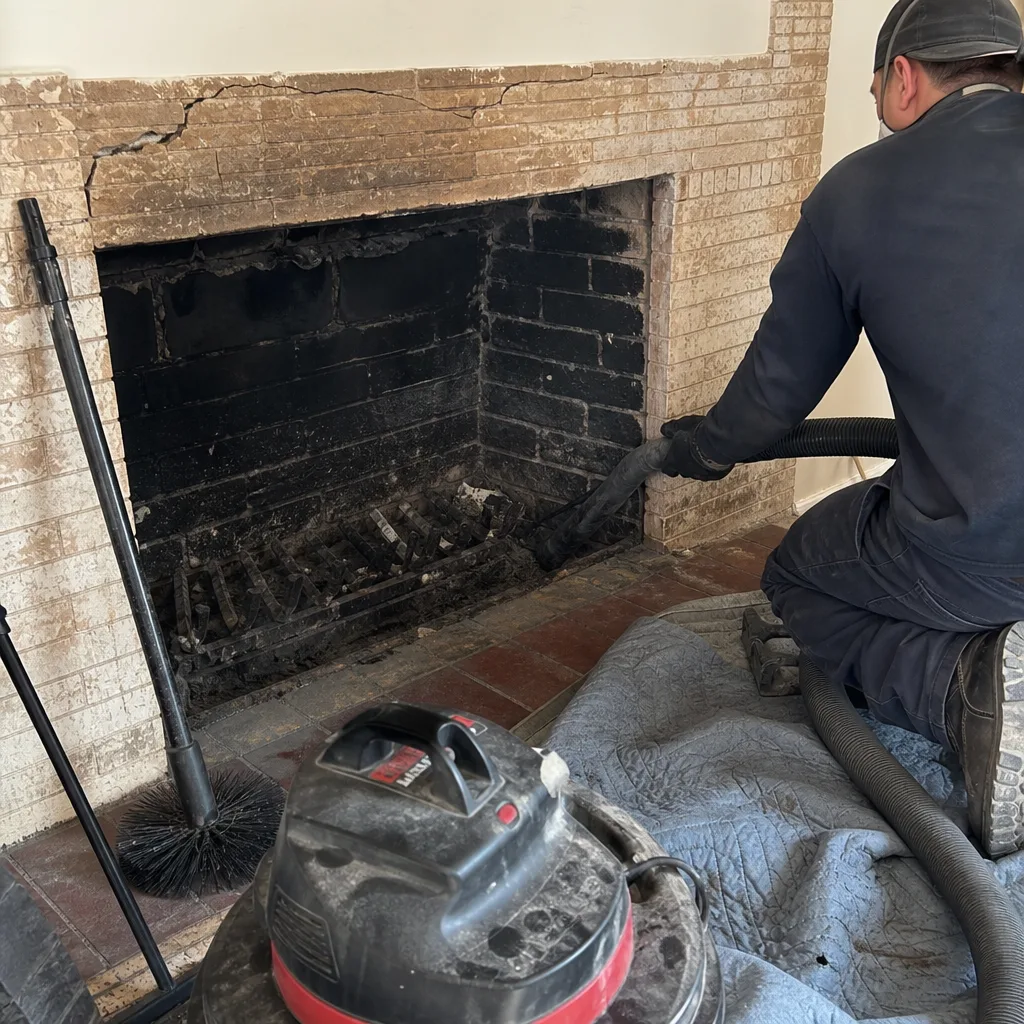 Before
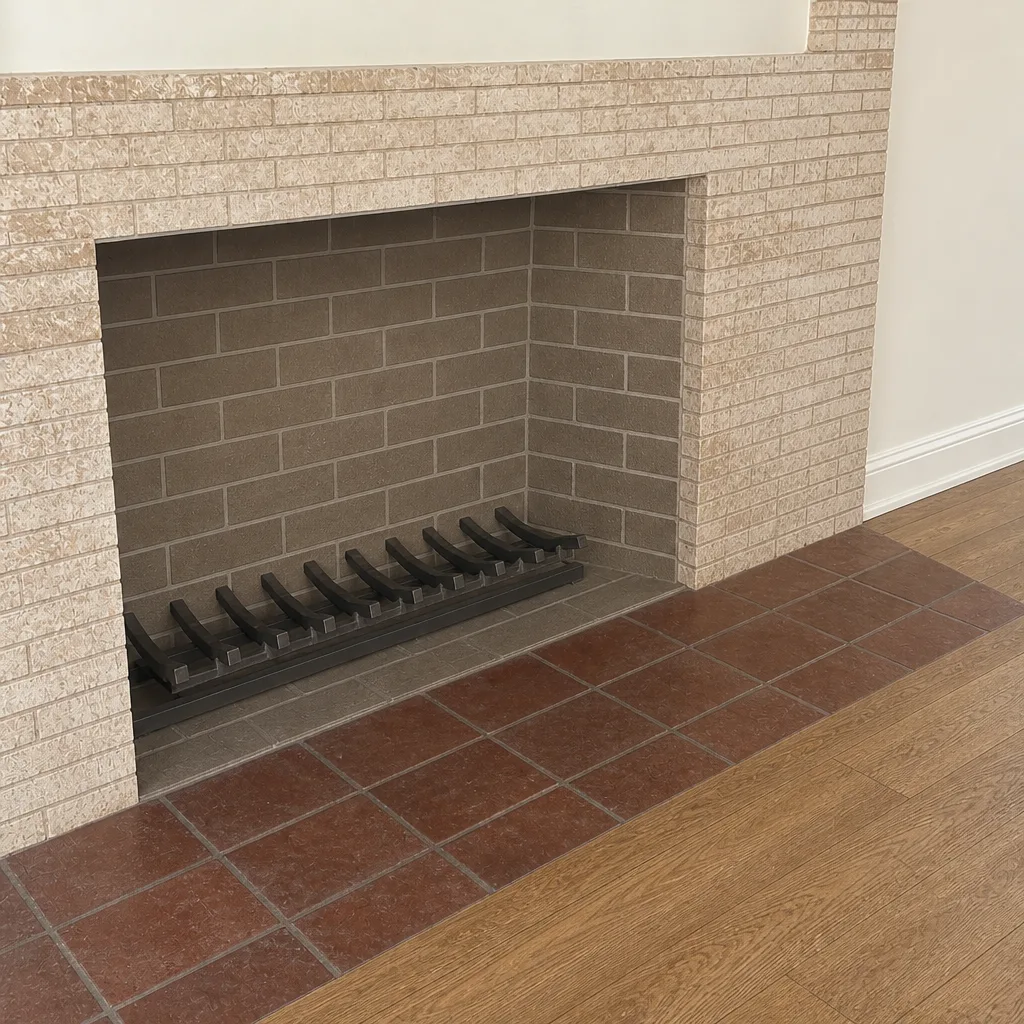 After
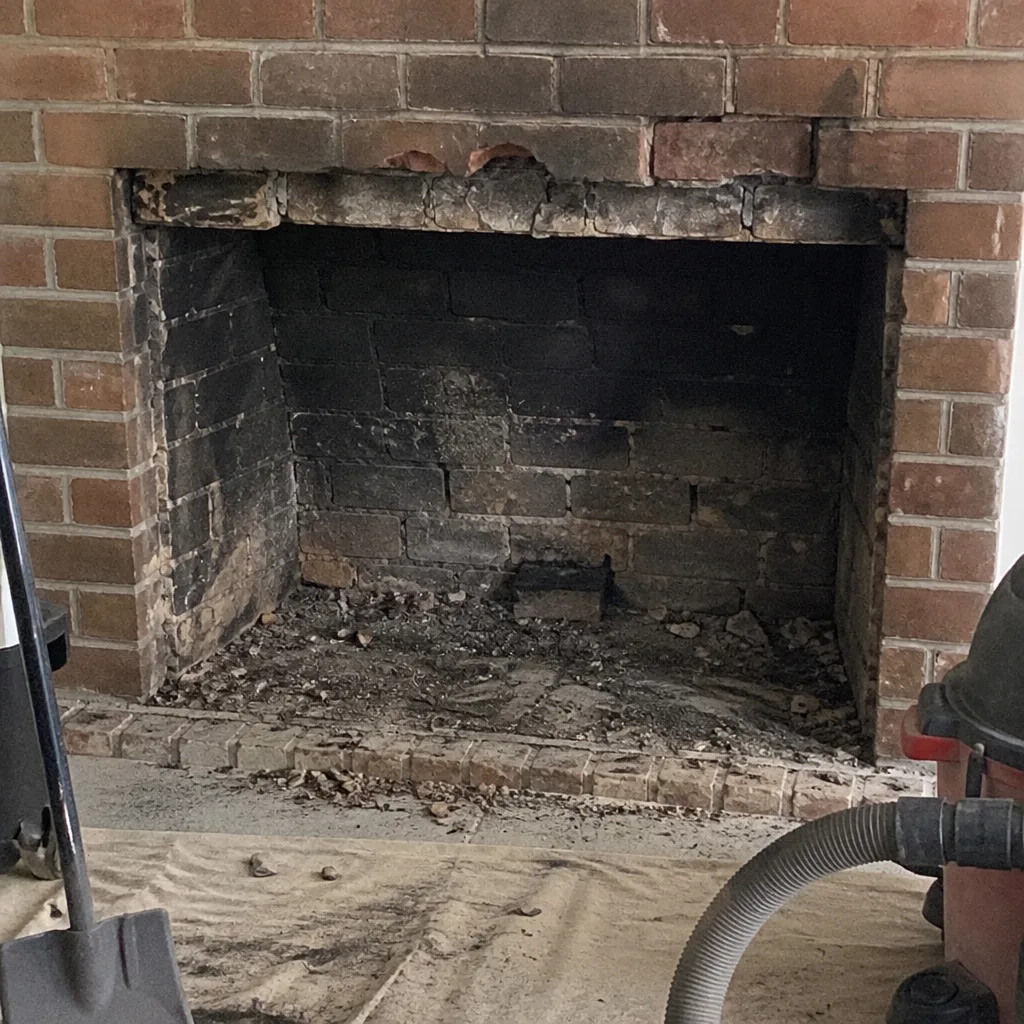 Before
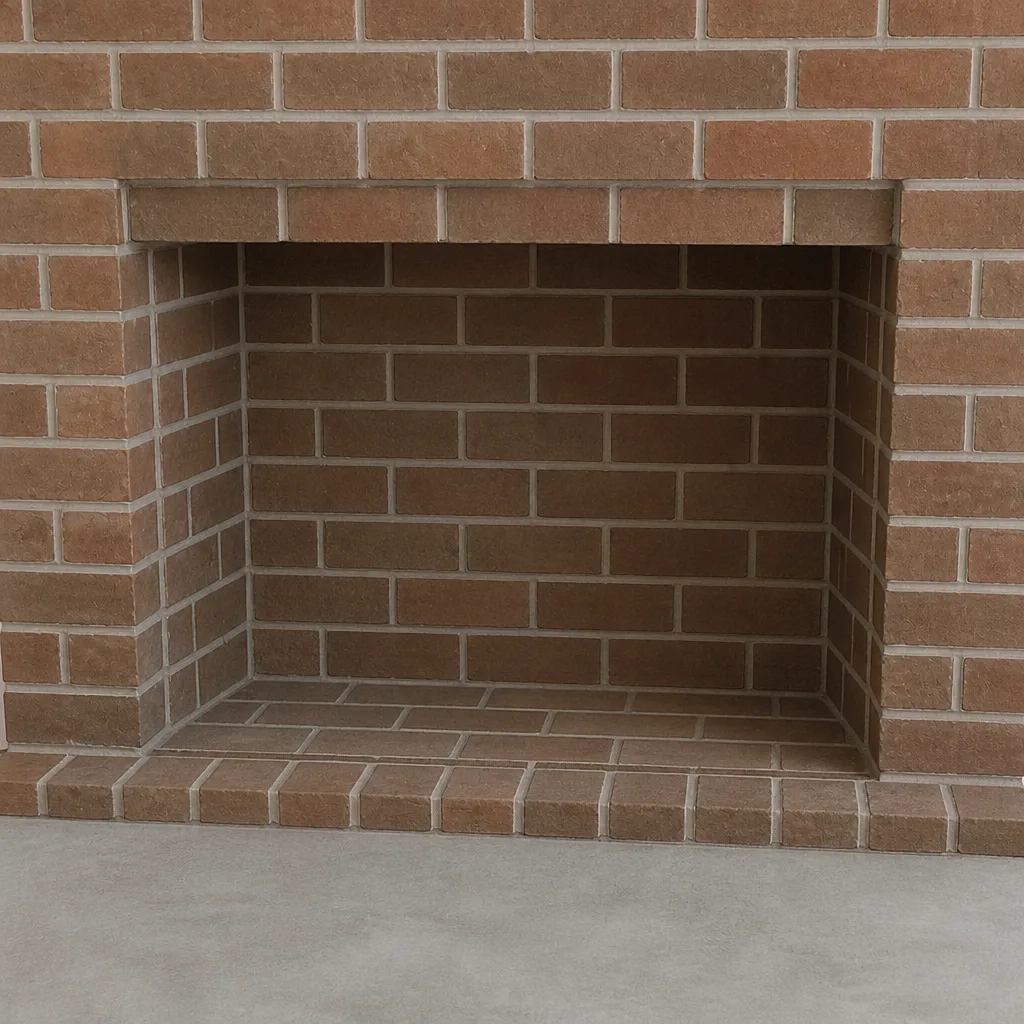 After