
Last updated November 5, 2026
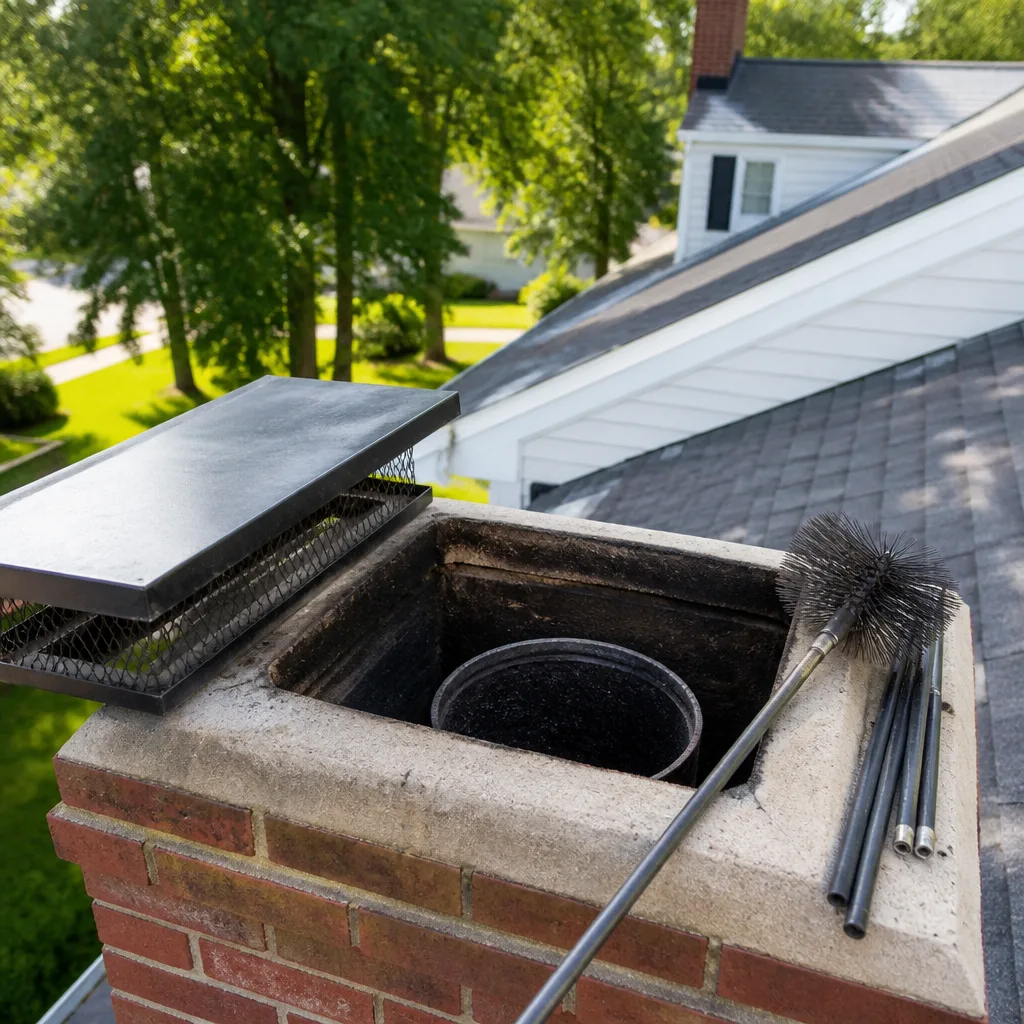 Sweep & inspection
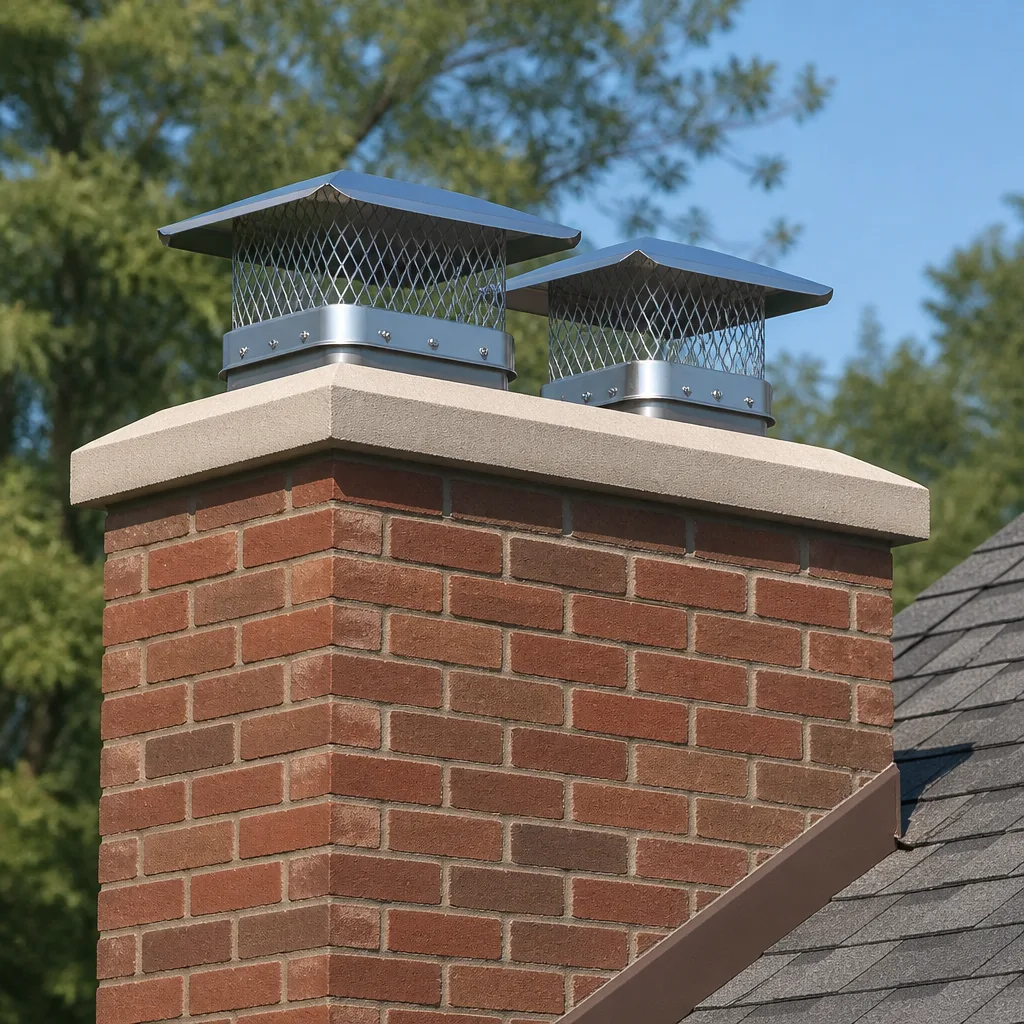 Caps & crowns
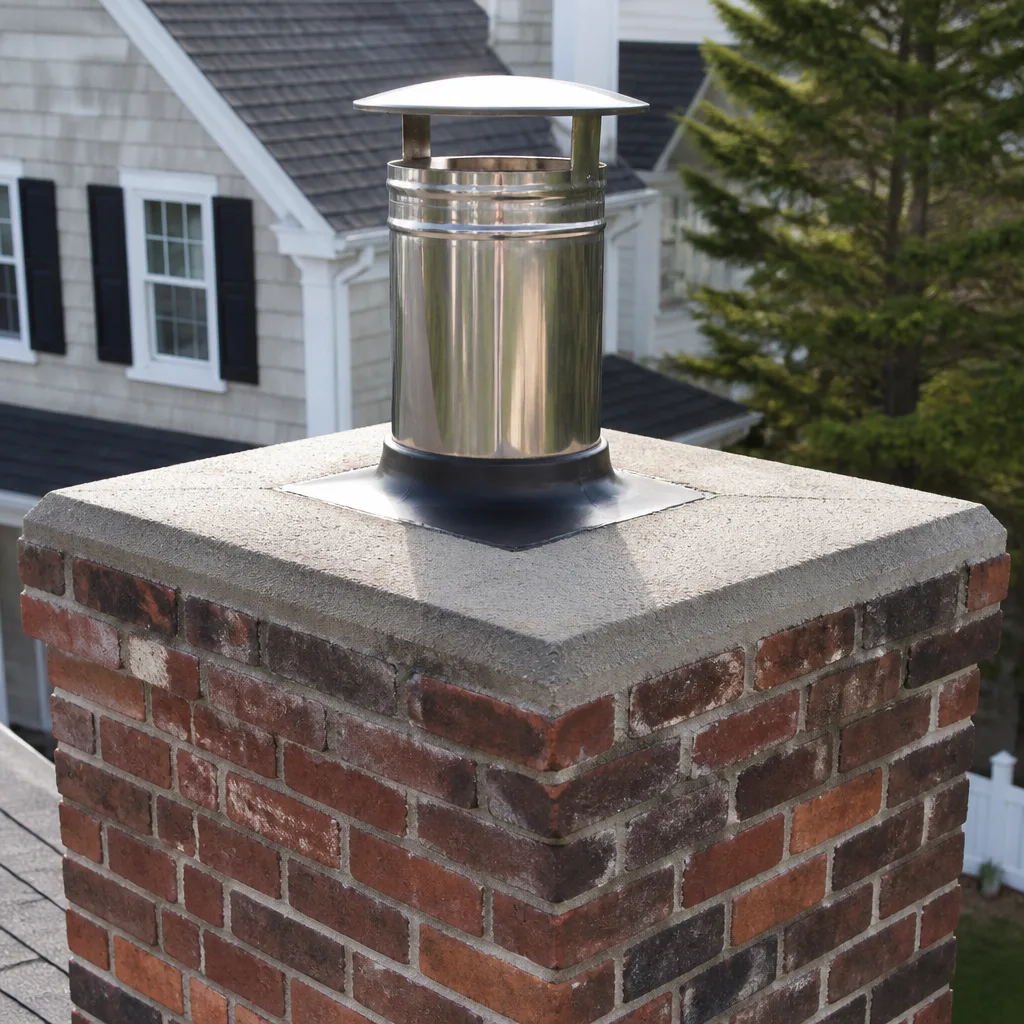 Flue relining
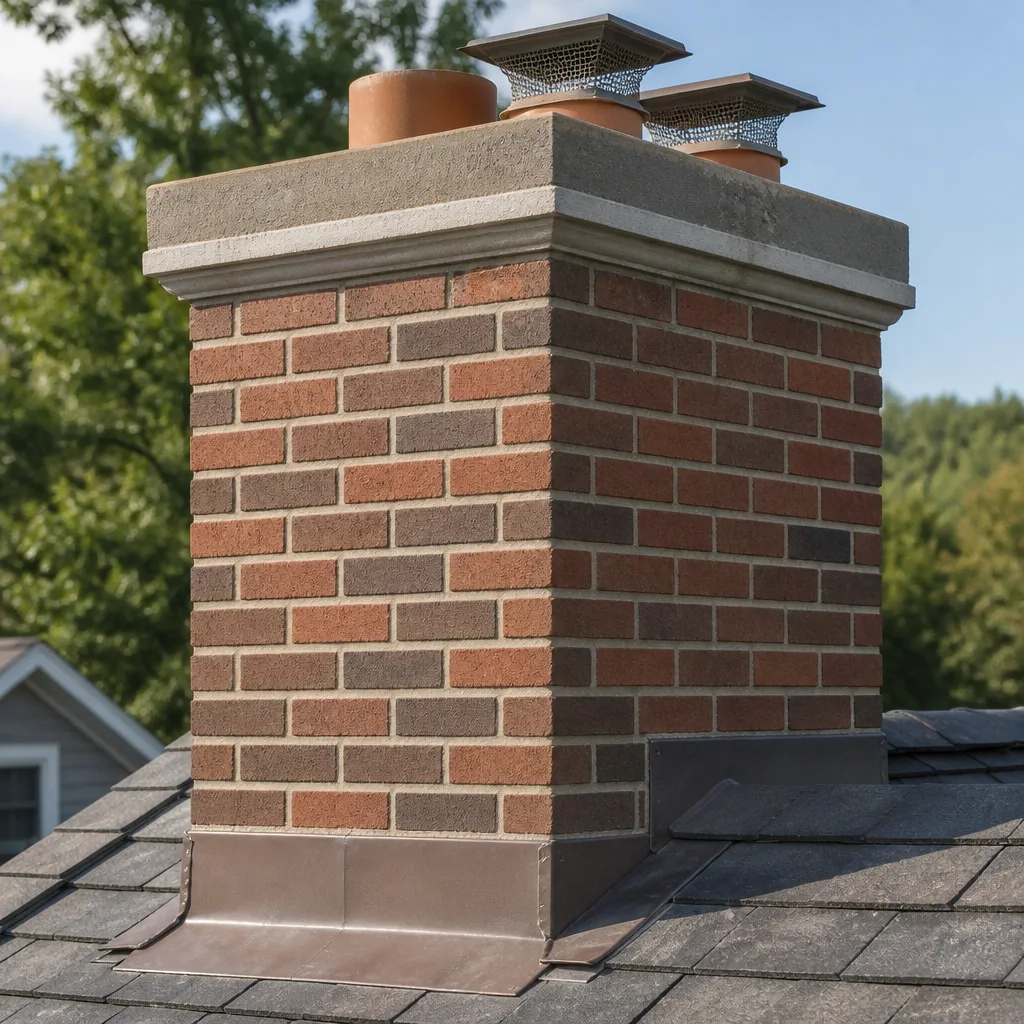 Masonry repair
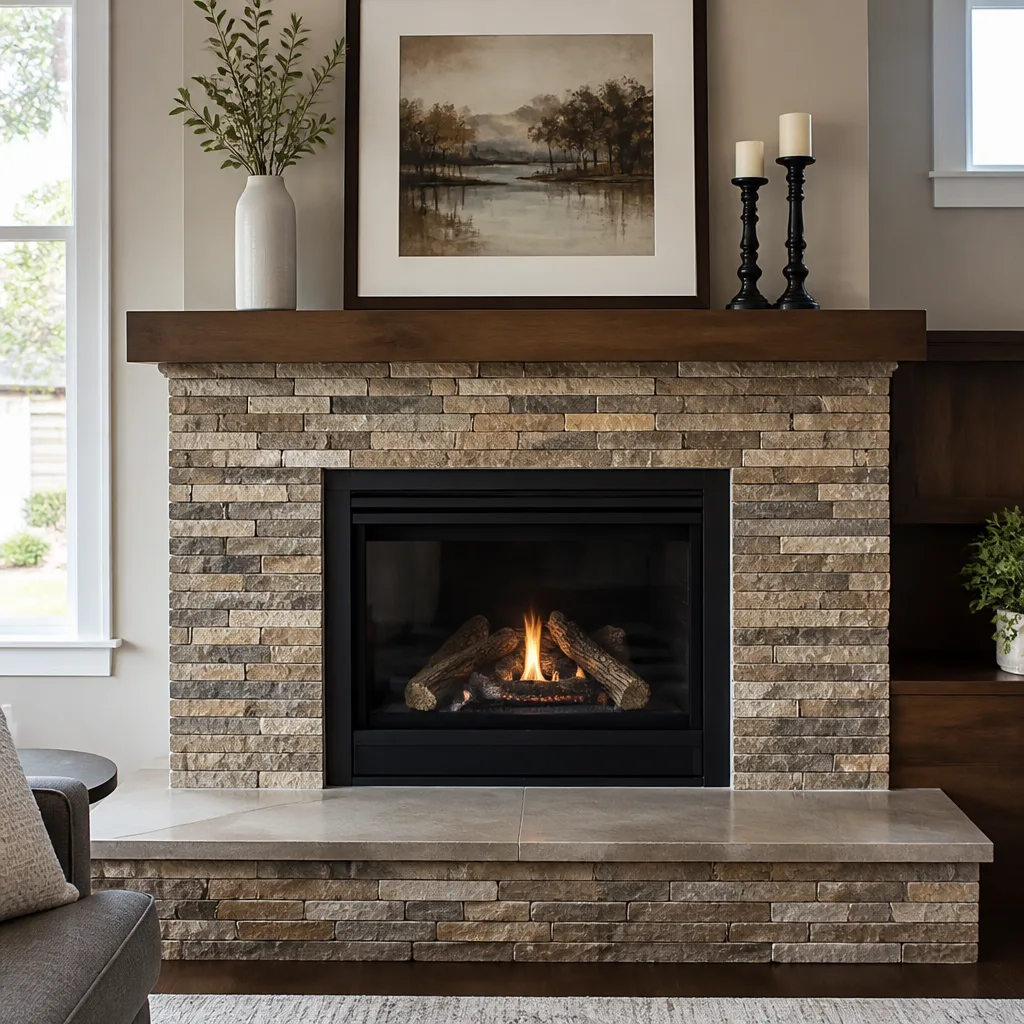 Gas fireplace service
Level 1 sweep and inspection to the NFPA 211 annual standard - flue, crown, cap, and flashing checked and photographed
Chimney sweep logs do not sweep chimneys. They loosen some creosote - which then falls where a brush and vacuum still have to collect it.
Chimney Cleaning Permits, Codes & Inspections in Mission Valley, CA: What You Need to Know
Here’s the part most Mission Valley homeowners don’t see coming: the routine chimney cleaning itself rarely needs a permit, but the repair work that cleaning often uncovers can trip a building department requirement you never knew existed. A cracked flue tile, a deteriorated firebox, or a liner that’s no longer doing its job can turn a $200 maintenance visit into a permitted structural repair, and people only find out when the contractor hesitates to pull a permit or when the home inspector flags unpermitted work years later at resale. This guide explains which chimney services trigger San Diego County permit requirements, which ones never do, how California Residential Code Section R1003 applies to your fireplace, and what Mission Valley homeowners should verify before any repair work begins.
Styles & brands we work with
- Sweep & inspection
- Caps & crowns
- Flue relining
- Masonry repair
- Gas fireplace service
Quick Answer
Routine chimney sweeping and Level 1 inspections in Mission Valley do not require a permit, because they’re classified as maintenance. But liner replacement, firebox rebuilding, and structural masonry repairs typically do require a permit through San Diego County’s Building Department, and repairs made with unlisted or unapproved materials can fail inspection. The smart approach: get a CSIA inspection level that matches the job, confirm the contractor’s repair spec meets California code, and verify the permit exists before work starts.
Table of Contents
- Which Chimney Services Need a Permit vs. Which Don’t
- How California Residential Code R1003 Governs Chimney Repairs
- CSIA Level 1, Level 2, and Level 3 Inspections: When Each Is Required
- What ‘Approved’ Liner Materials Mean Under California Code
- How to Verify a Contractor Pulled the Correct Permit
- Mission Valley-Specific Considerations: Climate, Housing Stock, and Code Enforcement
- Common Mistakes to Avoid
- When to Call a Professional
- Frequently Asked Questions
- The Bottom Line
Which Chimney Services Need a Permit vs. Which Don’t
The line between maintenance and modification is what determines whether a permit is required, and it’s a line people get wrong all the time. In California, reconstruction, alteration, and repair that affects structural components generally fall under the building permit requirement. Cleaning doesn’t. Sweeping doesn’t. Even most cap replacement doesn’t. But the moment work touches the structural integrity of the flue, the firebox, or the masonry system, the rules change.
Here’s the straightforward breakdown for Mission Valley homeowners:
- Chimney sweeping (brush or rotary): No permit. This is classified as routine maintenance, the same way cleaning gutters is. You’re removing creosote and soot, not altering the structure.
- Level 1 inspection (visual, no tools beyond a flashlight): No permit. A visual inspection doesn’t modify anything and carries no code implications.
- Level 2 inspection (video scan): No permit for the inspection itself. But if it reveals damage that requires repair, the repair may trigger a permit.
- Chimney cap replacement: Generally no permit, assuming the cap is a listed product and the flue termination isn’t being structurally altered.
- Flue liner replacement or installation: Permit required in most cases. This is treated as an alteration to the venting system and often requires a final inspection by the county.
- Firebox rebuild or smoke chamber repair: Permit required. This is structural firebox work, and San Diego County wants to see it done to current code.
- Masonry repointing that maintains structural integrity: Typically no permit for minor cosmetic repointing, but major structural rebuild does require one.
- Crown repair or replacement: Varies. A simple crown coat is maintenance; a full crown rebuild may trigger permit review depending on scope.
The practical takeaway for anyone in Mission Valley: if a repair changes how the chimney functions structurally, assume a permit applies until the contractor shows you otherwise in writing. A legitimate contractor won’t be vague about this. We’ve found that most homeowners would rather know upfront what the job requires than find out after the fact that they’ve inherited an unpermitted modification.
How California Residential Code R1003 Governs Chimney Repairs
California Residential Code (CRC) Section R1003 is the controlling standard for masonry chimneys and fireplaces in residential construction, and Mission Valley homes fall squarely under it. The section covers everything from wall thickness and flue liner requirements to clearance-to-combustibles and termination height above the roof. When a chimney repair is permitted, the repair generally needs to bring the affected portion of the system into compliance with current code, not just the code that applied when the house was built.
That last point matters more than people expect. A 1970s Mission Valley house may have a chimney that met code in 1972 but falls short of today’s standards in a specific area like hearth extension depth or flue clearance. If you’re repairing a section of that chimney, the inspector may hold you to current requirements, not the original ones.
Three CRC R1003 provisions come up most often in chimney work:
- Flue liner requirements (R1003.9-R1003.11): Masonry chimneys must be lined with approved clay, concrete, or listed metal liner materials. The liner must be continuous, properly sized, and installed with adequate clearance from surrounding combustibles.
- Clearance to combustibles (R1003.18): Masonry chimneys must maintain specified air space between the exterior chimney wall and any wood framing. When a liner or firebox repair reveals compromised clearances, the repair scope expands to address it.
- Termination height (R1003.8): The chimney must extend a minimum height above the roofline, typically 2 feet above anything within 10 feet horizontally. This rule affects cap selection and any repair that changes the flue’s termination.
For Mission Valley homeowners, the code base is California’s adoption of the International Residential Code with state amendments, enforced through the County of San Diego’s Planning & Development Services. The county’s inspection process for chimney work focuses on safety items: adequate liner, proper clearance, compliant termination, and fire-rated penetration details.
CSIA Level 1, Level 2, and Level 3 Inspections: When Each Is Required
The chimney sweep industry’s inspection standard comes from the Chimney Safety Institute of America (CSIA), and it divides inspections into three levels. Understanding the difference matters because municipalities and home insurers sometimes require a specific level before a permit is issued, and because the level affects what a technician can and can’t tell you about the system.
Level 1 inspection is the basic visual evaluation that accompanies a routine sweeping. The technician examines the readily accessible portions of the chimney, the firebox, and the visible exterior. This level is appropriate when the appliance and venting system haven’t changed since the last inspection and there’s no known damage. No permit is required for a Level 1 inspection, and it’s the right choice for an annual check on a well-maintained fireplace.
Level 2 inspection involves everything in Level 1 plus a video scan of the flue interior, examination of accessible attic and crawl space areas, and evaluation of the chimney’s clearance to combustibles. A Level 2 inspection is required by CSIA standards whenever there’s been a change to the fuel type, a change to the flue liner, a property transfer, or an operational malfunction. When a Mission Valley homeowner is preparing to sell, or when a Level 1 inspection reveals something suspicious, this is the level that gets recommended. The inspection itself doesn’t require a permit, but the repair work it reveals may.
Level 3 inspection is the most invasive level and involves opening concealed areas of the chimney or building to access hidden components. A Level 3 is indicated when a Level 1 or Level 2 inspection raises concerns that can’t be resolved without demolition, or when there’s known structural damage, such as damage from a chimney fire or an earthquake. In San Diego County, a Level 3 inspection may be required by the building department before a structural repair permit is issued, particularly if the damage’s extent is unclear.
Most Mission Valley homeowners will only ever see Level 1 and Level 2 inspections. Level 3 is reserved for cases with significant damage or hidden access issues.
What ‘Approved’ Liner Materials Mean Under California Code
This is a topic where Southern California homeowners get misled, because not every liner product sold nationally carries a listing that satisfies California requirements. The phrase “approved” in CRC R1003 means listed and labeled for the specific application by an approved testing agency. That’s a higher bar than simply being sold at a supply house.
For our part, we work with liner materials built by companies like DuraFlex and restoration products from HeatShield, because those are names inspectors in this region recognize as meeting listing requirements for masonry chimney relining and repair applications. When a liner replacement is specified, the material matters in three ways:
- Listing: The liner must be tested to the relevant UL standard and labeled for the application. A liner listed for oil-fired appliances may not be appropriate for a wood-burning fireplace.
- Sizing: The liner must be sized to match the appliance’s draft requirements. An oversized liner cools flue gases, increases creosote accumulation, and may fail to vent properly.
- Installation method: The liner’s listing includes installation requirements. Cutting corners on insulation or termination defeats the listing.
A homeowner in Mission Valley should be able to ask any contractor for the manufacturer, model, and UL listing of the specific liner being proposed. If the contractor can’t produce that information, that’s a red flag. It suggests the materials may not meet what the county inspector will look for, or that the company doesn’t carry professional-grade product lines. We’ve built our repair practice around professional-grade brands including Gelco, Olympia Chimney, Famco, Copperfield, and DuraFlex precisely because inspectors recognize those names and homeowners can verify their listings independently.
How to Verify a Contractor Pulled the Correct Permit
Once a permit is required, verifying it exists is straightforward, and no homeowner should skip this step. San Diego County maintains an online permit lookup system through its Planning & Development Services website, and it allows you to search by address or permit number. Here’s the step-by-step approach we recommend:
- Ask the contractor for the permit number before work begins. A licensed contractor will have applied for the permit and can provide the number. If they’re vague, that’s a signal.
- Search the county’s online permit portal using your address. The permit should appear under the correct scope: chimney repair, fireplace alteration, or liner replacement.
- Verify the description matches the work being quoted. A permit for “electrical panel” isn’t the same as a permit for “chimney liner replacement.” The description should match the repair scope.
- Confirm the final inspection is scheduled. The permit isn’t complete until a county inspector signs off. Some unpermitted work gets done, but the absence of a final inspection means the permit was never properly closed.
- Keep the permit records. When you sell the home, the buyer’s inspector may ask for documentation. Unpermitted chimney modifications are a common disclosure issue in San Diego County real estate transactions.
This verification takes about 10 minutes, and it protects you from a costly scenario: paying for work that doesn’t exist in the county’s records, then having it surface as an unpermitted modification during escrow.
Mission Valley-Specific Considerations: Climate, Housing Stock, and Code Enforcement
Mission Valley has a building stock weighted toward homes built between the 1950s and 1990s, which means a wide range of fireplace and chimney configurations. Some older homes have original masonry chimneys that have never been relined. Some mid-century builds have prefabricated fireplaces with manufactured venting that’s now beyond its service life. And some newer developments in Mission Valley have gas direct-vent fireplaces that require a different inspection approach entirely.
The climate in Mission Valley doesn’t subject chimneys to freeze-thaw cycles, which means spalling brick from ice damage isn’t a common issue here the way it is in colder markets. But the region’s intermittent rainfall, combined with the way many Mission Valley chimneys were originally constructed, means crown deterioration and water intrusion are steady concerns. Water is the most common catalyst for liner deterioration and firebox damage we encounter in this area.
Mission Valley homeowners should also know that San Diego County code enforcement takes a practical view of chimney safety: routine maintenance is left alone, but structural modifications without permits do get flagged when they’re discovered during property inspections or resale disclosures. The county’s approach rewards homeowners who do it right the first time, with permit and inspection documentation in hand.
One more Mission Valley-specific note: the Mission Valley housing market includes a meaningful number of condominium and townhome communities where the fireplace may be common property or subject to HOA restrictions. If you’re in a multi-unit setup, check whether the chimney is your responsibility or the association’s before booking any repair work.
Common Mistakes to Avoid
- Assuming cleaning covers everything. A sweep removes creosote and soot. It doesn’t address cracked flue tiles, deteriorated mortar joints, or a liner that’s separating from the masonry. If the sweep turns up structural concerns, take the next step.
- Letting a handyman handle liner work without a permit. A handyman can’t pull a building permit for structural chimney repair in San Diego County. If the person doing the work can’t produce a contractor’s license and a permit number, walk away.
- Accepting unlisted liner materials. Not every flex liner sold in California meets the CRC listing requirements. Ask for the UL listing and verify it matches the application before work starts.
- Skipping the Level 2 inspection on a home purchase. A visual Level 1 inspection won’t catch liner cracks or clearance issues hidden inside the flue. A video scan is standard practice for any chimney attached to a Mission Valley property under contract.
- Paying for a repair without the final inspection. The permit only protects you if the final inspection is completed and the county signs off. Unclosed permits are a resale liability.
- Treating a chimney cap as optional. Missing or damaged caps let rain into the flue, accelerating liner deterioration and shortening the life of the entire system. Caps from manufacturers like Gelco or Famco are inexpensive relative to what water damage costs to fix.
- Ignoring the dryer vent in the same house. A chimney isn’t the only fire-risk venting system in a Mission Valley home. Dryer vent cleaning addresses a leading cause of residential fires, and we treat it with the same seriousness as chimney work.
When to Call a Professional
You don’t need a permit to have a chimney sweep take a look, and a Level 1 inspection is the right first step for most homeowners who haven’t had the fireplace evaluated in years. Call a professional when you see flaking masonry, water staining around the fireplace, smoke entering the room, or when you’ve been in the home more than two years without an inspection. If a sweep reveals liner damage or firebox deterioration, the repair conversation should include permit requirements, material listings, and a clear path to final inspection. Chimney Sweep Mission Valley offers free estimates in Mission Valley. Call (877) 752-2758. We answer 24/7. Fast dispatch from 7am to 7pm, Sunday through Friday.
Frequently Asked Questions
No. Routine chimney sweeping is classified as maintenance and does not require a permit in Mission Valley or anywhere else in San Diego County. Sweeping removes creosote and soot without altering the structure, so no building department involvement is triggered. If the sweep uncovers damage requiring repair, the repair may need a permit, but the cleaning itself never does.
Chimney sweeping in Mission Valley typically falls into a range that depends on the system’s condition, access, and the inspection level included. A basic sweep with a Level 1 inspection is modestly priced, while a sweep paired with a Level 2 video scan costs more because of the diagnostic equipment involved. The written estimate sets the final price, and estimates are free. Call (877) 752-2758 for an exact quote.
Yes, in most cases. Liner replacement is treated as an alteration to the venting system, not a maintenance task, and San Diego County generally requires a building permit with a final inspection. The permit confirms the liner was installed to current code, which protects you at resale.
Unpermitted chimney work becomes a liability when the home is sold, because disclosure requirements in California require you to reveal unpermitted modifications. Insurance claims related to chimney damage may also be complicated if the work wasn’t permitted and inspected. The county can also require retroactive permitting, which may involve opening finished surfaces for inspection.
The CSIA standard is annual sweeping whenever the chimney sees regular use, even in a mild climate like Mission Valley’s. Creosote accumulates based on burn temperature and wood condition, not outdoor temperature, so the schedule is driven by how often you use the fireplace and how seasoned your wood is. A Level 1 inspection each year is the baseline.
Yes. San Diego County’s Planning & Development Services maintains an online permit lookup where you can search by address or permit number. Ask your contractor for the permit number before work begins, then verify it online and confirm the description matches the chimney repair scope.
The Bottom Line
Most Mission Valley chimney cleanings need no permit, and that’s the easy part. The harder part is what happens when cleaning uncovers damage: liner replacement, firebox repair, and structural masonry work typically require a San Diego County permit, and skipping it creates resale problems down the road. California Residential Code R1003 sets the standard for these repairs, and ‘approved’ materials means listed, labeled, and appropriate for the application, not just whatever’s cheapest on the shelf. Verify the permit number online before work starts, keep the final inspection records, and treat your chimney like what it is: a structural system that deserves documented, code-compliant care.
Written by the team at Chimney Sweep Mission Valley, serving Mission Valley since 2016.
See the difference
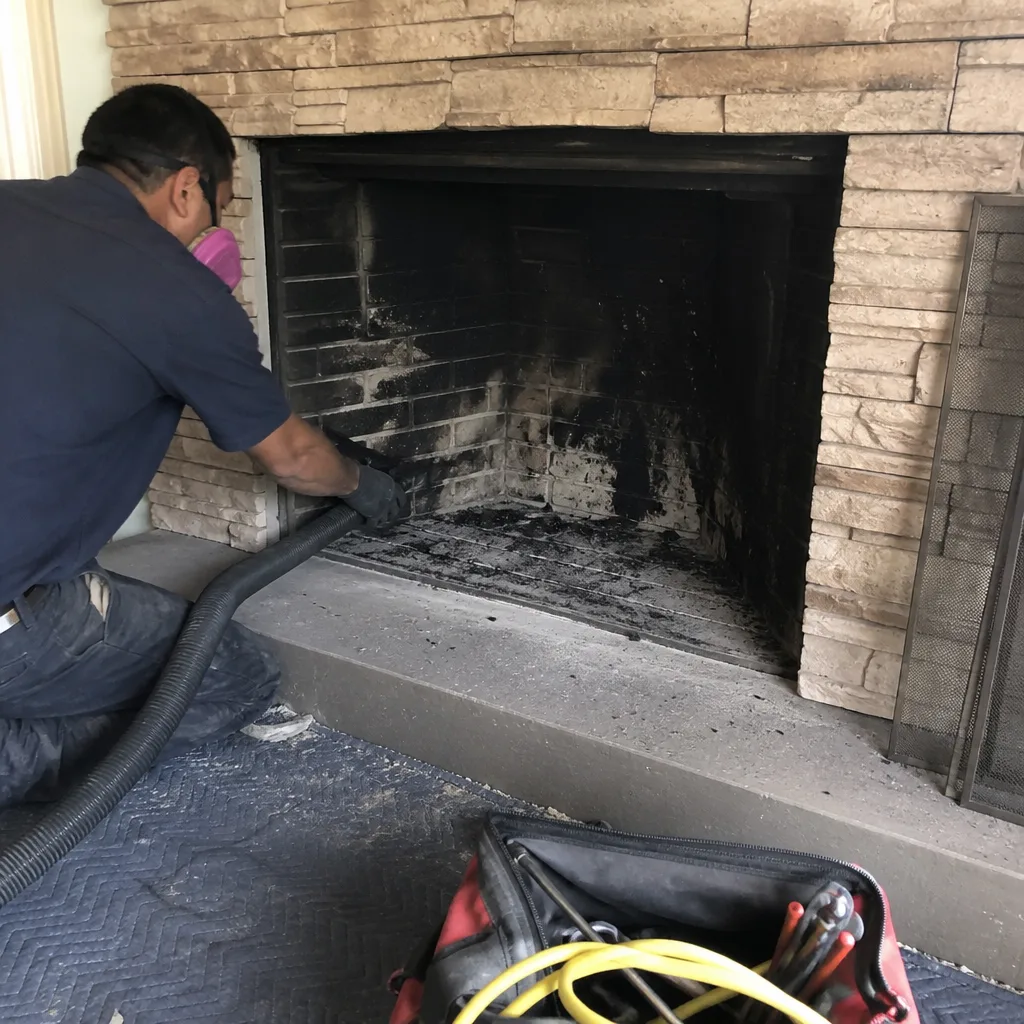 Before
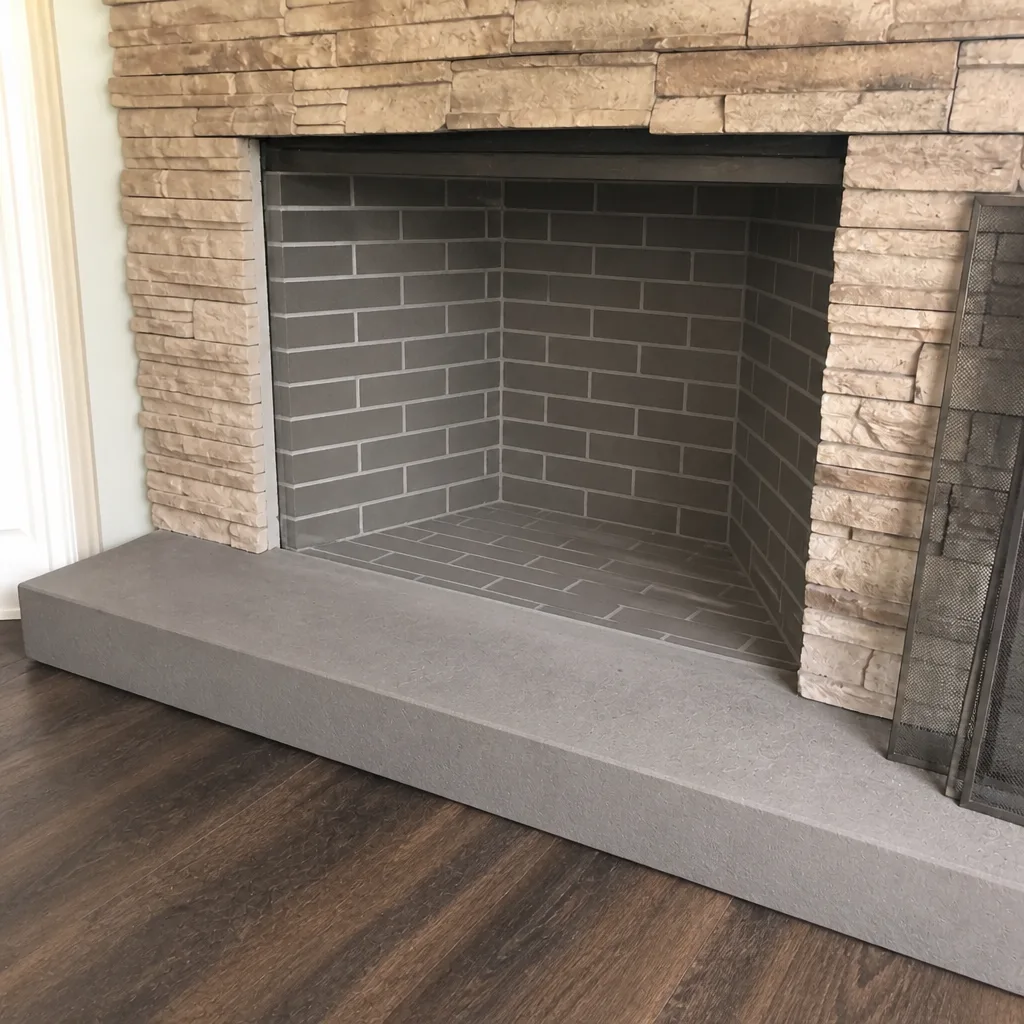 After
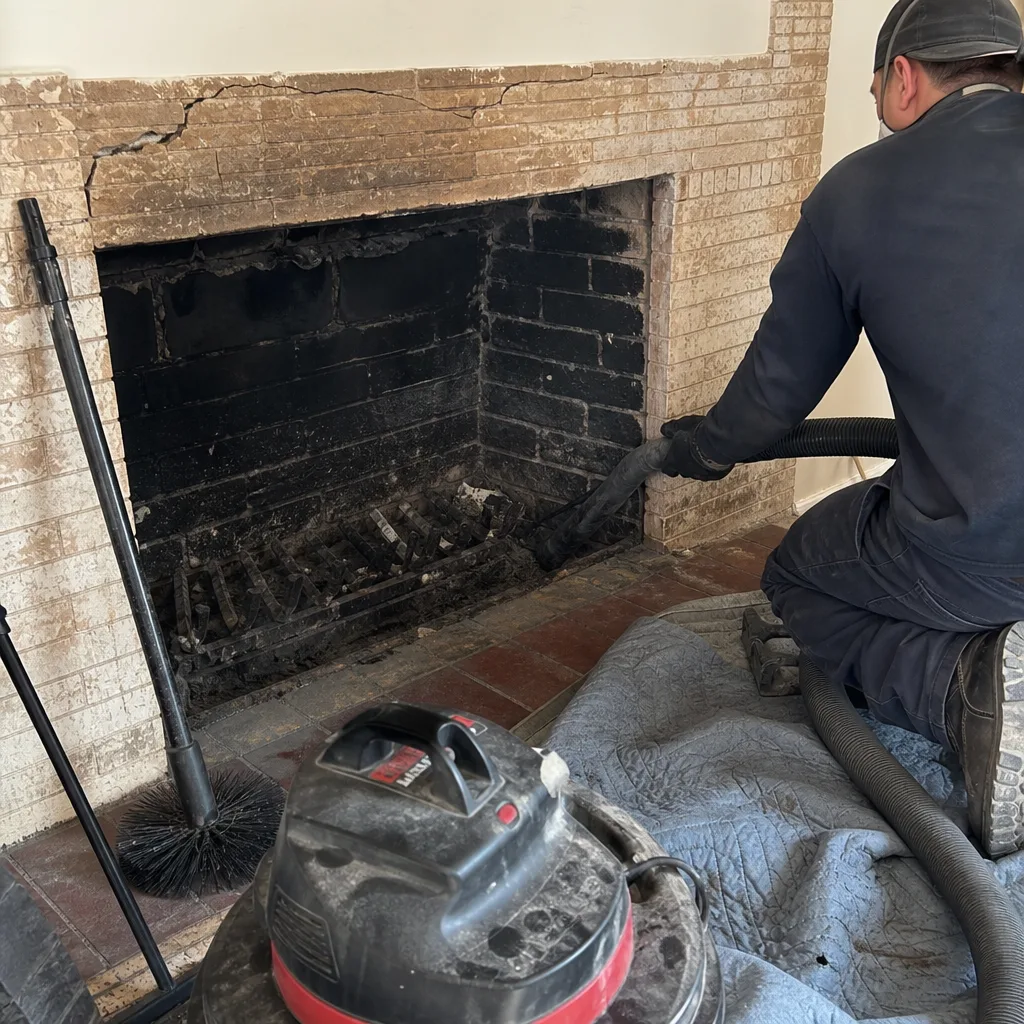 Before
 After
 Before
 After