
Last updated November 5, 2026
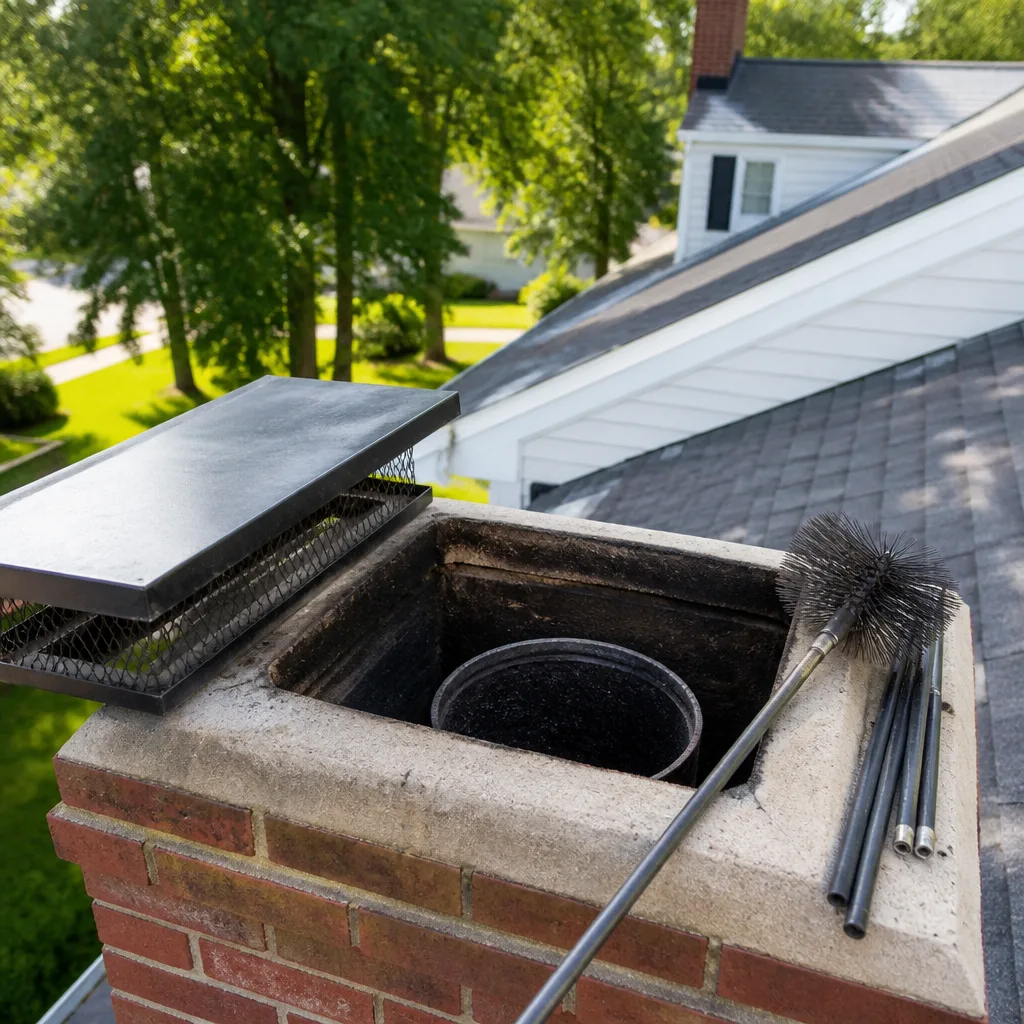 Sweep & inspection
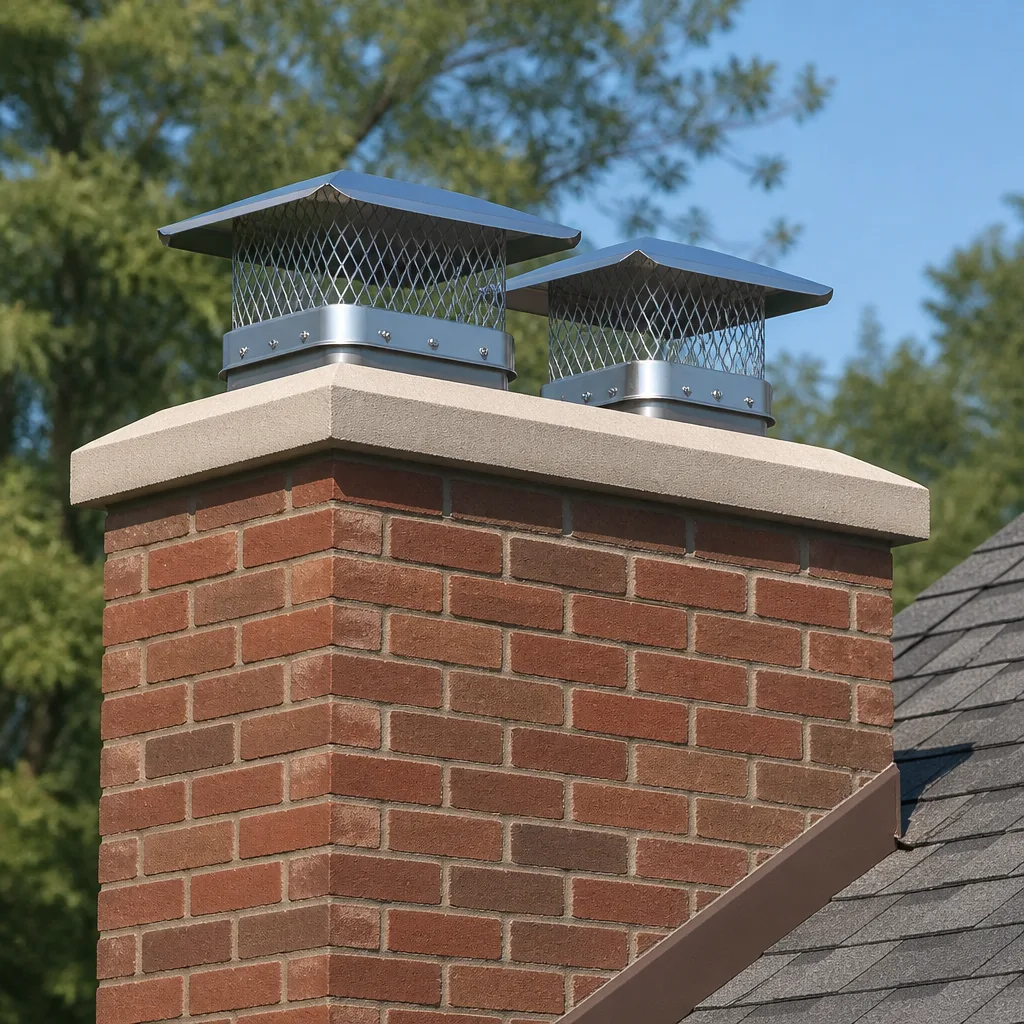 Caps & crowns
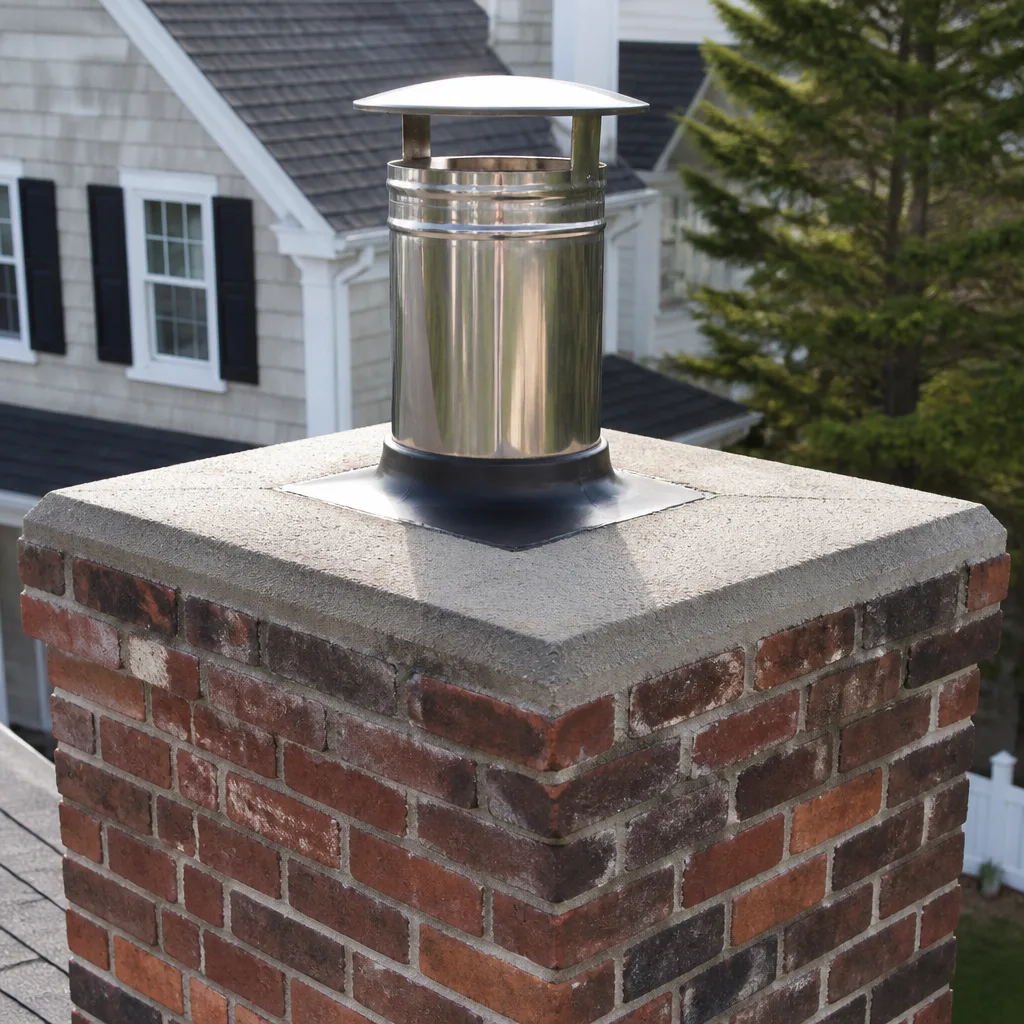 Flue relining
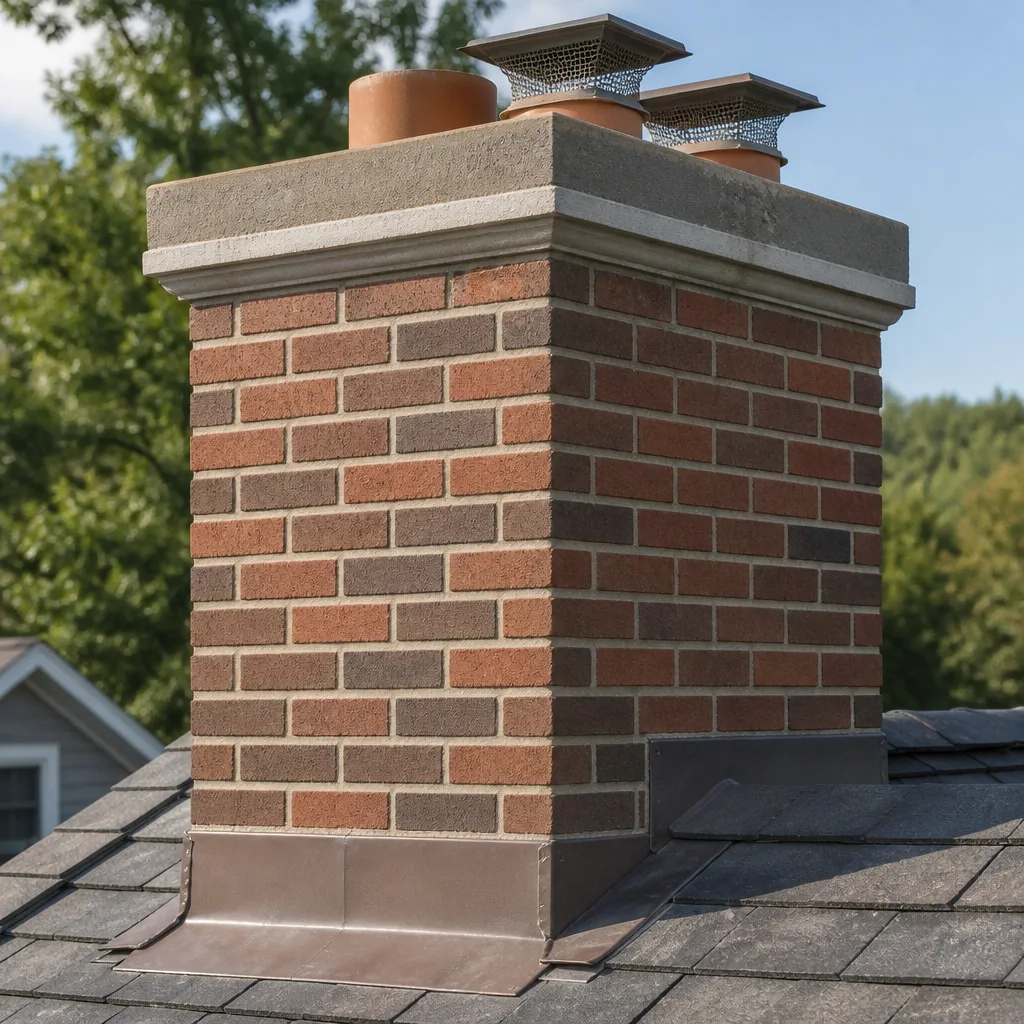 Masonry repair
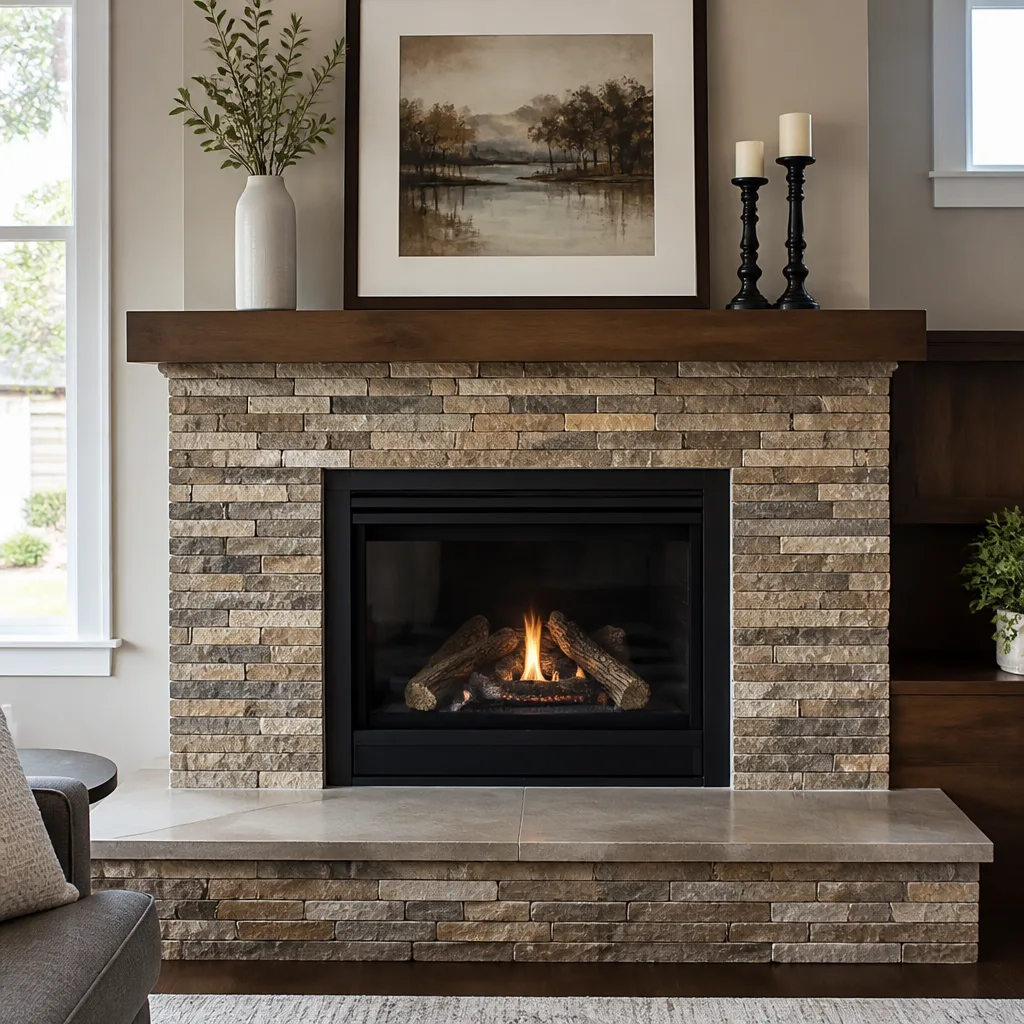 Gas fireplace service
Level 1 sweep and inspection to the NFPA 211 annual standard - flue, crown, cap, and flashing checked and photographed
Chimney sweep logs do not sweep chimneys. They loosen some creosote - which then falls where a brush and vacuum still have to collect it.
Chimney Cleaning Cost Breakdown: The Mission Valley Homeowner’s Reference for 2026
Most Mission Valley homeowners don’t realize that a chimney cleaning quote can range from $149 to $3,500, and both numbers can honestly describe the same chimney on the same day. The difference isn’t that one contractor is gouging you while another undercuts the market. The difference is that these two quotes describe completely different scopes of work, because “cleaning” means one thing when a flue has a light coating of soot and something entirely different when a camera reveals a cracked liner that has been quietly deteriorating for years. This guide breaks down every line item, explains why the camera inspection is the single most important cost driver, and gives you the vocabulary to evaluate any quote you receive in Mission Valley.
Styles & brands we work with
- Sweep & inspection
- Caps & crowns
- Flue relining
- Masonry repair
- Gas fireplace service
Quick Answer
Chimney cleaning in Mission Valley typically costs $189 to $350 for a basic sweep and Level 1 inspection, $250 to $500 when a Level 2 camera inspection is included, and $1,200 to $3,500 when the inspection reveals liner damage requiring HeatShield restoration or DuraFlex relining. The final number depends almost entirely on system type, liner condition, and whether the contractor stocks professional-grade repair materials rather than ordering them after the fact. A responsible quote always separates the cleaning from the inspection from any repair work, so you know exactly what you’re paying for at each stage.
Table of Contents
- Line-Item Cost Breakdown by Service Type
- Why the Camera Inspection Is the Real Cost Multiplier
- How System Type Changes the Cleaning Conversation
- What Actually Drives Price Variation Between Contractors
- How to Evaluate a Chimney Cleaning Quote for Completeness
- Mission Valley Specifics: Climate, Code, and Market Realities
- Common Mistakes to Avoid
- When to Call a Professional
- Frequently Asked Questions
- The Bottom Line
Line-Item Cost Breakdown by Service Type
Understanding chimney cleaning costs in Mission Valley starts with knowing that the industry separates work into distinct service categories, each with its own pricing logic and inspection requirements. A reputable chimney sweep will itemize these rather than bundling everything into an opaque single number. Here’s what each layer actually costs and what it includes.
Basic Sweep and Level 1 Inspection: $189 to $350
This is the service most people picture when they schedule a chimney cleaning. It covers the firebox, smoke chamber, damper, and flue, using professional brushes and a HEPA-filtered vacuum to remove soot and creosote. The Level 1 inspection that accompanies it is a visual assessment of accessible areas only, no camera work. In Mission Valley, where wood-burning fireplaces see seasonal use rather than daily burn cycles, this service is appropriate for chimneys that have been maintained regularly and show no warning signs of trouble. But it has a real limitation: without a camera, the technician cannot see the middle third of the flue where most liner failures begin.
Level 2 Camera Inspection: $125 to $250 (Often Bundled)
A Level 2 inspection adds a video scan of the flue interior, typically using a camera attached to a flexible rod. This is the only way to assess a liner’s condition along its full length without taking apart masonry. Most Mission Valley contractors, including us, recommend a Level 2 inspection when a home has changed ownership, when the system has been used heavily, or when the chimney has survived an earthquake, storm event, or chimney fire. In the San Diego market, some companies include this in the sweep price, while others bill it separately. Ask which you’re getting.
Smoke Chamber Resurfacing with HeatShield: $1,200 to $2,800
The smoke chamber sits between the firebox and the flue, and in older Mission Valley homes with masonry fireplaces, it’s often the most neglected component. Gaps and rough mortar joints in the smoke chamber allow heat and gases to escape where they shouldn’t. HeatShield is a ceramic-based restoration system that fills and seals the smoke chamber without destructive rebuilding. The cost varies with chamber size, access difficulty, and the number of application coats required. This is specialist work, and it’s the kind of repair a camera inspection will identify that a basic sweep will utterly miss.
DuraFlex Liner Relining: $1,800 to $3,500
When a flue shows cracking, spalling brick, or corroded metal, relining is the only reliable fix. DuraFlex is a stainless steel liner system designed for wood-burning and gas systems, and it requires precise sizing and installation rather than generic home-center substitutes. Cost depends on chimney height, roof accessibility, and the diameter and alloy of the liner specified. In Mission Valley, where rooflines can be steep and retrofit conditions vary significantly between the valley floor and the canyon-adjacent neighborhoods, material and labor pricing reflects that access complexity.
Dryer Vent Cleaning: $120 to $250
We treat dryer vent cleaning as a core safety service alongside chimney work, because a clogged dryer vent is one of the most common preventable house fire causes in San Diego County. This service costs less than chimney work but follows the same logic: a lint-choked run needs proper disassembly, brushing, and verification of airflow, not a leaf blower shoved in the outside cap. Most Mission Valley homes have short horizontal vent runs to an exterior wall, which keeps pricing at the lower end; longer runs through walls or to a roof termination cost more.
Why the Camera Inspection Is the Real Cost Multiplier
Here is the single most important idea in this entire guide: a chimney cleaning quote is a starting bid, not a final price, because the technician cannot see what actually needs doing until the flue is inspected. The $89 coupon sweep that circulates in San Diego covers the least informative part of the service. It brushes soot from surfaces you could partially assess with a flashlight and a mirror, while ignoring the liner condition that determines whether your chimney is safe to use at all.
What a camera inspection reveals determines whether a $250 service stays a $250 service or becomes a $1,500 repair job. When we perform a Level 2 camera scan in Mission Valley, we’re evaluating three specific things: liner material and integrity, creosote type and thickness, and the condition of internal components like the damper and smoke chamber. Each finding maps to a different scope and therefore a different cost.
A flue with a light coating of dry, flaky creosote needs nothing more than a thorough sweep. A flue with a thick glaze of shiny, tar-like creosote needs chemical treatment and multiple passes, which raises the cleaning cost itself. And a flue with visible cracks, gaps, or rust perforation needs restoration or relining, which moves the project into an entirely different price category.
This is why we never quote repair work over the phone before seeing the flue. A contractor who promises a full reline before inspecting the chimney is guessing. A contractor who sweeps without inspecting is leaving you uninformed. In our experience, about three-quarters of chimneys we clean in Mission Valley need only a standard sweep. But the quarter that need more, usually do need it urgently, and the only way to tell the difference is with the camera.
The cost of a camera inspection, whether bundled or billed separately, is the cheapest insurance against a $6,000 chimney fire and the cheapest way to avoid paying for a reline you don’t actually need. It transforms a judgment call into an evidence-based recommendation. We show the footage to every homeowner before recommending any repair, because you deserve to see what we see.
How System Type Changes the Cleaning Conversation
The cleaning procedure and its cost vary significantly depending on the kind of system installed in your Mission Valley home. A masonry fireplace, a factory-built unit, a gas insert, and a wood stove each present different access requirements, different inspection points, and different cleaning methods.
Masonry Fireplaces
The classic Mission Valley home often has a traditional masonry fireplace built with brick and mortar. These systems have multiple surfaces that accumulate soot beyond the flue: the firebox walls, the damper assembly, the smoke chamber, and the flue liner itself. A proper cleaning addresses all of them, not just the visible flue. Older masonry systems in Mission Valley, particularly those built before the 1990s, often have unlined or poorly lined smoke chambers, which is where HeatShield restoration becomes relevant. Expect cleaning costs at the higher end because the scope is inherently broader.
Factory-Built Prefab Fireplaces
Factory-built systems use a metal firebox and a double or triple-wall metal chimney pipe rather than masonry. Cleaning requires specialized brushes sized to the manufacturer’s specification, and the inspection must focus on the condition of the metal pipe joints and the refractory panels inside the firebox. These systems cannot simply be relined; if the metal chimney pipe is damaged, sections must be replaced. In Mission Valley, where many townhome and newer single-family communities use factory-built units, this is a common scenario. Cleaning costs are comparable to masonry systems, but the repair path is different.
Gas Inserts and Gas-Fired Systems
Gas inserts don’t produce creosote, but they do need inspection and cleaning, particularly when they vent through an existing masonry flue. The corrugated aluminum liners often used for gas systems can kink, separate, or corrode over time, and that degradation is invisible without a camera. Clearing the burner, checking the thermocouple and thermopile, and verifying proper clearance is as much about carbon monoxide safety as it is about efficiency. In Mission Valley, where gas inserts are popular for their convenience, annual inspection is strongly recommended even when cleaning needs are minimal.
Wood Stoves
Freestanding wood stoves connect to a chimney through a stovepipe, and both the stovepipe and the chimney require the same cleaning discipline as any solid-fuel system, often more frequently because stoves are used for longer burn cycles. The connection point where the stovepipe enters the flue is a common accumulation point, and the entire pipe run must be checked for proper slope and secure joints. Cleaning a wood stove system in Mission Valley costs at the lower end because access is often easier, but don’t let that imply the stakes are lower. Solid fuel systems burn hot and create creosote efficiently.
What Actually Drives Price Variation Between Contractors
Two Mission Valley contractors can quote $220 and $380 for what sounds like the same chimney cleaning, and the difference usually isn’t greed. It’s scope, equipment, and materials. Understanding these variables will make you a smarter buyer.
Equipment Quality
Professional rotary cleaning systems with HEPA filtration cost real money to acquire and maintain. A contractor using a basic brush and a shop vacuum has a lower overhead and can undercut pricing, but the quality of that cleaning, and the amount of dust it leaves in your Mission Valley living room, will differ. We invest in professional-grade equipment because a chimney that holds dust during cleaning is creating a new problem while solving another one.
Material Sourcing
When a repair is needed, the materials matter enormously. We source exclusively from professional-grade brands including Copperfield, Gelco, and Olympia Chimney for caps and terminations, HeatShield for liner restoration, and DuraFlex for relining. These are the same materials used by certified chimney professionals, not the hardware-store substitutes that fail early. A contractor who stocks these materials on the truck can assess, quote, and complete work in one visit. A contractor who has to order after inspection adds days to your timeline and often marks up materials differently. The brand names on the quote tell you whether the repair will last or become tomorrow’s repeat problem.
Scope Honesty
Some Mission Valley quotes look cheaper because they omit line items, not because they save you money. A quote that doesn’t include smoke chamber cleaning, or doesn’t specify a camera inspection, or doesn’t line out the cost of new chimney cap installation, is not a better deal. It’s an incomplete job. The fair comparison is between two complete scopes, never between a complete scope and a partial one.
Experience and Specialization
A general handyman who cleans chimneys on the side charges less because their expertise costs less to maintain. A dedicated chimney and venting specialist with HeatShield certification and DuraFlex installation experience charges more because that expertise exists to be compensated. The bet you’re making as a Mission Valley homeowner is that the specialist finds and fixes the right problem the first time, without a return visit and without a missed issue that becomes a bigger repair in two years. Over a decade of service, that bet pays for itself.
How to Evaluate a Chimney Cleaning Quote for Completeness
When you receive a quote for chimney work in Mission Valley, compare it against this checklist. The presence or absence of these line items tells you everything about how the contractor defines the job.
- The inspection level is named explicitly. The quote should state Level 1 or Level 2, not just “cleaning.” If it doesn’t say, ask. Without an inspection level, you cannot compare quotes.
- The flue is itemized separately from the firebox and smoke chamber. A quote that lumps everything under “sweep” may not include the smoke chamber, which is where many Mission Valley masonry systems need the most attention.
- The chimney cap condition is addressed. Mission Valley is home to birds that nest in open flues during the non-burning season. A quote should note the cap’s condition and include a Gelco or Copperfield cap replacement line item if needed.
- Repair materials are named. “Liner repair” is vague. HeatShield restoration or DuraFlex relining is specific. Brand names on the quote mean the contractor knows what they’re buying and stands behind it.
- Access conditions are stated. A roof pitch, a two-story reach, or a safety anchor requirement in the canyon-adjacent neighborhoods of Mission Valley all affect labor. If the quote doesn’t mention access, confirm the contractor has seen the roof.
- Dryer vent work is separated if offered. If a company offers dryer vent cleaning alongside chimney work, it should appear as its own line item with its own scope, not as an unspecified add-on.
Omissions signal a cut-rate scope. When a quote skips the inspection level or bundles repairs without a material list, the short-term savings come from somewhere. Usually that somewhere is a part of the system you’ll pay to address later anyway, with the added cost of whatever damage accumulated in the meantime.
Mission Valley Specifics: Climate, Code, and Market Realities
Mission Valley’s climate shapes how chimneys wear and how often they need cleaning. The mild winters mean most wood-burning fireplaces here run seasonally, not daily, and that moderate use pattern affects creosote accumulation. Light, intermittent fires create dry, flaky creosote that’s easier to remove than the hardened glazing produced by slow, smoldering burns. Homes in Mission Valley are also within a designated air-quality management district that has burn restrictions on certain days, which further limits how much use a fireplace gets.
The heating season in Mission Valley is short but real. December through February sees the most fireplace use, and the moisture in the air during those cooler months can cause creosote to absorb humidity and become stickier. Scheduling a chimney sweep before the burning season, in October or November, is the smart play for Mission Valley homeowners who want the first fire of the season to be a clean one.
The San Diego area building codes adopt national standards for chimney construction and repair, and permitted work on a fireplace system must meet those standards. When a major repair like a full reline is needed, the building department may require a permit. A responsible contractor will discuss permitting requirements openly rather than suggesting work be done quietly without one. Always ask your current jurisdiction’s building department for the rules that apply to your project.
Mission Valley’s housing stock spans several decades, from mid-century single-family homes near the river to newer townhome communities in the hills. The older systems tend to have masonry construction with unlined smoke chambers and no insulation around the flue. The newer systems are factory-built and designed for minimal clearance. Neither is immune to neglect, but each requires a slightly different inspection approach. That’s one reason we never quote without seeing the system in person.
As a Mission Valley-based company serving the surrounding San Diego area since 2016, we’ve cleaned and repaired chimneys in every part of the valley. The patterns we see are consistent: homeowners who maintain a schedule catch small issues early, and homeowners who wait for a visible problem often face a repair bill ten times the cost of the cleaning they postponed.
Common Mistakes to Avoid
- Buying the coupon sweep and expecting a full assessment. The $89 and $99 coupons circulating in San Diego pay for a brush pass. They do not include a meaningful inspection, and the companies offering them are counting on the upsell conversation that follows. You haven’t saved money; you’ve paid twice for the information a proper inspection would have given you the first time.
- Skipping the camera inspection on an older Mission Valley home. If your fireplace is original to a home built in the 1960s or 1970s and has never had a Level 2 inspection, you simply don’t know what condition the flue is in. Guessing is expensive.
- Comparing stovepipe cleaning costs to full masonry cleaning costs. These are different scopes of work. A wood stove pipe is a short, accessible run. A two-story masonry flue with a smoke chamber is not. Comparing quotes across system types is apples to oranges.
- Ignoring the chimney cap. Mission Valley’s bird population is real, and an uncapped flue is an open invitation. A proper cap, like a Gelco or Copperfield product with the right mesh size, costs a fraction of what it costs to remove a nest and repair the water damage an uncapped flue invites.
- Assuming a gas fireplace needs no maintenance. Gas inserts don’t create creosote, but their venting systems do deteriorate, and carbon monoxide is colorless, odorless, and lethal. Annual inspection matters as much for gas as for wood.
- Waiting for visible smoke or a chimney smell before scheduling. By the time a Mission Valley homeowner notices smoke backing into the room or a persistent chimney odor in summer, the creosote buildup is already significant. Maintenance is cheaper than reaction, every time.
When to Call a Professional
Call a professional chimney and venting specialist when you buy a home in Mission Valley and don’t know the last time the fireplace or dryer vent was serviced. Call before the first burning season fire if you skipped last year. Call when you notice any smoke smell inside the house during or after a fire, any visible rust or staining on the chimney exterior, any debris falling into the firebox, or any reduction in your dryer’s performance. These are not upgrades or optional tune-ups; they are the early warning signs of a system that needs attention before it becomes an emergency. Chimney Sweep Mission Valley offers free estimates in Mission Valley and the surrounding San Diego area. Call (877) 752-2758. We answer 24/7. Fast dispatch from 7am to 7pm, Sunday through Friday.
Frequently Asked Questions
A standard chimney sweep with a Level 1 inspection in Mission Valley typically costs $189 to $350, depending on system type, access difficulty, and whether the flue has accumulated heavy creosote. A Level 2 inspection with a camera adds $125 to $250 when billed separately, though many contractors bundle it into the sweep price. Call (877) 752-2758 for an exact quote. Estimates are free.
Once a year is the standard recommendation for any wood-burning system, even with Mission Valley’s relatively light seasonal use, because creosote can accumulate in a single season and because annual inspection catches small problems before they become expensive ones. The National Fire Protection Association recommends an annual evaluation of all chimneys by a qualified sweep. Schedule before October for the cleanest first burn of the season.
Without regular sweeping, creosote builds up in layers, and the longer it sits, the harder it is to remove and the greater the chance it will ignite as a chimney fire or cause the flue to corrode. Neglect also lets small issues like a cracked cap or a failing damper go unnoticed, and those repairs get more expensive over time. A chimney that hasn’t been cleaned in three or more years should have a Level 2 camera inspection before being used again.
A liner replacement is only necessary when the inspection shows cracking, spalling, corrosion, or separation, and any contractor recommending it should show you camera footage of the damage. If the liner is intact but the smoke chamber has gaps, HeatShield restoration may address the problem without full relining. If a contractor recommends a liner replacement without a camera inspection, get a second opinion. Call (877) 752-2758 and we’ll show you exactly what we see.
Quotes vary because “cleaning” can mean a brush pass, a brush pass plus smoke chamber work, a sweep plus a camera inspection, or any combination of those scopes. Contractors using professional equipment and stocking professional materials like DuraFlex, HeatShield, Gelco, and Copperfield will charge more than a handyman with a rented brush, but the scope is also more complete. Compare quotes line by line, not by total.
A full-scope chimney and venting specialist handles both, because both are combustion system exhaust pathways that present fire risks when neglected. At Chimney Sweep Mission Valley, dryer vent cleaning is a core service, not an add-on, and scheduling both systems in one visit is more efficient and more thorough than coordinating two contractors. Call (877) 752-2758 for a free estimate covering both.
The Bottom Line
Chimney cleaning costs in Mission Valley vary by a factor of three or more because the scope of “cleaning” varies far more than most homeowners expect. A basic sweep costs under $350 and is appropriate for well-maintained systems. A camera inspection adds under $250 and often changes the entire picture. A liner repair or replacement moves the project into four figures, and while no one wants that bill, it is always less expensive than the fire, structural damage, or carbon monoxide exposure it prevents. The smartest money is spent on complete inspections with named materials, from a specialist who stocks the right parts and shows you the evidence before you pay for the fix. Choose a company that treats your chimney as a system, not a one-visit transaction, and let the camera do the talking.
Written by the team at Chimney Sweep Mission Valley, serving Mission Valley since 2016.
See the difference
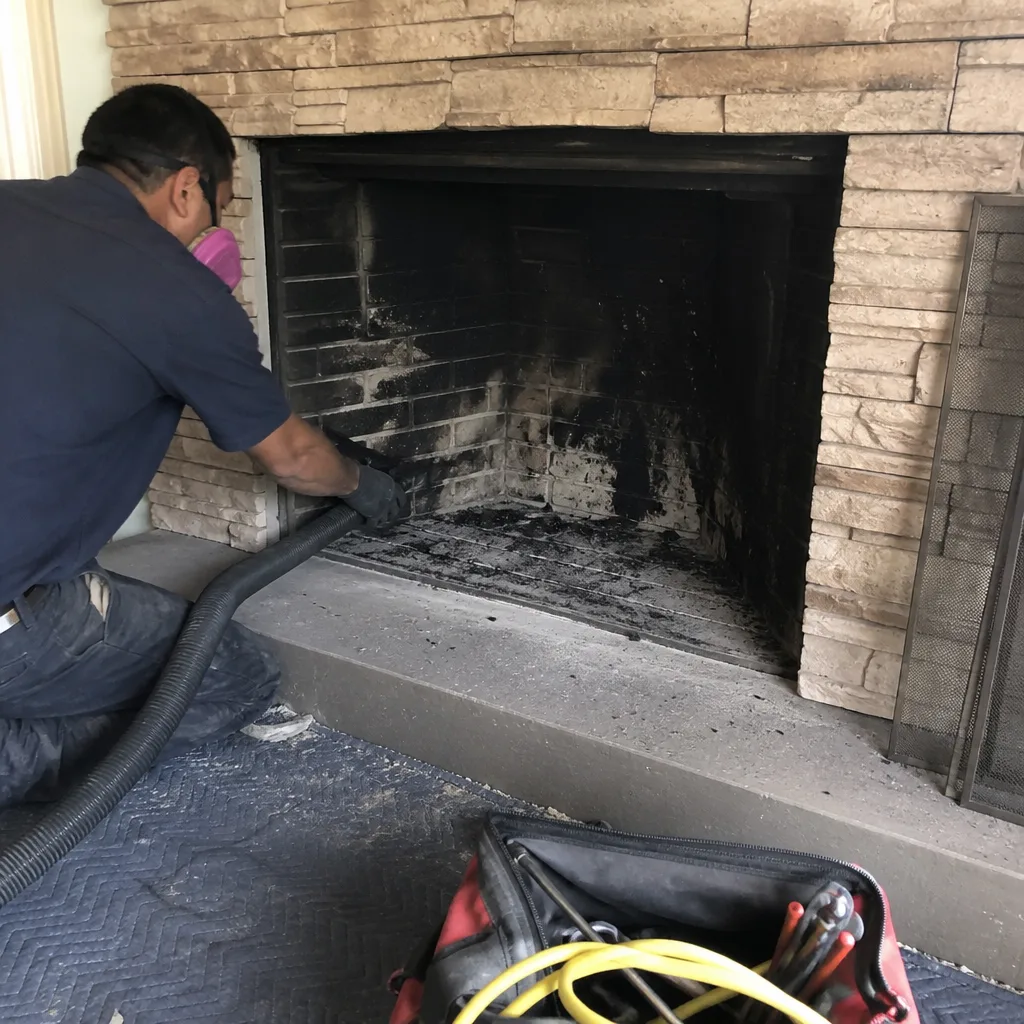 Before
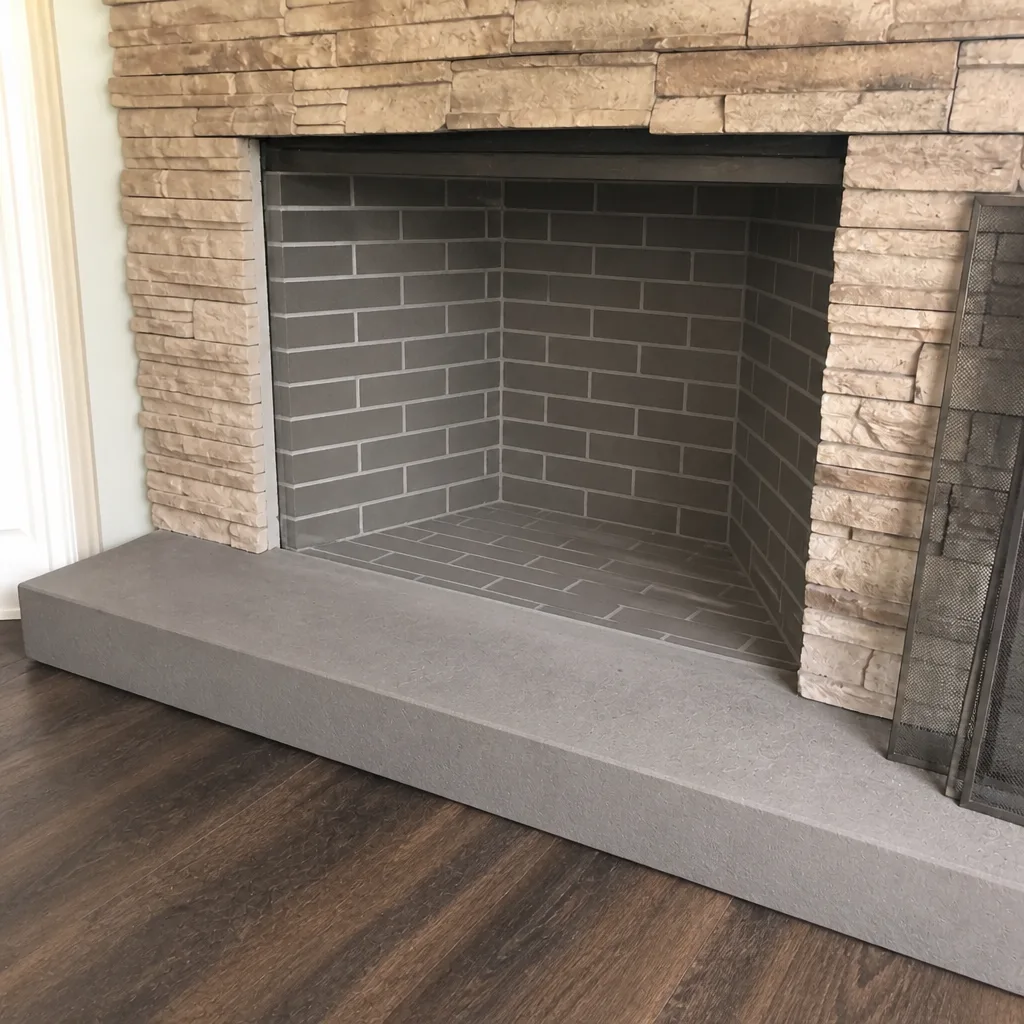 After
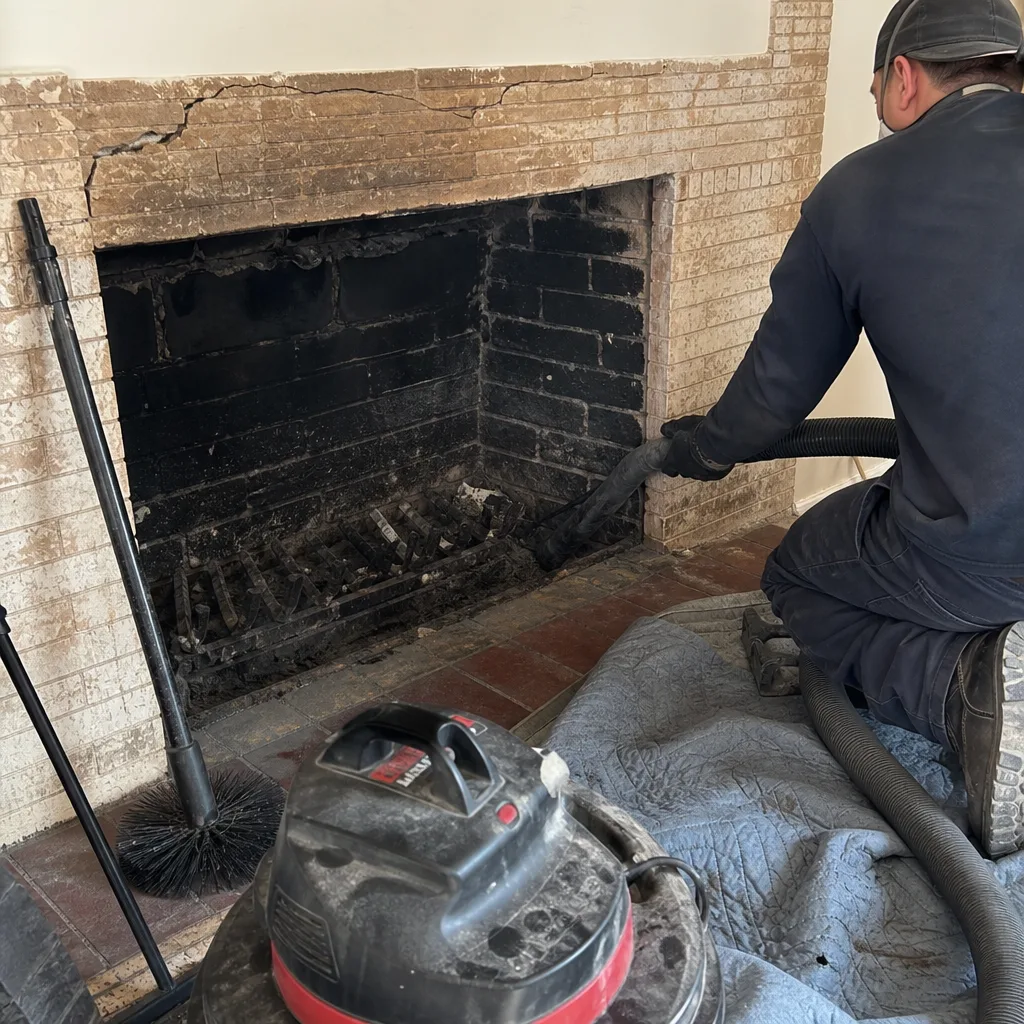 Before
 After
 Before
 After