
Last updated November 5, 2026
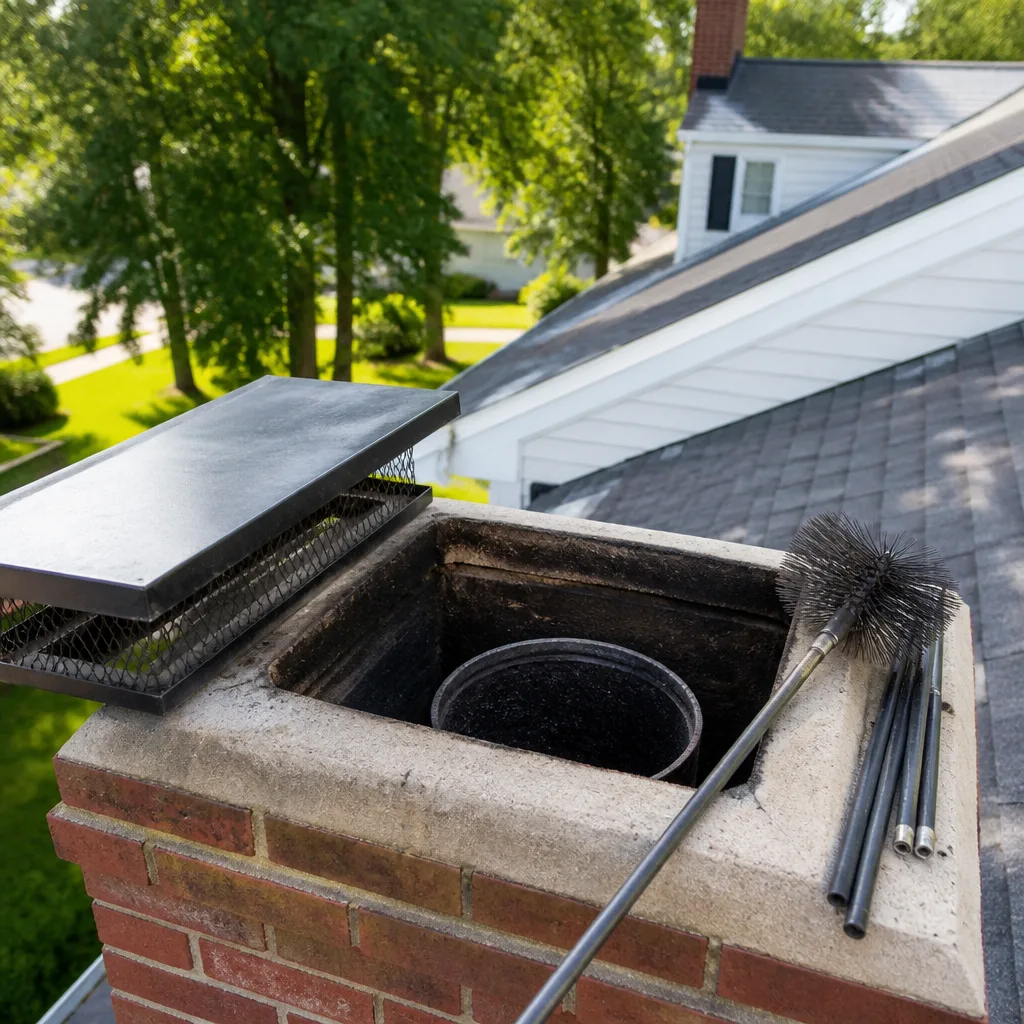 Sweep & inspection
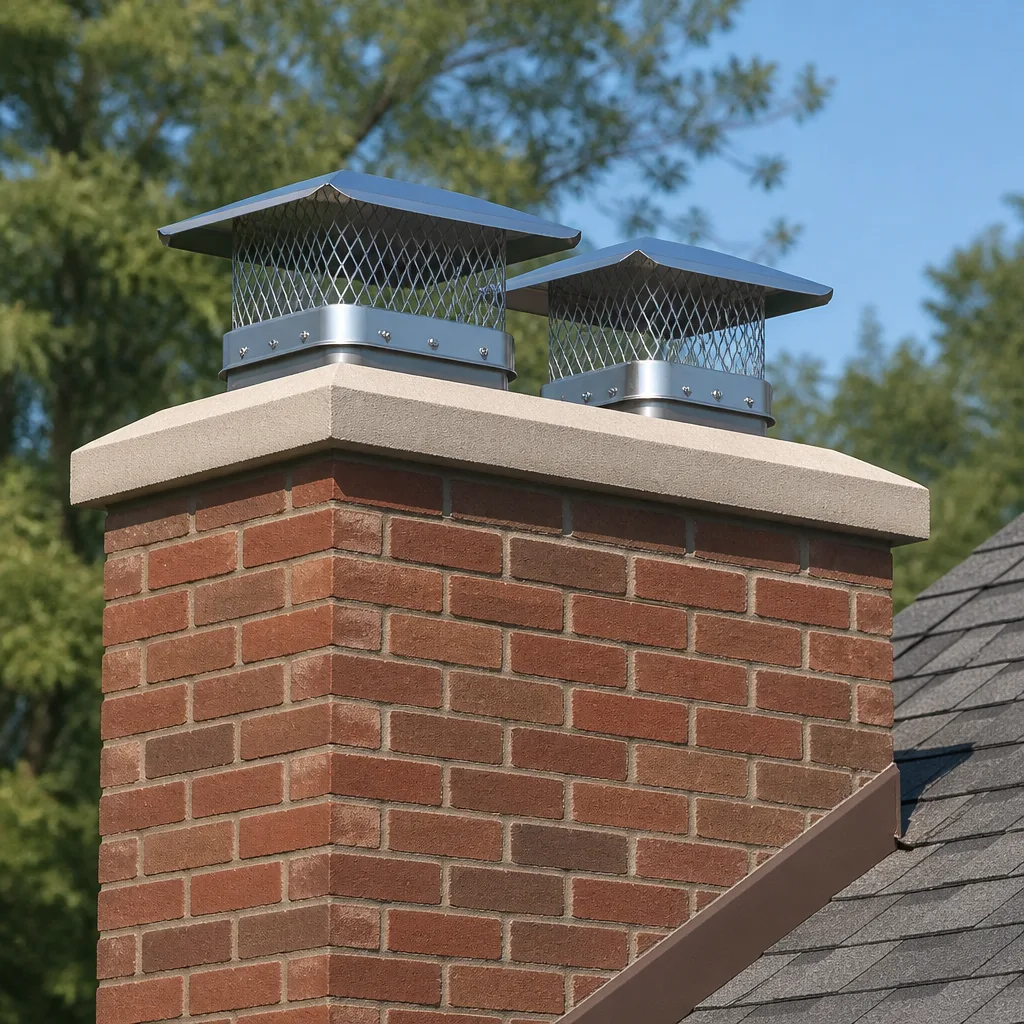 Caps & crowns
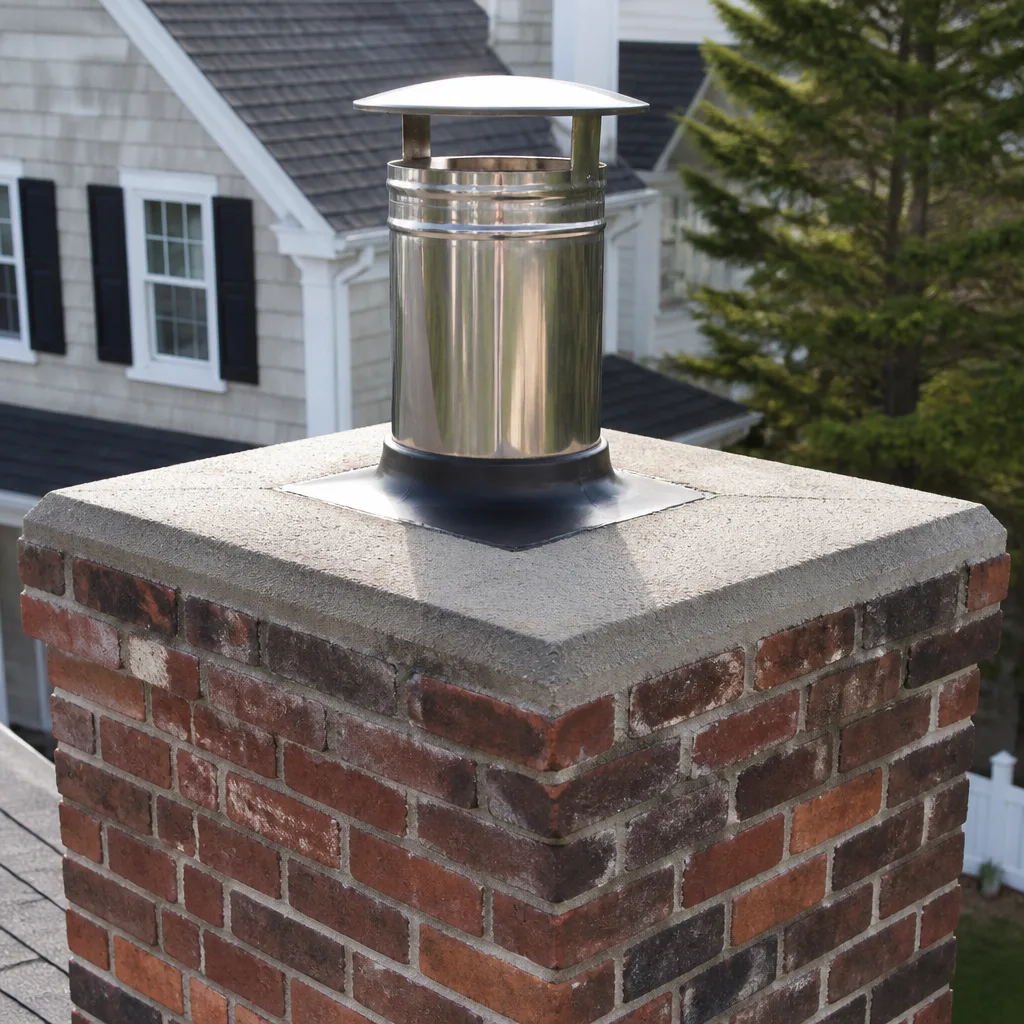 Flue relining
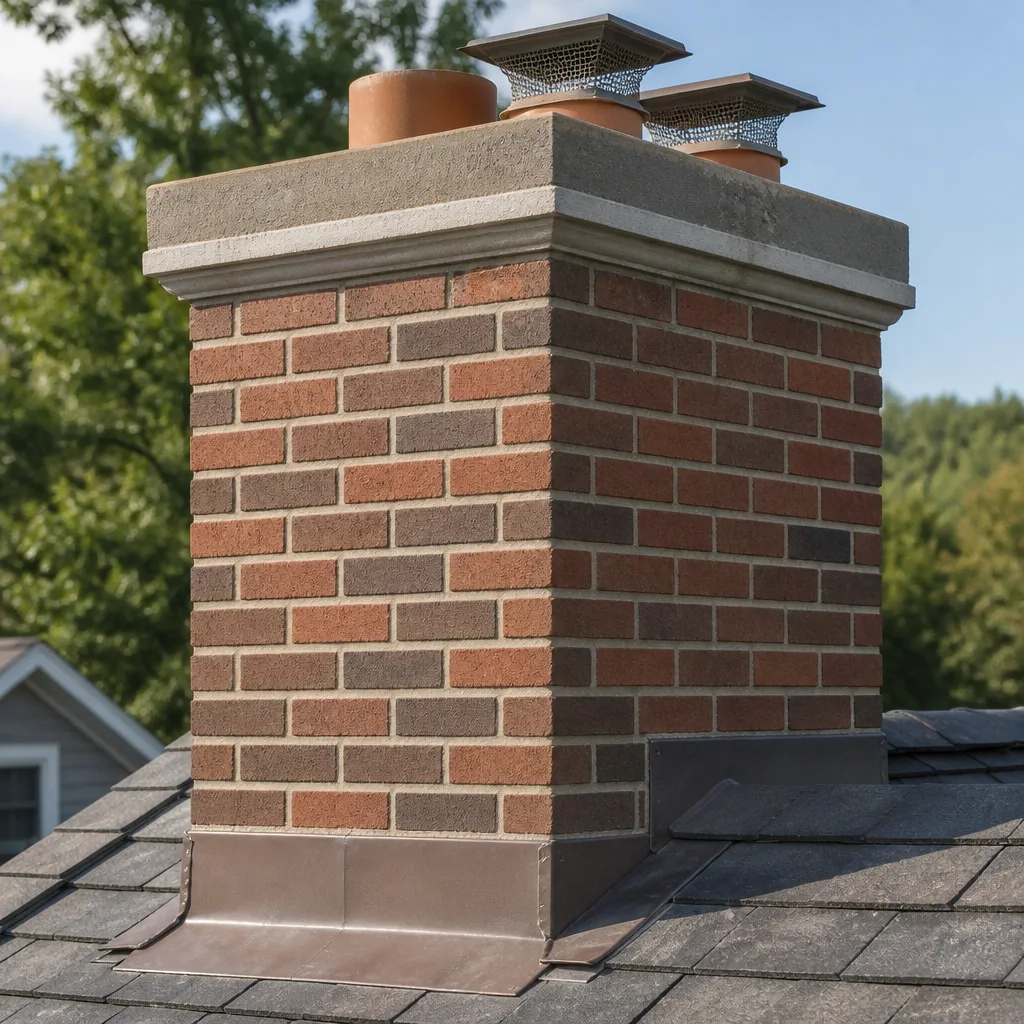 Masonry repair
 Gas fireplace service
Level 1 sweep and inspection to the NFPA 211 annual standard - flue, crown, cap, and flashing checked and photographed
Chimney sweep logs do not sweep chimneys. They loosen some creosote - which then falls where a brush and vacuum still have to collect it.
Chimney Cleaning Warning Signs: A Mission Valley Homeowner’s Reference Guide
Most Mission Valley homeowners assume a chimney problem will announce itself with smoke pouring into the living room or flames where flames shouldn’t be. The reality is quieter and more dangerous. The warning signs that actually matter show up as a faint odor on a humid morning, a fire that takes longer to catch, or a white chalky stain spreading across the exterior chase. These get written off as normal quirks of an older fireplace, right up until a carbon monoxide detector goes off or a chimney fire starts behind the walls. This guide maps each warning sign to its likely structural cause, tells you which ones demand immediate action, and which ones you can monitor, so you never have to guess whether your chimney is safe to use.
Quick Answer
The most reliable chimney cleaning warning signs in Mission Valley are a smoky or campfire-like smell indoors with no fire burning, white staining (efflorescence) on the exterior chimney chase, visible rust or staining on the firebox walls, flaking or spalling firebrick, and a fire that struggles to draw or burns noticeably weaker than it used to. These symptoms point to moisture intrusion, creosote buildup, a failing liner, or an obstructed flue. If you notice any combination of them, stop using the fireplace until a professional chimney sweep inspects the system.
Styles & brands we work with
- Sweep & inspection
- Caps & crowns
- Flue relining
- Masonry repair
- Gas fireplace service
Table of Contents
- The Odor Index: What Different Smells Actually Tell You
- Draft Behavior: Separating Normal Cold-Chimney Lag from Real Obstruction
- Visual Warning Signs on the Firebox and Interior Walls
- Efflorescence: Why White Staining Is Never Cosmetic
- Watch-and-Monitor vs. Fire-Use-Prohibited: A Decision Framework
- How Often Mission Valley Homes Actually Need a Sweep
- The Dryer Vent Parallel: A Second Warning-Sign System You’re Ignoring
The Odor Index: What Different Smells Actually Tell You
A smoky smell on a humid Mission Valley morning with no fire burning isn’t a draft quirk. It’s a negative-pressure event pulling combustion gases back through a compromised system, and it’s one of the clearest indicators of a liner or cap failure. When outside air is heavy with moisture, the air pressure inside your home shifts. A chimney that is otherwise fine will hold neutral. A chimney with a cracked liner, a missing cap, or a creosote-saturated flue will release trapped odors back into the living space. The specific character of the odor matters more than most people realize.
Smell-to-Source Mapping
- Campfire or smoky smell, no fire burning: Creosote buildup in the flue has absorbed moisture and is off-gassing. This is the most common complaint we hear in Mission Valley homes where the fireplace gets regular winter use but the chimney hasn’t been swept in several seasons.
- Sour, acrid, or chemical odor on hot days: Glazed or third-degree creosote has formed. This tar-like substance is combustible at relatively low temperatures and is a leading cause of chimney fires. The heat of a summer afternoon can be enough to release its odor through even a small liner crack.
- Musty or damp smell when the fireplace isn’t in use: Water is entering the flue, usually through a deteriorated cap or damaged crown. In Mission Valley’s mild but occasionally rainy winters, a small amount of water trapped in the flue can produce this smell for weeks.
- Natural gas or sulfur smell near a gas fireplace: This is not a cleaning issue. This is a gas leak or improper venting. Shut off the appliance and call a professional immediately. We answer 24/7 at (877) 752-2758.
One thing to be clear about: a mild smell right after the fire goes out is normal for many fireplaces, especially those that rely on natural draft rather than a powered vent. It’s the persistent smell, the one you notice when no fire has burned for days, that warrants real concern.
Draft Behavior: Separating Normal Cold-Chimney Lag from Real Obstruction
Every naturally drafted chimney has a moment on a cold morning when the air column inside the flue is moving the wrong way. Cold air is denser than warm air, and until the fire warms the flue enough to reverse the flow, you might see a small puff of smoke enter the room. This is normal cold-chimney lag. It clears in a minute or two on most Mission Valley winter mornings, because our cold isn’t that cold. What’s not normal is when the lag doesn’t clear, when the smoke keeps coming, or when the fire never seems to sit comfortably.
How to Test Draft Behavior
- Light a fire as you normally would. If smoke enters the room in small amounts and then stops within two or three minutes as the flue warms, the draft is functioning.
- Open a nearby window slightly. If the draft improves, you may have a competing air demand issue: a bathroom fan, range hood, or furnace pulling air out of the house faster than the chimney can supply it. In newer Mission Valley homes with tighter building envelopes, this is common and often solvable with a balanced damper or makeup air vent.
- If the smoke persists or the fire struggles even with a window open, the flue is obstructed. Creosote narrowing, a bird nest, a fallen cap component, or a damaged liner restricts the draft. Continued use in this condition pushes carbon monoxide back into the living space.
In our experience, Mission Valley homeowners with gas inserts are often surprised to learn that these appliances still need draft verification. A gas insert doesn’t produce creosote the way wood does, but it still vents combustion byproducts. A blocked gas insert flue is a carbon monoxide hazard that produces no visible smoke. If you notice a gas insert burning yellow instead of blue, or an unusual amount of moisture on nearby windows, treat that as a draft-behavior warning.
Visual Warning Signs on the Firebox and Interior Walls
When you look inside the firebox, you’re seeing the last line of defense. The firebox walls are designed to tolerate direct flame, but they’re not indestructible. Once you see visible rust streaks, flaking brick faces, or crumbling mortar joints, the problem has often progressed past the liner. These interior signs indicate that moisture and heat have been working on the masonry for some time.
Symptom-to-Cause: Firebox Interior
- Rust streaks running down the back wall: Water is entering from above. A failed cap, cracked crown, or gaps in the chase flashing let rain run down the flue and pool at the firebox floor. Over time this rust signals that the damper and the bottom of the liner are both corroding.
- Spalling firebrick (brick faces flaking off in layers): Repeated heating and cooling cycles, combined with absorbed moisture, cause the firebrick to break down. This is structural degradation, not a cosmetic issue. A spalled firebrick no longer protects the framing behind it from heat transfer.
- Deteriorating mortar joints (mortar crumbling or missing between bricks): This allows heat to bypass the firebox and reach combustible framing. It also signals that the firebox itself is moving slightly, which is never a good sign in a Mission Valley house sitting on expansive soils.
- Black, shiny, tar-like coating on the firebox walls (for wood-burning fireplaces): This is glazed creosote. It’s not normal. It burns hot and fast, and it signals an urgent need for a professional chimney sweep before the fireplace is used again.
- A whitish haze or crust on the firebox floor: This is evidence of past water pooling. It can be brushed away, but the source of the water still needs to be addressed or it will return.
The key point is that the firebox tells you what’s been happening for months. A liner problem may be invisible from the outside, but the firebox often shows secondary signs of the same underlying condition.
Efflorescence: Why White Staining Is Never Cosmetic
White chalky staining on the exterior chimney chase, particularly on brick or masonry chimneys, is called efflorescence, and it’s the most misread warning sign in Mission Valley. Homeowners see it and think it’s just how older masonry looks. It isn’t. Efflorescence is mineral salt that water has deposited on the surface as it moved through the masonry and evaporated. It’s physical evidence that water is actively moving through your chimney structure.
What Efflorescence Means Structurally
- It means water is getting in faster than it can dry out. The exterior surface is the last place the water reaches before evaporation carries it away. If you can see the salt, the water has been traveling through the chimney chase for months.
- It means freeze and thaw expansion is a risk. Even in Mission Valley’s mild climate, saturated masonry that sees temperature swings can develop hairline cracks. The cracks then admit more water.
- It means the crown or cap has likely failed. Efflorescence lower on the chase usually points to water entering at the top and running down. Efflorescence near the roofline often points to flashing failure where the chimney meets the roof deck.
Water-damaged chimneys don’t fail all at once. They degrade slowly, and the degradation is expensive. A cracked crown left alone becomes a cracked flue liner, which becomes a fire hazard that requires a full reline. The professional-grade fix when the liner has been damaged by water is often a HeatShield liner restoration, which can rehabilitate a compromised flue without the cost and disruption of full relining. But the cheapest fix is always the crown or cap repair before water reaches the liner at all.
Watch-and-Monitor vs. Fire-Use-Prohibited: A Decision Framework
Not every warning sign means you should board up the fireplace and never use it again. Some are earlier-stage indicators that give you time to plan a repair. Others mean the next fire is the one that causes the damage. Here’s how we distinguish them in our own service work.
Watch-and-Monitor (schedule a sweep, but you have time)
- A faint smoky smell that appears only on very humid days and then disappears: This suggests early-stage creosote absorption or a minor cap gap. Schedule a chimney sweep, but a single occurrence isn’t a stop-use emergency.
- Slight cold-chimney lag on the first fire of the season that resolves within a few minutes: This is normal draft physics. Keep an eye on it, but this is how naturally drafted chimneys behave.
- Minor efflorescence in one spot near the top of the chase: This tells you the crown needs attention, but small amounts of surface salts don’t mean the structure is compromised yet. Get it on the schedule for inspection.
- A slightly sluggish fire that still burns consistently: Creosote is likely building up, but if the fire draws and the smoke exits, you can use the fireplace carefully until the sweep is scheduled.
Fire-Use-Prohibited (do not use the fireplace until it’s inspected)
- Smoke entering the room after the first two minutes of a fire: The flue is not drafting. Continuing to use the fireplace means carbon monoxide is entering the living space.
- Any strong gas or sulfur smell near a gas fireplace, whether or not it’s running: This is a gas leak hazard. Shut it off and call us. We answer 24/7 at (877) 752-2758. Fast dispatch from 7am to 7pm, Sunday through Friday.
- Visible rust, flaking brick, or crumbling mortar inside the firebox: The firebox has been compromised. Heat transfer to surrounding framing is a risk.
- Black glazed creosote visible on the firebox or damper: This is a chimney fire waiting to happen. The fireplace is not safe to use until the flue has been professionally cleaned and the cause of the glazing addressed.
- Any smoke or odor coming from the ceiling, walls, or attic near the chimney chase: This means a breach in the flue inside a concealed space. Stop using the fireplace and call immediately.
- Wood-burning fireplace, used more than twice a week during winter: Annual sweep, no exceptions. Creosote accumulates quickly with frequent use, and a single season of heavy use is enough to create a hazard.
- Wood-burning fireplace, used occasionally (a few times a month): Sweep every two years, inspection every year. The inspection catches crown and cap problems before they turn into liner damage.
- Gas insert or gas log set, used regularly: Inspection every two to three years. Even though gas doesn’t produce creosote, the venting needs to be checked for blockages and the appliance needs a draft verification.
- Fireplace never used but still connected to the house: Inspection before you light it for the first time, and again every two to three years. A dormant chimney is where animals build nests, and where forgotten water damage accumulates unseen.
- Dryer vent: Cleaned every one to two years, more often if you dry large loads or use the dryer daily. A clogged dryer vent is one of the leading causes of residential fires, and it’s the warning-sign system almost no one thinks about. We offer dryer vent cleaning as a core service, not an upsell.
- Clothes taking longer than usual to dry: This is the single most reliable indicator. If a load that used to take 45 minutes now takes 70, the vent is clogged.
- A burning or musty smell coming from the dryer during operation: Lint is combustible and it’s already heating up. A musty smell means damp lint has been sitting in the duct, which is a different but related ventilation problem.
- The dryer exterior getting unusually hot to the touch: Heat is backing up in the appliance because the exhaust path is restricted.
- Visible lint around the exterior vent cover or the interior laundry room floor: Air is leaking past the vent connection, which means the duct is partially blocked.
- The dryer runs fine but the room is noticeably humid: Moisture isn’t exhausting properly. This is a ventilation failure that gets worse over time.
The distinction matters because the consequences aren’t symmetrical. Monitoring a slow-developing issue costs you nothing. Using a fireplace with an active liner breach or glazed creosote can cost you your house.
How Often Mission Valley Homes Actually Need a Sweep
The standard recommendation from the National Fire Protection Association is annual inspection and sweeping as needed. But Mission Valley’s climate and usage patterns create some nuance. Most Mission Valley homes use their fireplaces heavily from November through March, when the evenings cool off enough to want a fire, and then the fireplace sits dormant for half the year. That dormant period is when moisture finds its way in, and it’s why a spring or early-fall inspection often catches the work that winter use didn’t reveal.
A Practical Sweep Schedule for Mission Valley
If you’ve just moved into a Mission Valley home and don’t know when the chimney was last swept, the answer is to treat it as unswept until proven otherwise. A home inspection that tagged the chimney as “functioning” doesn’t mean it’s clean or safe. Not all inspectors go up on the roof or run a camera down the flue.
The Dryer Vent Parallel: A Second Warning-Sign System You’re Ignoring
Now a parallel that most chimney guides skip, and it’s one we care about because we live and work in Mission Valley. Your clothes dryer is a venting system. It moves hot, particulate-laden air out of your home through a duct that runs through walls and ceilings. When that duct clogs, it behaves a lot like a chimney with a blocked flue: the air no longer moves, heat builds, and combustible lint accumulates in an enclosed space. The warning signs are easy to recognize once you know them.
Dryer Vent Warning Signs
We offer dryer vent cleaning alongside chimney sweeping and repair because the two systems fail the same way. Both need unobstructed, properly sealed venting. Both are fire risks when neglected. And both are the kind of problem that stays invisible until the moment it becomes expensive or dangerous.
Common Mistakes to Avoid
- Assuming no smell means no problem. Glazed creosote and early liner cracks often produce no odor at first. Visual inspection is the only reliable way to catch them. Relying on your nose alone gives the problem a head start.
- Cleaning the firebox but not the flue. Brushing out the visible ash and soot from the firebox makes the fireplace look clean, but the creosote that matters is up in the flue where you can’t see it from inside the house. This is the most common false sense of security we encounter.
- Using chemical creosote logs as a substitute for sweeping. Those products can change the composition of creosote to make it easier to remove during a professional sweep, but they don’t remove it themselves. They’re a complement to sweeping, not a replacement.
- Painting over efflorescence to hide it. Efflorescence is water evidence, not a stain. Painting over it traps the water inside the masonry, which accelerates spalling and cracking. The fix is addressing the water source, not the cosmetic surface.
- Deferring a crown or cap repair because the fireplace still works. A fireplace can function for years while water damage accumulates in the liner. By the time the damage is visible from the inside, the repair has gone from a few hundred dollars to a full reline.
- Treating a gas fireplace as maintenance-free. Gas appliances don’t produce creosote, but their venting still clogs, their burners still soot, and their flue connections still loosen. The absence of wood doesn’t mean the absence of risk.
- Ignoring a long dry time on the dryer because it’s “always been like that.” Dryer performance degrades slowly enough that people normalize it. A load that takes 40 minutes when it used to take 30 is a measurable ventilation failure, not a new normal.
See the difference
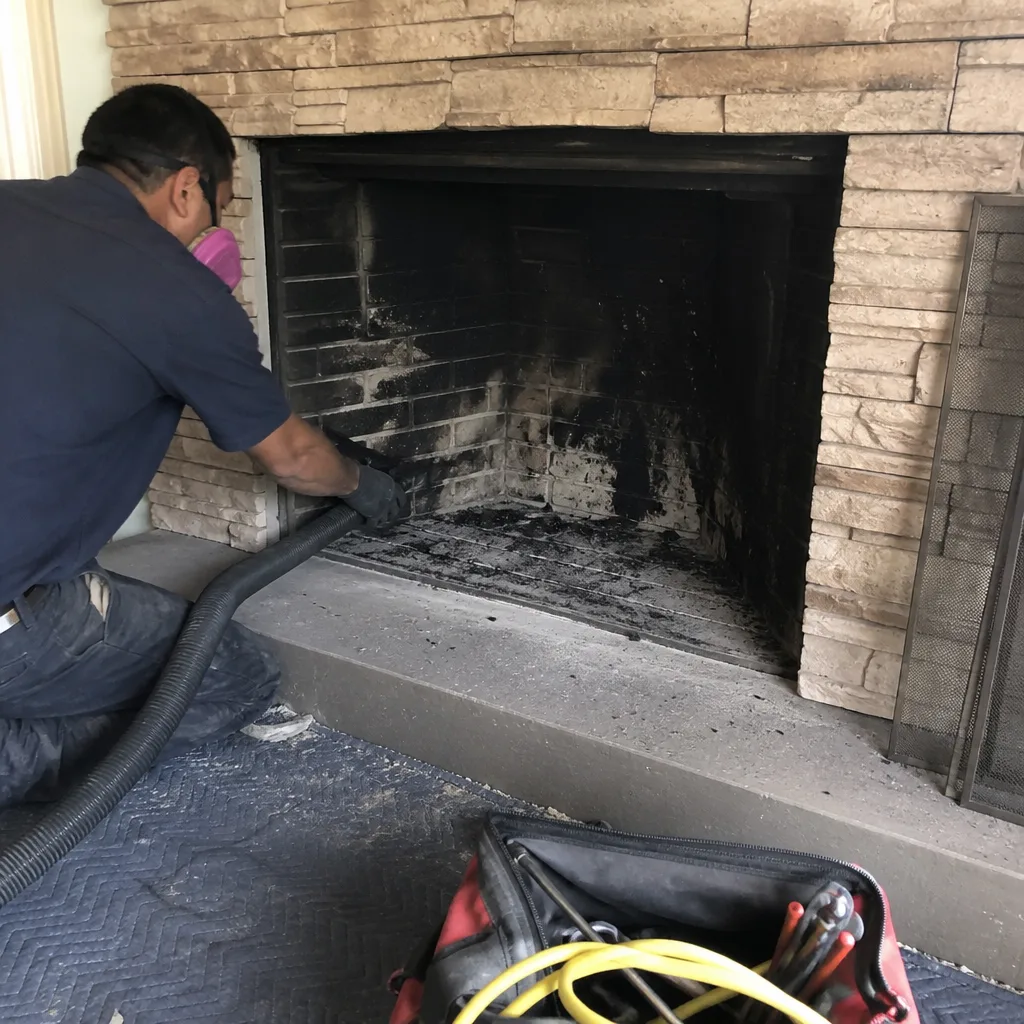 Before
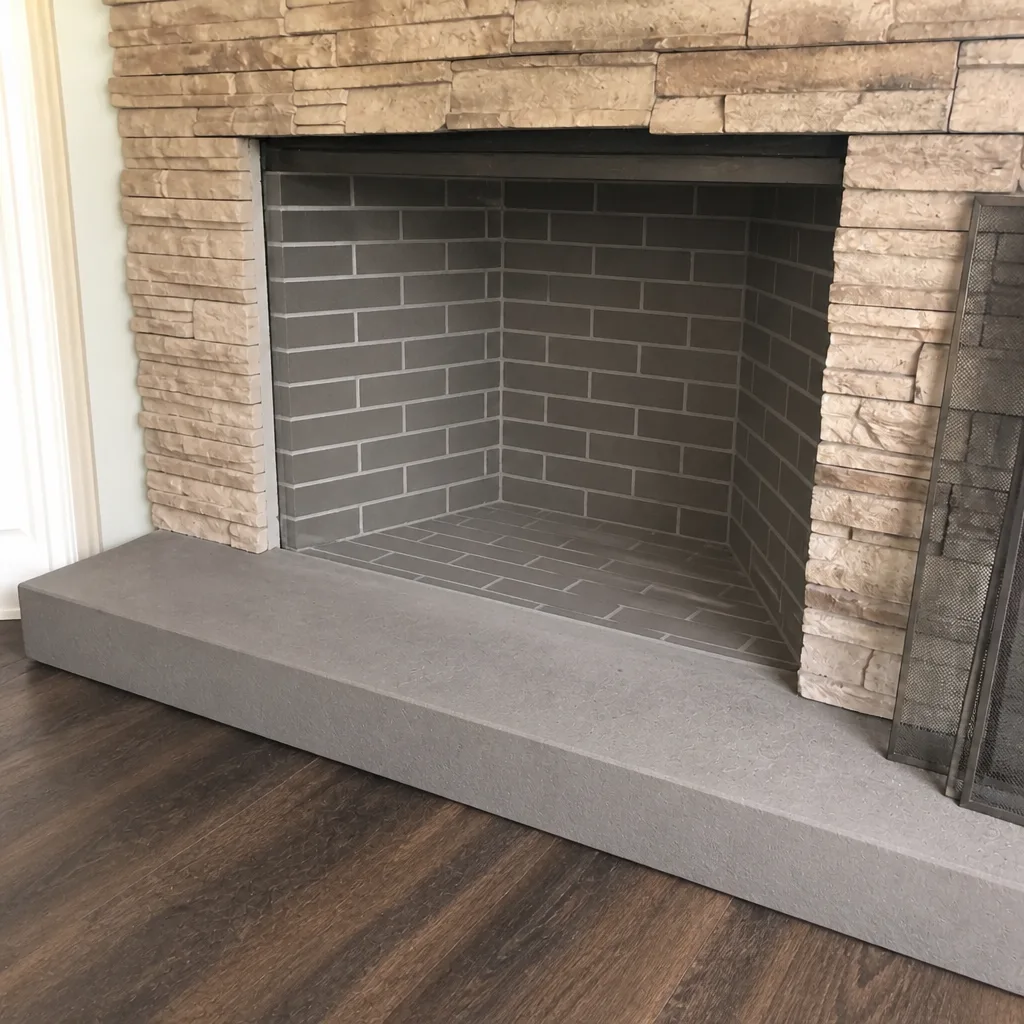 After
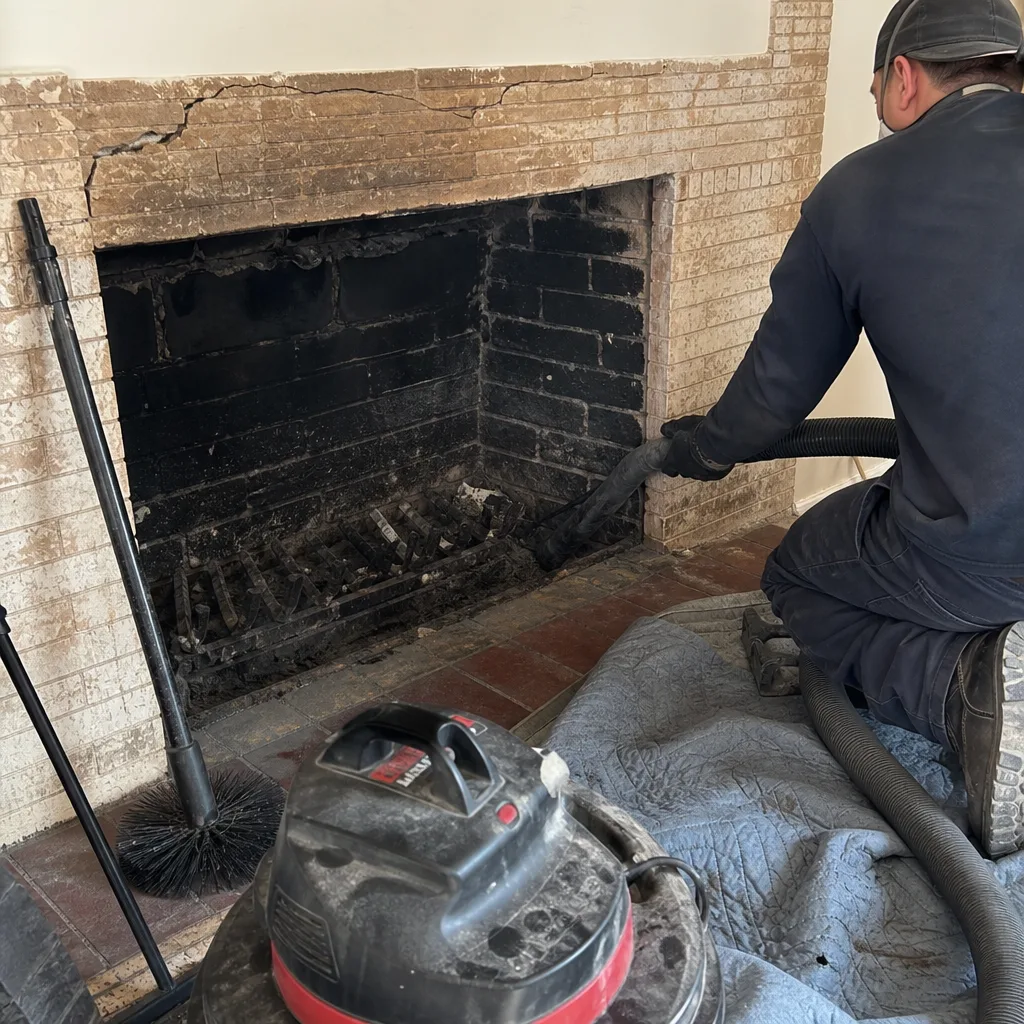 Before
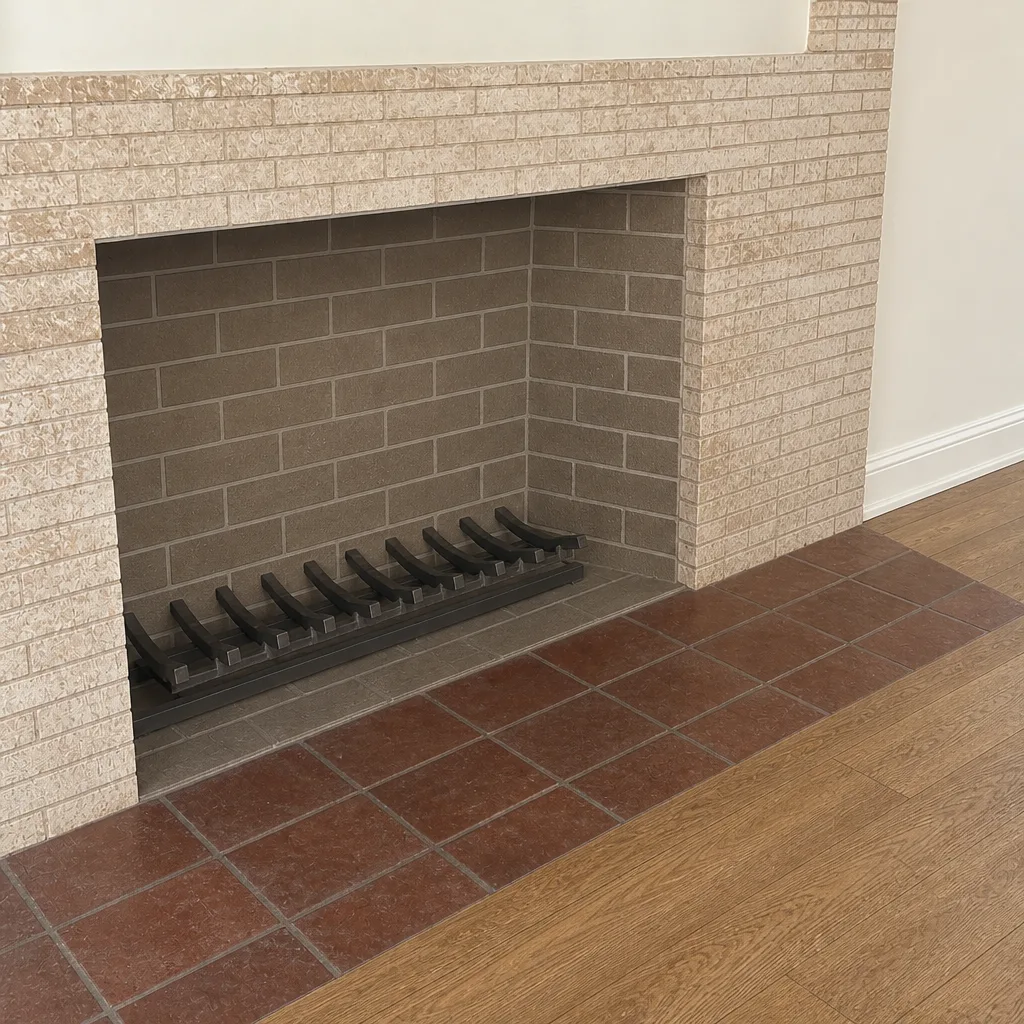 After
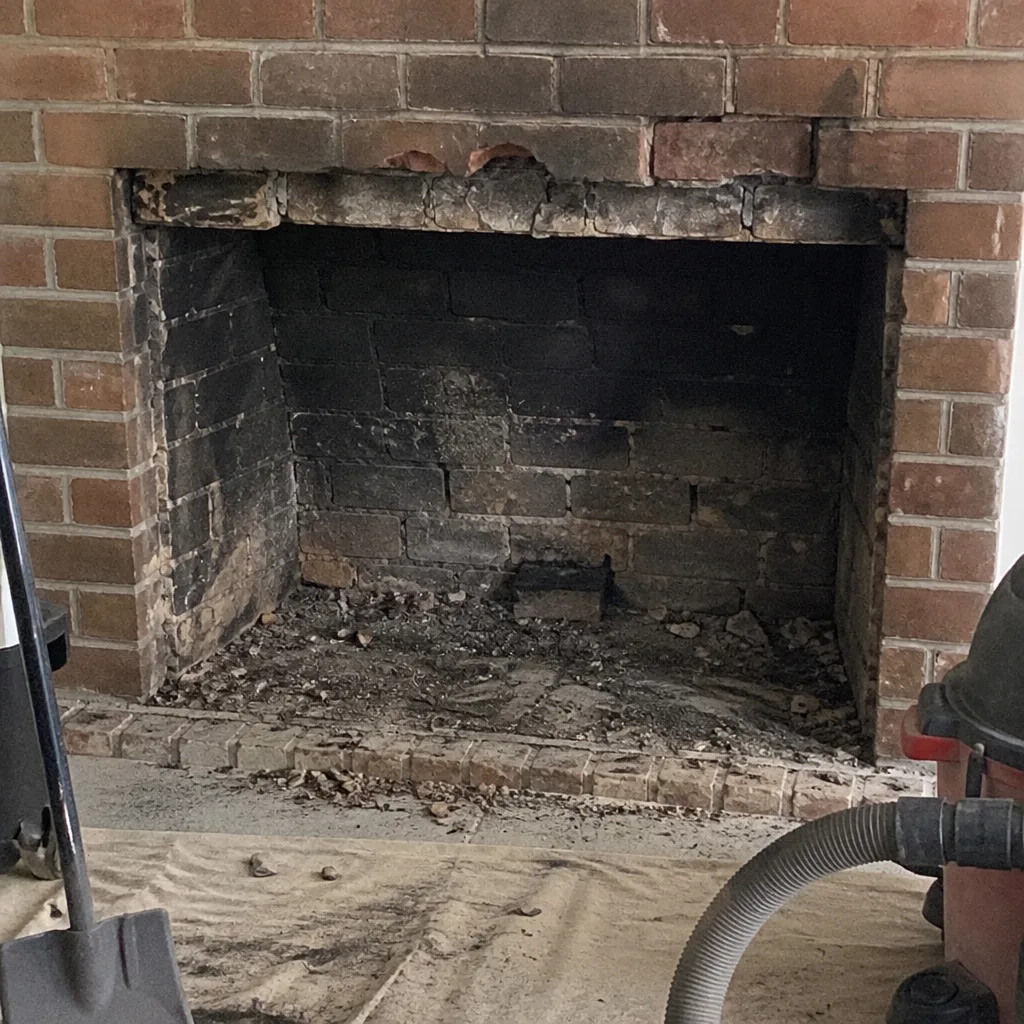 Before
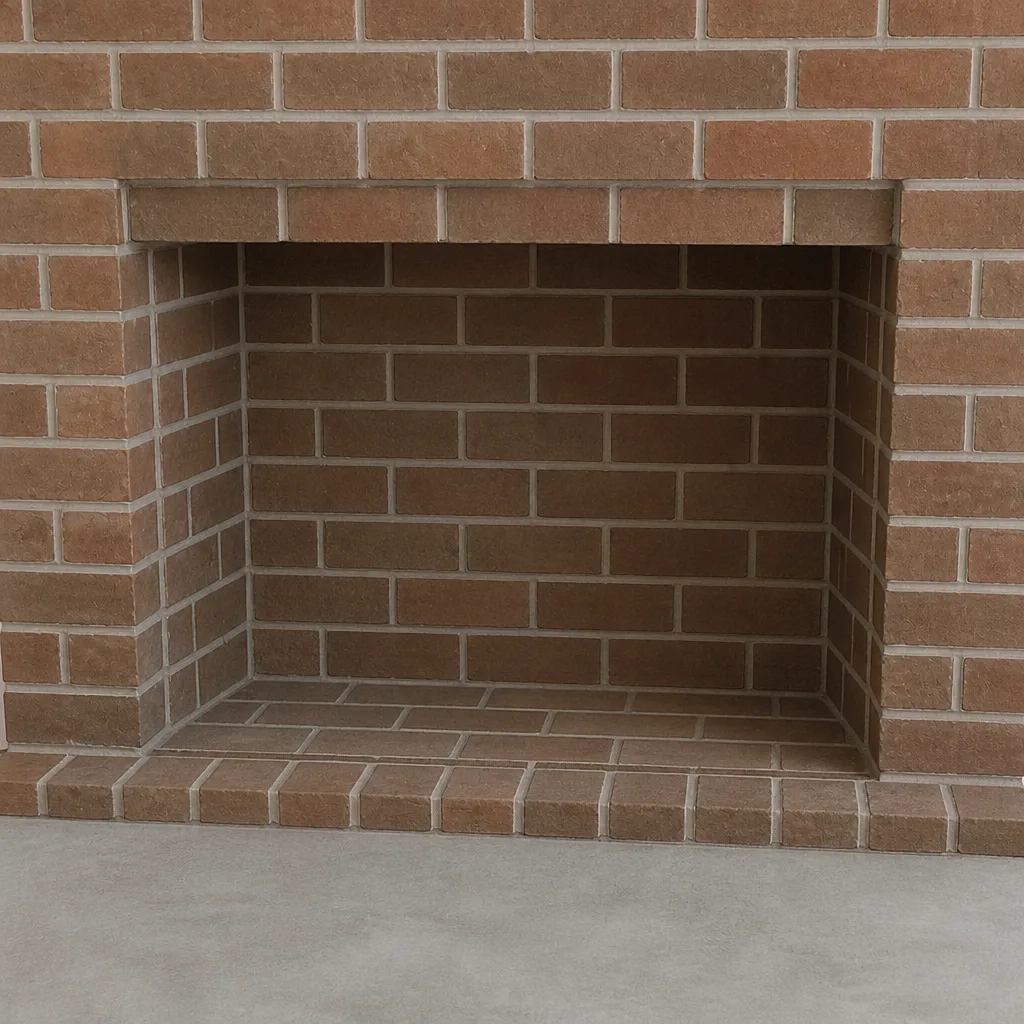 After
When to Call a Professional
Call a professional when any of the fire-use-prohibited signs appear: persistent smoke in the living space, a gas smell near a gas fireplace, visible rust or crumbled mortar in the firebox, glazed creosote anywhere in the system, or smoke from walls or ceilings near the chimney. Also call when you’ve just moved into a home and don’t have a service record for the chimney, or when your dryer has been struggling for more than a few weeks. A damp morning smell that keeps returning after you’ve opened windows and aired the room out is another call trigger. Chimney Sweep Mission Valley offers free estimates in Mission Valley, CA. Call (877) 752-2758. We answer 24/7. Fast dispatch from 7am to 7pm, Sunday through Friday.
Frequently Asked Questions
A smoky smell with no fire is almost always creosote off-gassing through a compromised liner or cap. Moisture in the flue causes the creosote to release odor back into the house, and the movement of air pressure through the home pushes it into living spaces. It’s a warning sign that the flue needs a professional inspection and sweeping, not a normal quirk of an older fireplace.
Chimney sweeping in Mission Valley is priced per job based on the condition of the flue, the type of fireplace, and the level of creosote buildup. A straightforward sweep of a well-maintained wood-burning chimney is at the lower end of the range, while a chimney with heavy glazed creosote or a gas insert that needs disassembly for cleaning will cost more. The written estimate sets the final price, and the estimate is free. Call (877) 752-2758 for exact pricing on your chimney.
If you skip a sweep, creosote accumulates in the flue and narrows the passage that vents smoke and combustion gases. At a certain thickness, creosote becomes its own fuel source and can ignite, creating a chimney fire that burns hot enough to crack the liner and transfer heat to surrounding framing. In milder cases, the buildup obstructs the draft and pushes carbon monoxide back into the living space. The damage is cumulative and often invisible until a fire or a CO incident makes it obvious.
No. An exterior visual check can catch obvious problems like efflorescence, a missing cap, or visible cracks in the crown, but it can’t reveal what’s inside the flue. Creosote buildup, liner cracks, and internal obstructions require a professional inspection, often with a camera, to identify. Relying on an exterior check alone gives a false sense of security.
Gas fireplaces need inspection and periodic cleaning, even though they don’t produce creosote. The venting can still become blocked by animal nests or debris, the burners can accumulate soot, and the flue connections can loosen. A blocked gas fireplace vent is a carbon monoxide hazard that produces no visible smoke, which makes regular inspection more important, not less. Our sweeps cover gas appliances as thoroughly as wood-burning ones.
You know by having the flue inspected with a camera. A cleaning removes creosote and reveals the liner’s actual condition. If the liner has minor cracks or gaps, it may be a candidate for a HeatShield liner restoration, which rehabilitates the existing liner without a full reline. If the liner has severe cracking, collapsed sections, or is missing altogether, a full reline with a product like a DuraFlex liner may be the appropriate fix. The camera footage tells the story, and we show it to you before recommending any work.
The Bottom Line
The chimney warning signs that matter in Mission Valley homes are usually quiet: a smell, a stain, a slower fire, a dryer that takes an extra fifteen minutes. None of them are urgent in the moment, and that’s exactly why they get ignored. The damage accumulates behind the scenes until a chimney fire or a carbon monoxide alert forces the issue. The fix is straightforward: pay attention to the signs, know which ones mean stop and which ones mean watch, and get a professional inspection when the evidence points to trouble. Mission Valley homeowners who catch these problems early spend less, avoid the fire-risk window, and keep their fireplaces working safely for years.
Written by the team at Chimney Sweep Mission Valley, serving Mission Valley since 2016.