
Last updated November 5, 2026
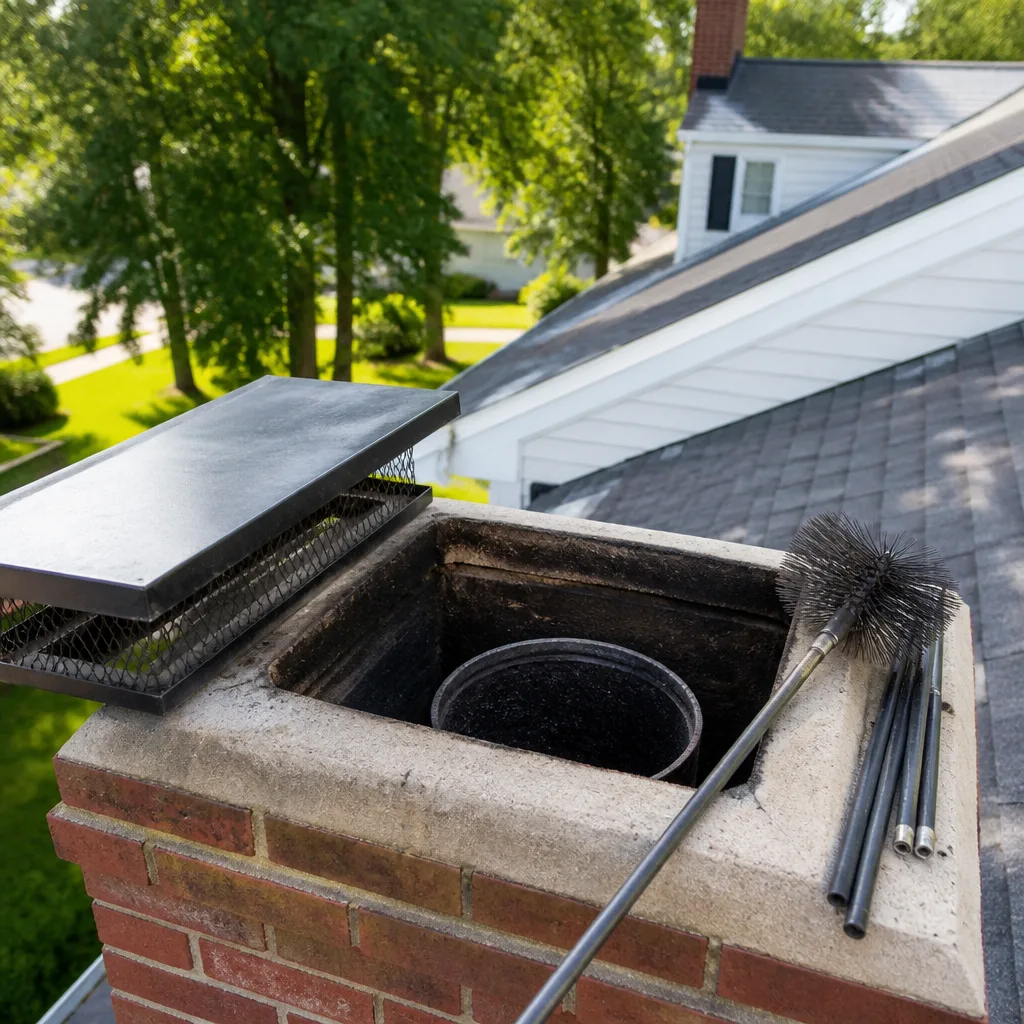 Sweep & inspection
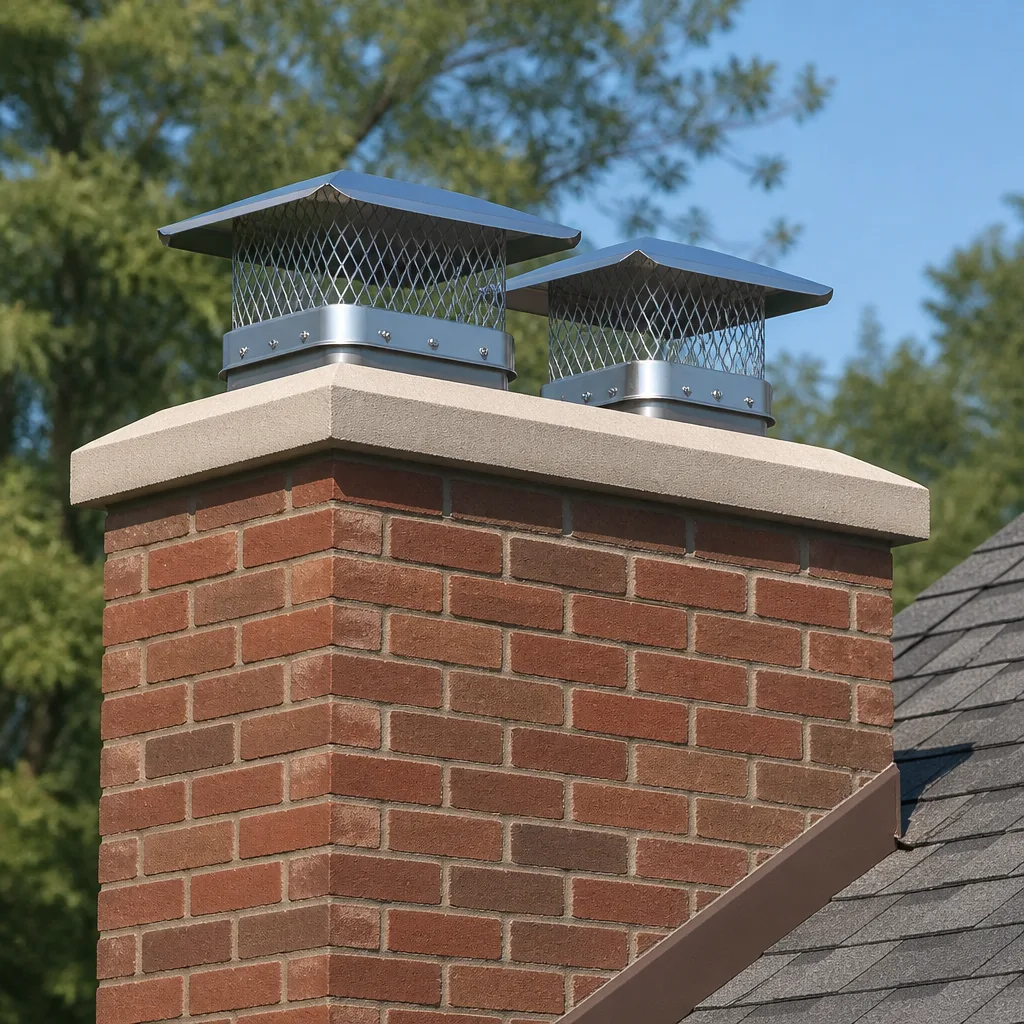 Caps & crowns
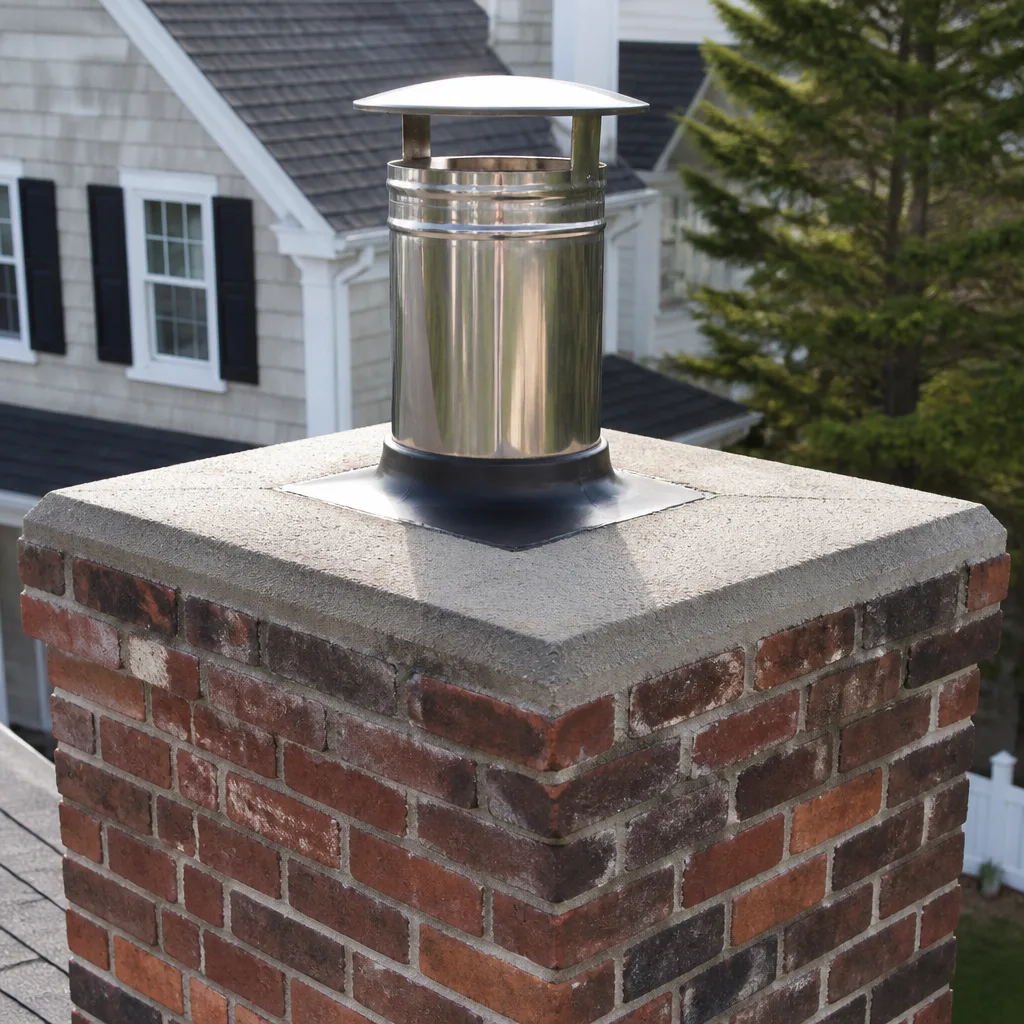 Flue relining
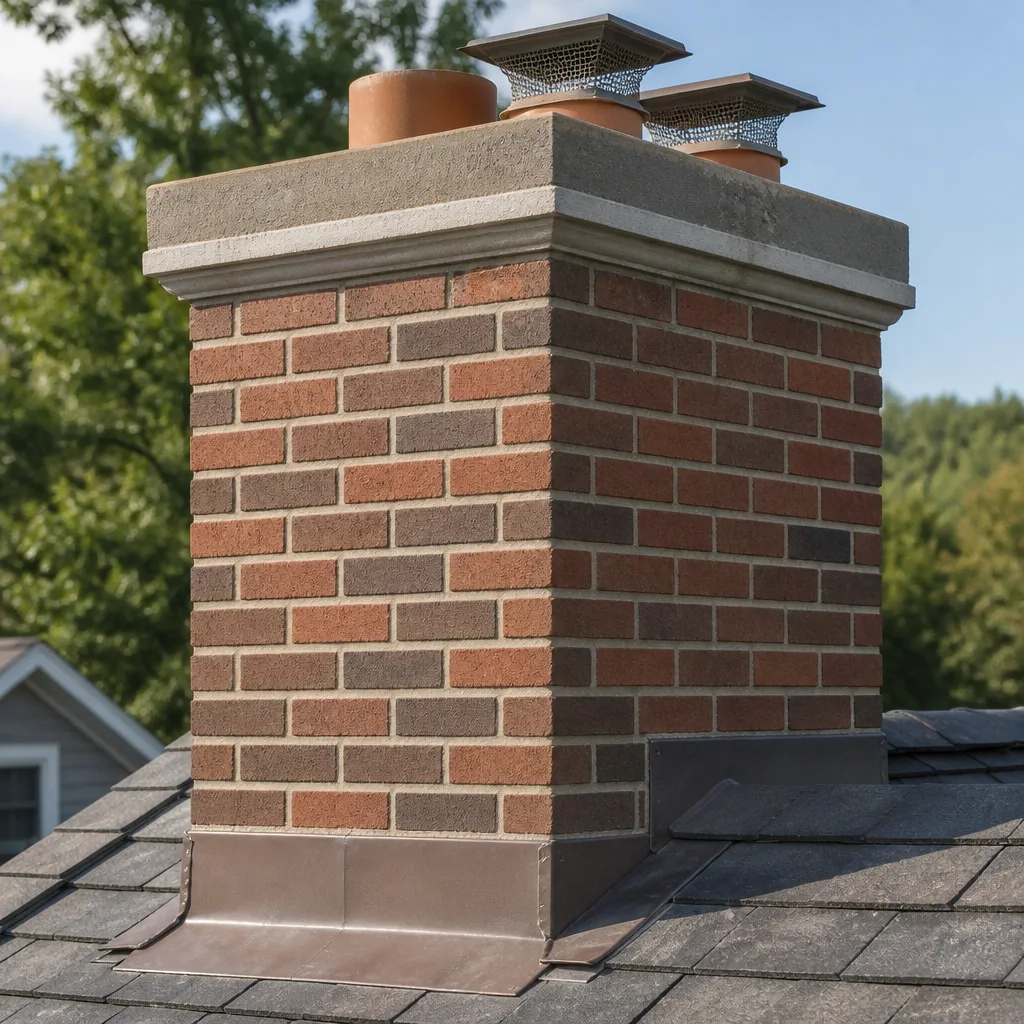 Masonry repair
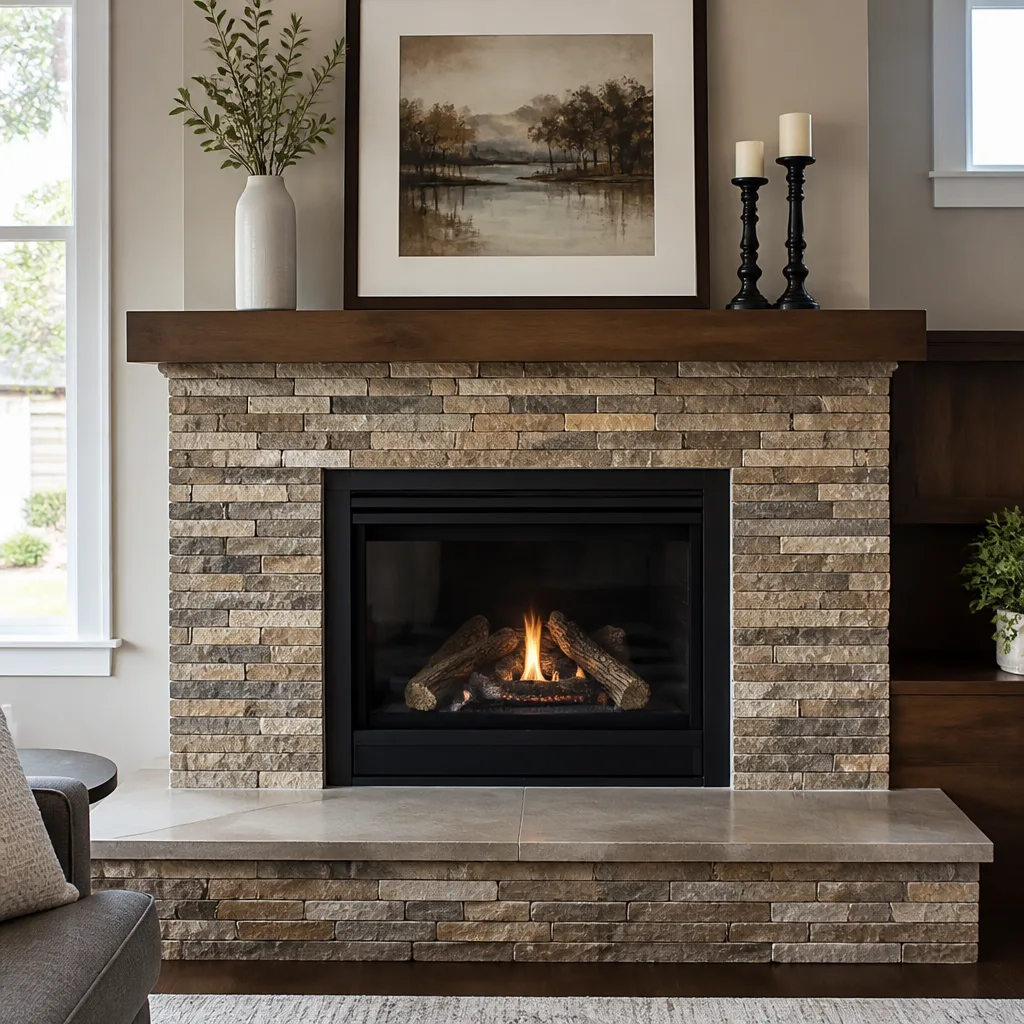 Gas fireplace service
Level 1 sweep and inspection to the NFPA 211 annual standard - flue, crown, cap, and flashing checked and photographed
Chimney sweep logs do not sweep chimneys. They loosen some creosote - which then falls where a brush and vacuum still have to collect it.
Choosing the Right Chimney Cleaning Brand: A Buyer’s Guide for Mission Valley
Most homeowners in Mission Valley spend more time researching which coffee maker to buy than which materials go into their chimney repair. That’s understandable, but it’s also backwards. A stainless steel liner sold at a big-box store and a DuraFlex liner installed by a certified contractor can look identical on an invoice, yet only one carries a UL 1777 listing, a transferable warranty, and material specifications that meet California’s venting code requirements. The brand name on your chimney components isn’t marketing fluff. It’s the difference between a repair that lasts fifteen years and one that fails in three. This guide explains how to evaluate chimney cleaning and repair brands the way a specialist does, so you can ask the right questions before you sign an estimate.
Quick Answer
The right chimney cleaning brand for Mission Valley homes is one that sources materials from professional-grade manufacturers like DuraFlex for liners, HeatShield for restoration, and Gelco or Olympia Chimney for caps and chase covers. These brands carry UL listings and CARB compliance that hardware-store substitutes lack. Beyond the brand name itself, you want a contractor who stocks these materials on the truck, provides written documentation of what’s being installed, and can explain why the specific product matches your chimney’s configuration and California code requirements.
Styles & brands we work with
- Sweep & inspection
- Caps & crowns
- Flue relining
- Masonry repair
- Gas fireplace service
Table of Contents
- Why the Brand on Your Chimney Components Actually Matters
- The Professional-Grade Brands Worth Knowing in Mission Valley
- UL Listing and CARB Compliance: The California-Specific Certifications
- How to Read a Material Spec Sheet or Invoice
- The Warranty Difference Between OEM and Commodity Parts
- Seven Questions to Ask Any Chimney Contractor
- HeatShield Restoration: When the Brand Changes the Whole Repair Method
- Dryer Vent Materials: The Other Brand Decision Hiding in Your Laundry Room
Why the Brand on Your Chimney Components Actually Matters
The materials inside your chimney are doing serious work. A flue liner contains combustion gases at temperatures that can exceed 1,000 degrees Fahrenheit during a chimney fire, even if the fire itself never spreads beyond the flue. A chimney cap sits in direct sun, wind, and whatever weather Mission Valley throws at it, year after year. The difference between a properly manufactured stainless steel liner and a cheaper import isn’t cosmetic. It’s metallurgical.
Professional-grade brands like DuraFlex manufacture their liners to specific alloy standards, with consistent wall thickness and seam construction tested to meet UL 1777 performance requirements. That listing means the liner has been tested as a complete system, not just as a length of metal pipe. When a contractor installs a listed system according to the manufacturer’s instructions, the result is a repair that can actually be warranted. When someone substitutes a generic liner of unknown alloy and thickness, no manufacturer stands behind it, because no manufacturer’s name is on it.
Here’s what we mean in practical terms. The brand matters because it tells you whether:
- The material was manufactured to a documented standard that California inspectors recognize
- The product carries a warranty that the manufacturer will actually honor through a professional channel
- The contractor has been trained on proper installation methods for that specific product
- The repair will hold up to the temperature cycling and combustion byproducts your specific fuel type produces
- The components are listed for use together, rather than assembled from mismatched parts
In Mission Valley, where many homes have fireplaces that see seasonal use rather than constant winter burning, the materials matter in a specific way. A chimney that sits dormant for months still absorbs moisture, still hosts the acidic residue from the last fire, and still expands and contracts with temperature swings. Cheap materials degrade faster in that intermittent-use pattern because the corrosion cycle starts and stops repeatedly. Professional-grade stainless holds up better to that reality.
The Professional-Grade Brands Worth Knowing in Mission Valley
You don’t need to memorize a catalog to make a smart decision, but knowing a few names helps you recognize when a contractor is using pro-channel materials versus whatever the local supply store had on the shelf. These are the brands that come up repeatedly in full-scope chimney work, and each has a specific role.
DuraFlex is the workhorse brand in flexible chimney liner systems. DuraFlex makes stainless steel and aluminum liners used in relining projects, and they’re one of the most specified brands among certified chimney professionals. When a chimney sweep discovers a deteriorated clay tile liner and recommends relining, a DuraFlex system is often what goes in. The brand is known for consistent alloy quality, proper seam welds, and UL 1777 listing on their stainless liner systems.
HeatShield is a different category entirely. It’s a restoration product, not a liner. HeatShield is a cerfractory material, a ceramic-cement compound that gets applied to the interior of a damaged flue to seal cracks and restore structural integrity without tearing out the old liner. It’s the product that makes liner restoration possible as an alternative to full relining in many situations. We carry HeatShield because it lets us offer a repair path that’s genuinely less invasive than a full reline when the underlying liner is still viable.
Gelco and Olympia Chimney both manufacture caps, chase covers, and termination components. These are the parts that keep rain, birds, and debris out of your flue. A proper cap isn’t a one-size-fits-all piece of sheet metal. It’s sized to your flue dimensions, rated for your fuel type, and built to handle the heat and weather exposure of its location. Both Gelco and Olympia make products that meet those standards, and both are readily available through professional distribution channels.
Famco and Copperfield round out the picture with venting components, fasteners, tools, and accessories that meet code requirements. These aren’t the glamorous parts of a chimney system, but using proper venting termination and connection products matters for the same reason using a proper liner does: the system has to perform as a system.
UL Listing and CARB Compliance: The California-Specific Certifications
California has its own relationship with chimney and venting materials, and it’s more stringent than most of the country. Two certifications matter more than any others when you’re evaluating materials: UL listing and California Air Resources Board (CARB) compliance.
UL 1777 is the safety standard for chimney liners in the United States. A UL 1777 listed liner has been tested for resistance to the specific failure modes that cause chimney fires: flame penetration, structural collapse under high heat, and the ability to contain a fire within the flue without allowing it to spread to surrounding combustibles. When you see UL 1777 on a liner spec sheet, that means the product has passed third-party testing, not just a manufacturer’s internal quality check. Professional-grade brands like DuraFlex publish their UL listings. Generic import liners often don’t carry the listing at all, or carry a listing that references a different standard entirely.
CARB compliance matters because California regulates emissions from residential wood burning. The California Air Resources Board sets performance standards for wood-burning appliances and, by extension, the venting systems that serve them. A properly functioning chimney with a properly listed liner burns more efficiently and produces fewer particulates. CARB compliance is also a signal that the manufacturer has gone through California’s regulatory process, which can be more demanding than federal minimums.
Here’s the practical takeaway for a Mission Valley homeowner. When your contractor specifies a liner or component, ask for the UL listing number. A reputable contractor can provide it. If the answer is vague, that’s a red flag, not because the contractor is dishonest, but because they may not be sourcing from professional channels where documentation comes standard.
How to Read a Material Spec Sheet or Invoice
You don’t need to be an engineer to verify that professional-grade materials are being used. You just need to know what to look for. Here’s a step-by-step approach to reading a contractor’s material spec sheet or invoice, in order of what matters most.
- Look for the brand name first. The invoice should say DuraFlex, HeatShield, Gelco, Olympia Chimney, Famco, or Copperfield, depending on what’s being installed. If it says “stainless liner” or “chimney cap” without a manufacturer name, ask for the spec sheet.
- Check for the UL listing number. For a stainless steel liner, you want to see UL 1777. For a cap, the listing may reference a different standard, but there should be some third-party certification noted.
- Verify the alloy and thickness. Professional-grade stainless liners are typically 316L alloy for wood-burning applications, with wall thickness listed in the spec sheet. If those numbers aren’t on the documentation, the product hasn’t been specified clearly enough for you to verify what you’re paying for.
- Confirm the system parts match. A chimney liner isn’t just the flex pipe. It includes connectors, tee sections, top plates, and termination caps. The invoice should show that these components come from the same manufacturer or are cross-listed for use together.
- Ask for the manufacturer’s installation instructions. Every professional-grade product ships with installation documentation. If your contractor is installing a listed system, those instructions exist and your contractor should have them.
In our experience, the contractors who provide this documentation without being asked are the ones who buy from professional distribution channels. The ones who can’t produce it are usually sourcing from retail or surplus channels where documentation doesn’t come with the product. That doesn’t automatically mean the work will fail, but it does mean you’re taking on risk you don’t need to take.
The Warranty Difference Between OEM and Commodity Parts
Here’s a scenario worth understanding. You have a liner installed in 2025. In 2028, a seam fails or the liner develops a crack. What happens next depends entirely on what was installed and how it was purchased.
A professional-grade liner from DuraFlex carries a manufacturer’s warranty, typically ranging from limited lifetime to a set number of years depending on the specific product and application. The manufacturer stands behind the product because they know it was manufactured to spec, listed to standard, and sold through a trained channel. When a failure occurs under warranty conditions, the manufacturer has a process for addressing it, and your contractor can navigate that process.
A commodity liner purchased from a retail outlet carries whatever warranty the retailer offers, which is usually nothing beyond a return window. No manufacturer’s name is attached, so no manufacturer has a warranty obligation. If the liner fails in year three, the entire replacement cost falls on you. The money saved upfront evaporates, often several times over.
The same logic applies to caps, chase covers, and venting components. Professional-channel products have warranty documentation that traces back to a manufacturer with a U.S. presence and a distribution network. That’s not a guarantee against failure, but it’s a mechanism for resolution when something goes wrong. It’s also a signal about the manufacturer’s confidence in their own product. Companies don’t offer long warranties on products they expect to fail.
Seven Questions to Ask Any Chimney Contractor
The best way to evaluate a chimney contractor in Mission Valley is to ask questions that reveal how they source materials and approach quality control. Here are the seven we’d want any homeowner to ask, including ourselves.
- What brands do you use for liners, caps, and restoration products? A contractor who names DuraFlex, HeatShield, Gelco, or Olympia Chimney immediately demonstrates professional-channel sourcing. A contractor who says “whatever’s standard” or “stainless steel” without a name is either hiding something or doesn’t know, and neither answer is reassuring.
- Can you show me the UL listing or product documentation for what you’re installing? This is the single most effective question you can ask. Professional materials come with documentation. If it’s not available, walk away.
- Do you carry repair materials on the truck, or do you source them after the diagnosis? A contractor who stocks professional-grade liners, caps, and restoration products on the truck can typically complete the work in one visit. A contractor who has to order everything after the fact may be substituting materials based on what’s available quickly, which affects both quality and timeline.
- What’s your process for verifying the liner condition before recommending a repair? The right answer involves a camera inspection. You should see the evidence for yourself, not take someone’s word for it. A contractor who recommends thousands of dollars of work without showing you the video is asking you to trust them without verification.
- Is the work warrantied by the manufacturer, the contractor, or both? Both is what you want. The manufacturer’s warranty covers the product. The contractor’s workmanship warranty covers the installation. If only one exists, understand what you’re giving up.
- How do you handle code compliance for Mission Valley specifically? Chimney and venting requirements can vary by jurisdiction. A local contractor should know what the local inspectors look for and how to make sure the work passes the first time.
- What’s your experience with liner restoration versus full relining? A contractor who only knows full relining will always recommend full relining, even when a less invasive HeatShield restoration would solve the problem. A contractor who offers both can recommend the right method for the specific condition of your flue.
HeatShield Restoration: When the Brand Changes the Whole Repair Method
HeatShield deserves its own section because it represents a fundamentally different approach to chimney repair. Traditional relining involves removing the old flue material and installing a new liner, either flexible stainless steel or a cast-in-place system. It works, but it’s invasive and expensive. HeatShield offers an alternative path when the existing liner is still structurally sound but has developed cracks, gaps, or spalling that allow heat and gases to reach surrounding materials.
The HeatShield process involves cleaning the flue, applying a specialized cerfractory sealant to the damaged areas, and allowing it to cure into a firm, heat-resistant surface that restores the liner’s integrity. It’s not the right solution for every chimney, but when it is, it can save thousands of dollars compared to full relining and preserve more of the original system.
Here’s why the brand matters here specifically. HeatShield is a proprietary product with a defined process. It’s only available through certified applicators who have completed the manufacturer’s training. A generalist contractor can’t just pick up a bucket of HeatShield at the hardware store and apply it to your flue. The brand itself is a form of quality control, because it limits who can use the product to people who have demonstrated they know how.
For Mission Valley homeowners, this matters because our older housing stock often has clay tile liners that are deteriorating but not yet failed. Those homeowners frequently get told they need a full reline when what they actually need is restoration. The difference in cost is significant, and the difference in disruption is even more so. Knowing about HeatShield means knowing there’s a middle path between “leave it alone” and “tear it out.”
Dryer Vent Materials: The Other Brand Decision Hiding in Your Laundry Room
Most people don’t think of their dryer vent as a chimney system, but it functions the same way. It carries hot air, lint, and moisture from an appliance to the outside. When the vent is made of the wrong material or installed incorrectly, the consequences are serious. The U.S. Fire Administration has identified dryer vent fires as one of the leading causes of residential fires, and the overwhelming majority of those fires trace back to lint accumulation in improper vent materials.
The brand decision matters here too. Proper dryer vent cleaning involves not just removing lint but verifying that the vent itself is the right material and configuration. Flexible foil or plastic venting, the kind you can find at any hardware store, is a known fire hazard and often fails code. Rigid metal venting, properly routed and sealed, is the correct material. The same principle applies to dryer vents as to chimneys: professional-grade materials, specified correctly, installed properly, and maintained regularly.
Famco and Copperfield both manufacture dryer vent components that meet the relevant standards. They’re not brands most homeowners know by name, but they’re the brands that professional contractors use because they perform correctly and hold up over time. When we do a dryer vent cleaning in Mission Valley, part of the service is verifying that the venting itself is proper. If it isn’t, we can replace it with the right materials on the same visit.
Common Mistakes to Avoid
- Choosing the lowest estimate without comparing materials. A $200 difference in a chimney liner quote usually means different materials are being specified. Ask what brands are included before comparing prices, because price without material specs is meaningless.
- Assuming all stainless steel is the same. The alloy matters. 316L stainless resists the chlorides present in combustion gases from wood and gas. Lower-grade stainless, or unspecified alloys, may not. Professional brands publish alloy data. Commodity products often don’t.
- Skipping the camera inspection. A contractor who recommends a liner replacement without showing you the camera footage is asking you to make a major purchase on faith. Any professional in Mission Valley has a camera and will show you what they’re seeing.
- Ignoring the cap and termination. The liner gets most of the attention, but a failing cap or chase cover is what lets water into the system and corrodes everything else, including the liner you just paid to install. Use quality termination products from Gelco or Olympia Chimney and replace them when they fail.
- Neglecting the dryer vent. Homeowners who maintain their fireplace chimney meticulously often forget the dryer vent entirely. It’s a kiln-dried lint fire waiting to happen, using materials that were never meant for that heat load.
- Trusting verbal claims over written documentation. If a contractor says they use pro-grade materials, ask for the spec sheet. Verbal claims cost nothing. Documentation is verifiable.
- Waiting until the chimney shows visible damage. By the time you see cracks, spalling, or rust, the damage has been happening for years. Regular inspection catches these issues early, when restoration like HeatShield is still an option and full relining isn’t yet necessary.
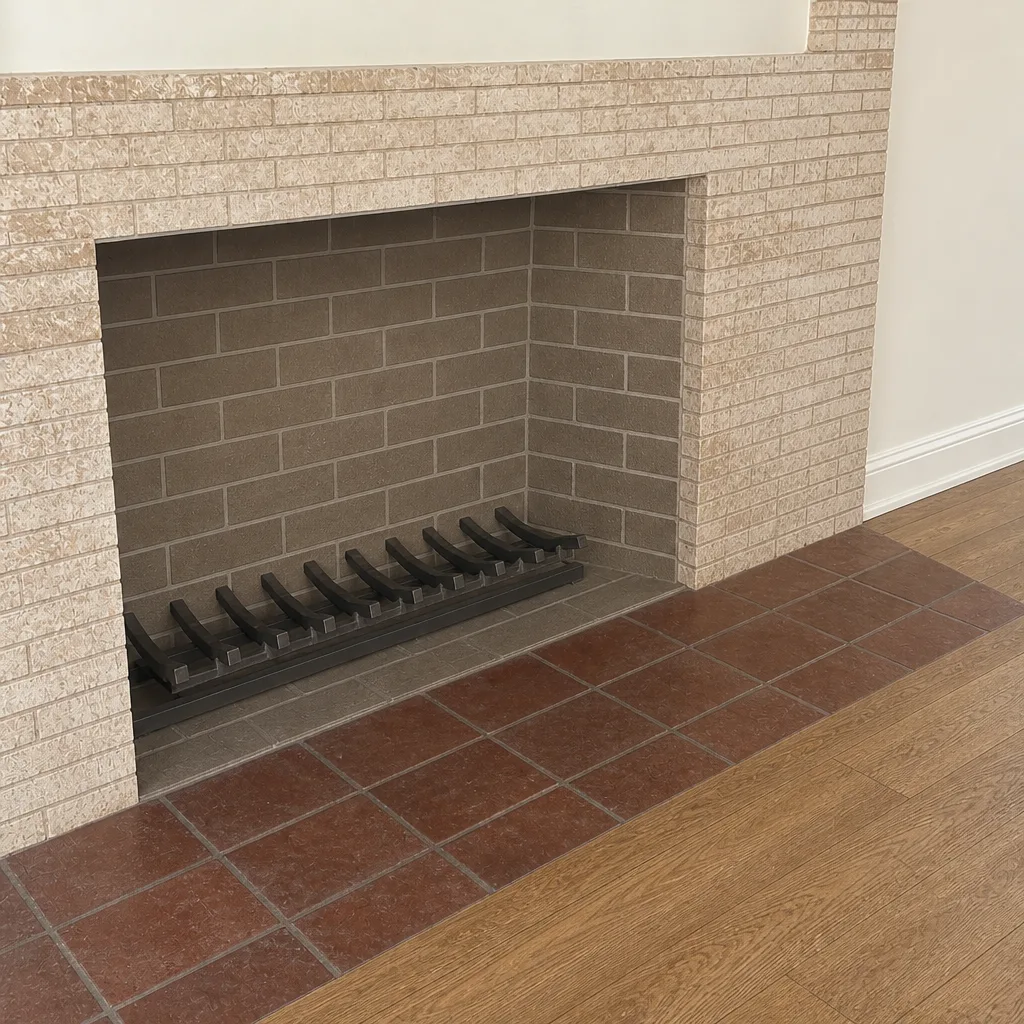
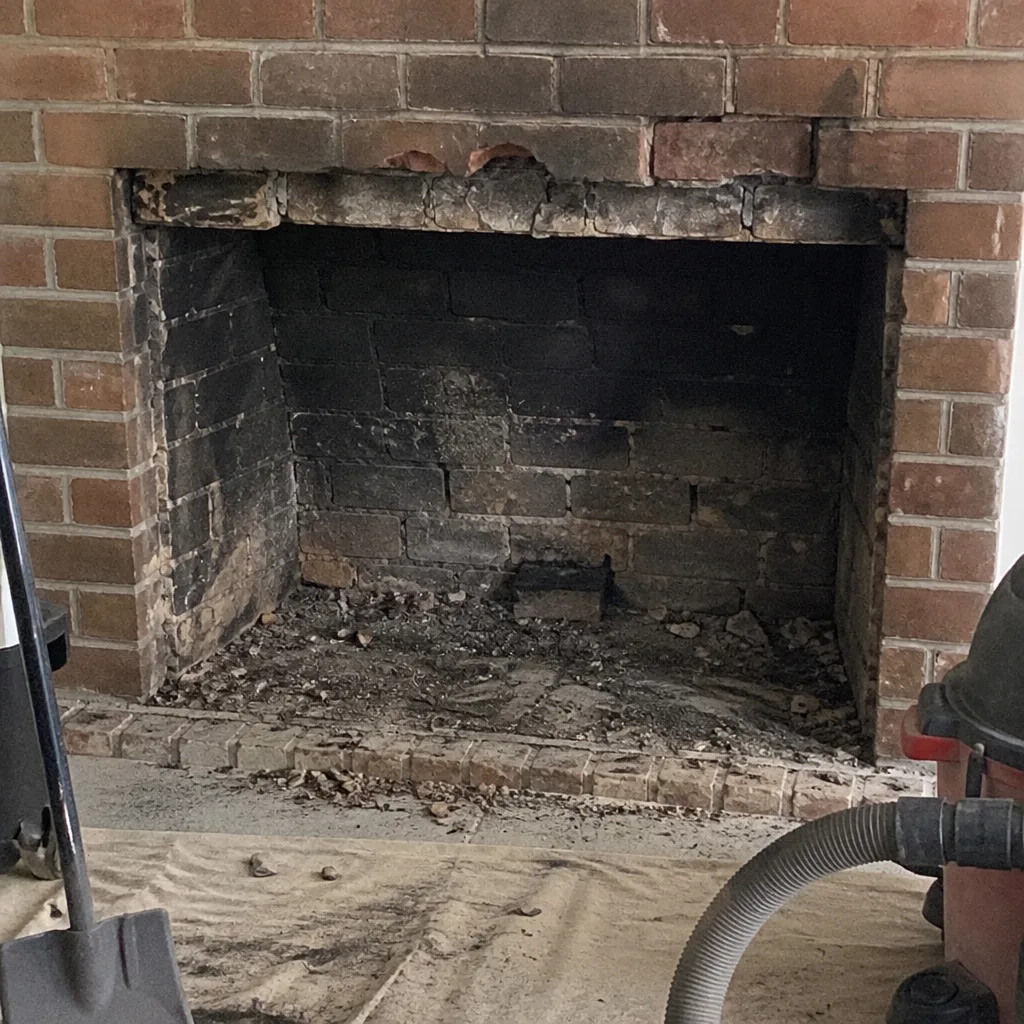
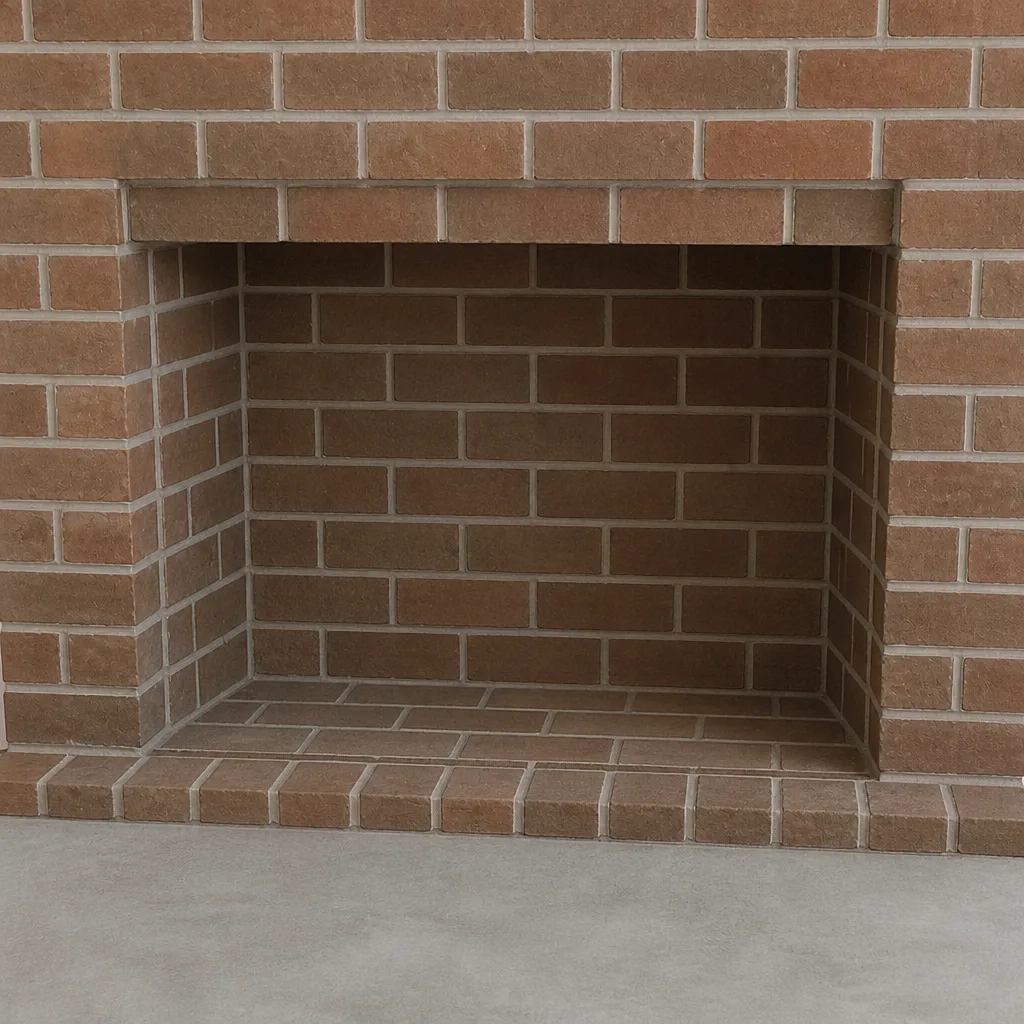
See the difference
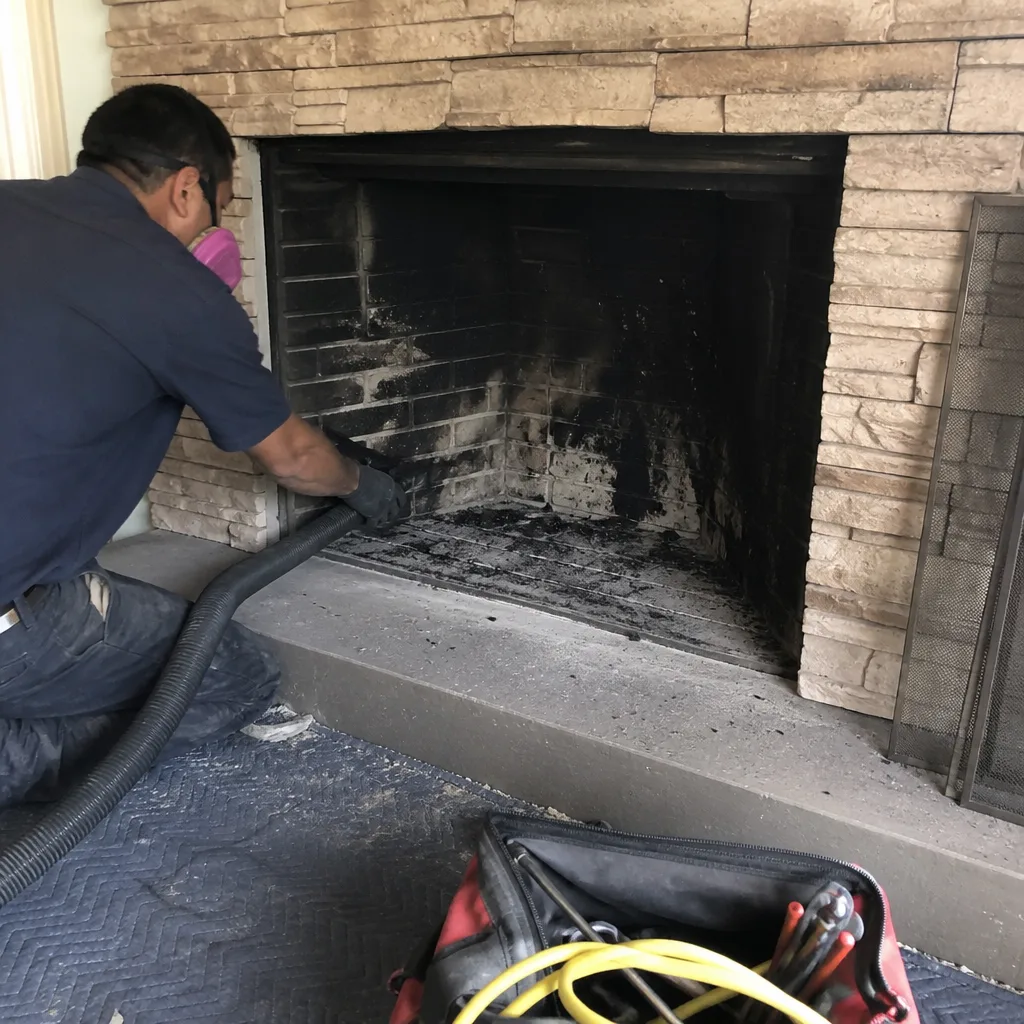 Before
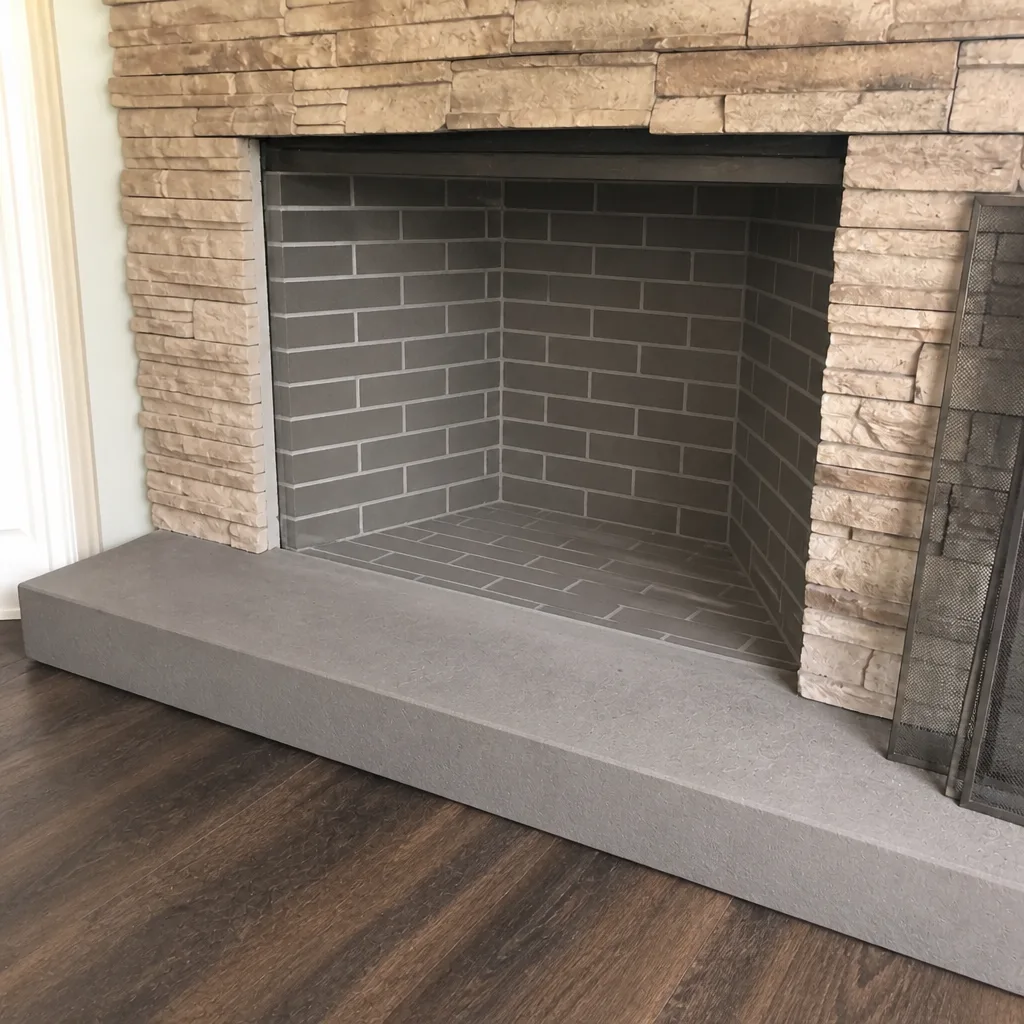 After
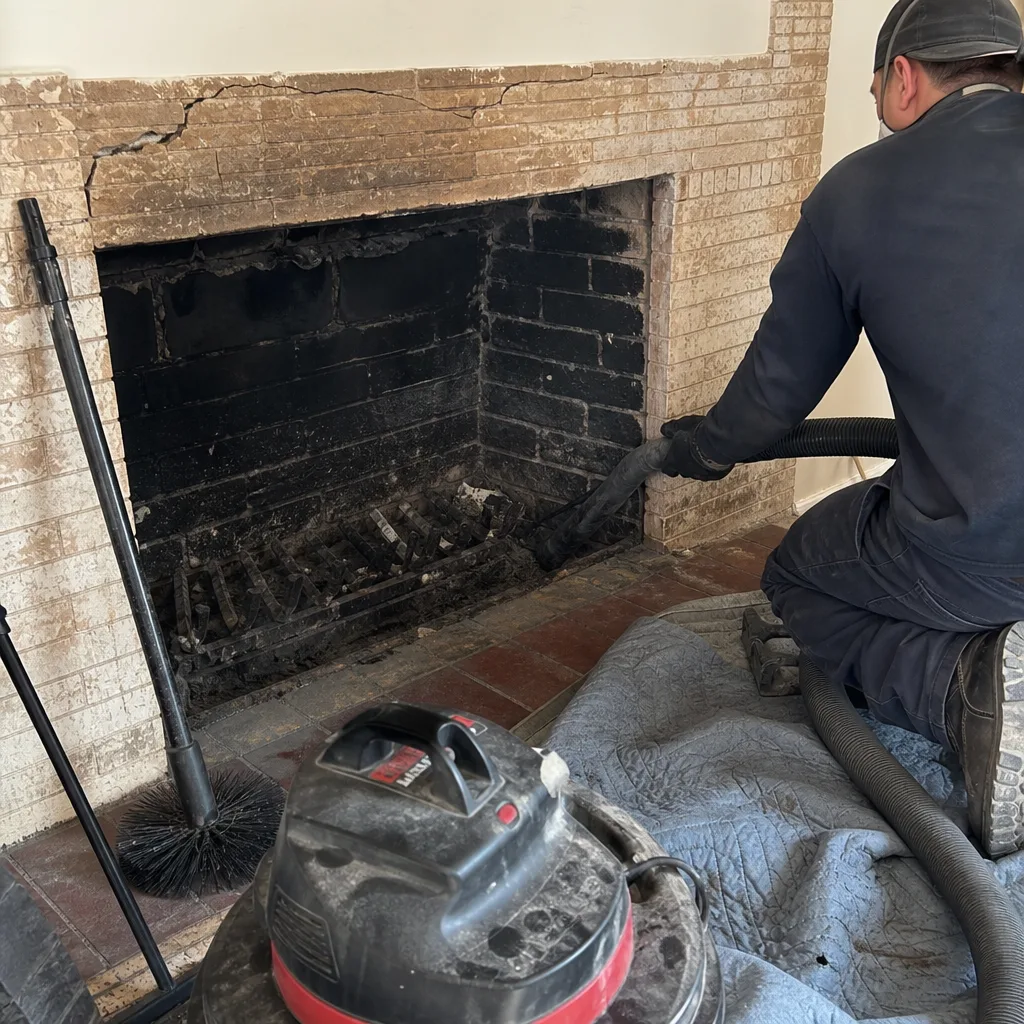 Before
 After
 Before
 After
When to Call a Professional
Some chimney situations can be assessed by a careful homeowner. Others require a professional who knows what they’re looking at. Call a specialist if you see white staining on the exterior chimney masonry, which indicates moisture penetration through a failing liner or cap. Call if you smell smoke in the house after a fire, which suggests the draft is compromised or the liner is failing. Call if you notice any deterioration in the firebox or smoke chamber, if the damper doesn’t seat properly, or if you’re seeing rust on any metal component. And call if your dryer is taking longer than normal to dry clothes or the laundry room feels unusually warm during a cycle, both signs of a restricted vent. Chimney Sweep Mission Valley offers free estimates in Mission Valley. Call (877) 752-2758. We answer 24/7. Fast dispatch from 7am to 7pm, Sunday through Friday.
Frequently Asked Questions
Look for a contractor who specifies professional-grade brands by name: DuraFlex for liner systems, HeatShield for restoration, Gelco or Olympia Chimney for caps and chase covers, and Famco or Copperfield for venting components. These brands carry UL listings and CARB compliance that commodity products lack. A contractor who can name their brands and provide spec sheets is sourcing from professional channels, and that’s the signal you want.
A standard chimney sweep in Mission Valley typically falls into a range that depends on the chimney’s condition, fuel type, and accessibility. The written estimate sets the exact price before any work begins, so there are no surprises. Call (877) 752-2758 for an exact quote, estimates are free. We answer 24/7. Fast dispatch from 7am to 7pm, Sunday through Friday.
That depends on the condition of the existing liner, and the only way to know is with a camera inspection. If the liner has minor cracks or gaps but is structurally intact, HeatShield restoration can often seal those defects without full relining. If the liner has collapsed, severely deteriorated, or was never properly installed, full relining with a DuraFlex system is the correct approach. A contractor who offers both methods can give you an honest recommendation.
The National Fire Protection Association recommends a chimney inspection at least once a year, and cleaning whenever creosote buildup reaches 1/8 inch or more. For Mission Valley homeowners who burn wood seasonally, that typically means a sweep every year or two, depending on burn habits and wood quality. Gas fireplaces produce less creosote but still need inspection for debris, moisture, and venting issues.
Creosote accumulates inside the flue, and creosote is combustible. A hot fire can ignite it, and a chimney fire can reach temperatures exceeding 1,000 degrees, hot enough to crack the liner and allow flame to reach surrounding wood framing. Skipping maintenance also lets water enter through a failing cap or chase cover, which damages the liner and masonry over time. The repair that costs a few hundred dollars now becomes a $5,000 liner replacement later. Call (877) 752-2758 if it’s been more than a year since your last inspection.
It’s not overblown. Lint is highly combustible, and a restricted dryer vent raises the temperature inside the vent to dangerous levels while also forcing the dryer to work harder. The U.S. Fire Administration has consistently identified dryer vent fires as a leading residential fire cause. If your dryer is taking longer than normal or the laundry room stays warm after a cycle, the vent needs attention now, not later.
The Bottom Line
The brand name on your chimney components is the easiest way to verify what you’re actually paying for. Professional-grade materials from DuraFlex, HeatShield, Gelco, Olympia Chimney, Famco, and Copperfield carry documentation, warranties, and performance standards that commodity products don’t. In Mission Valley, where seasonal fireplace use and older housing stock create specific chimney challenges, the right materials make the difference between a repair that lasts and one that fails early. Mission Valley homeowners who know what to ask, and who insist on seeing the documentation, are the ones who get the right repair the first time. If your chimney or dryer vent needs attention, call (877) 752-2758 for a free estimate. We answer 24/7. Fast dispatch from 7am to 7pm, Sunday through Friday.
Written by the team at Chimney Sweep Mission Valley, serving Mission Valley since 2016.