
Last updated November 5, 2026
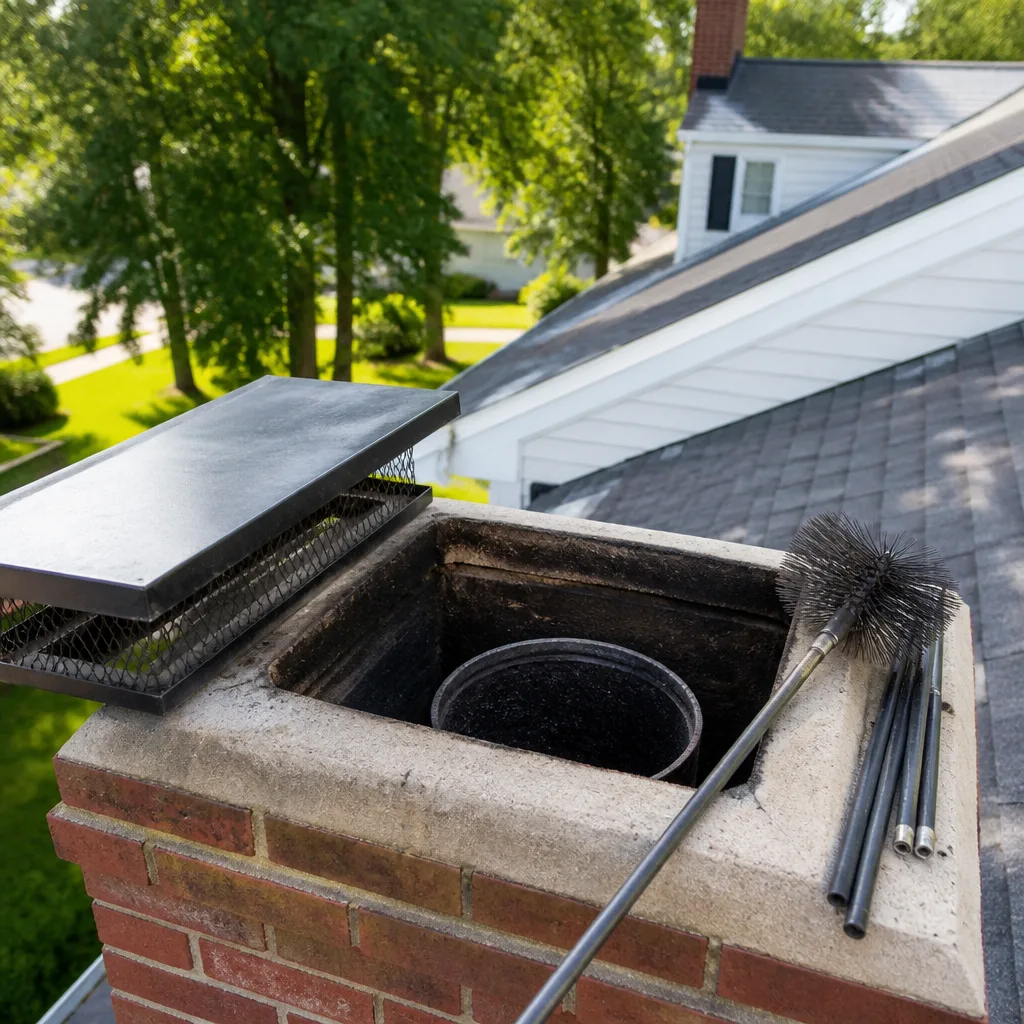 Sweep & inspection
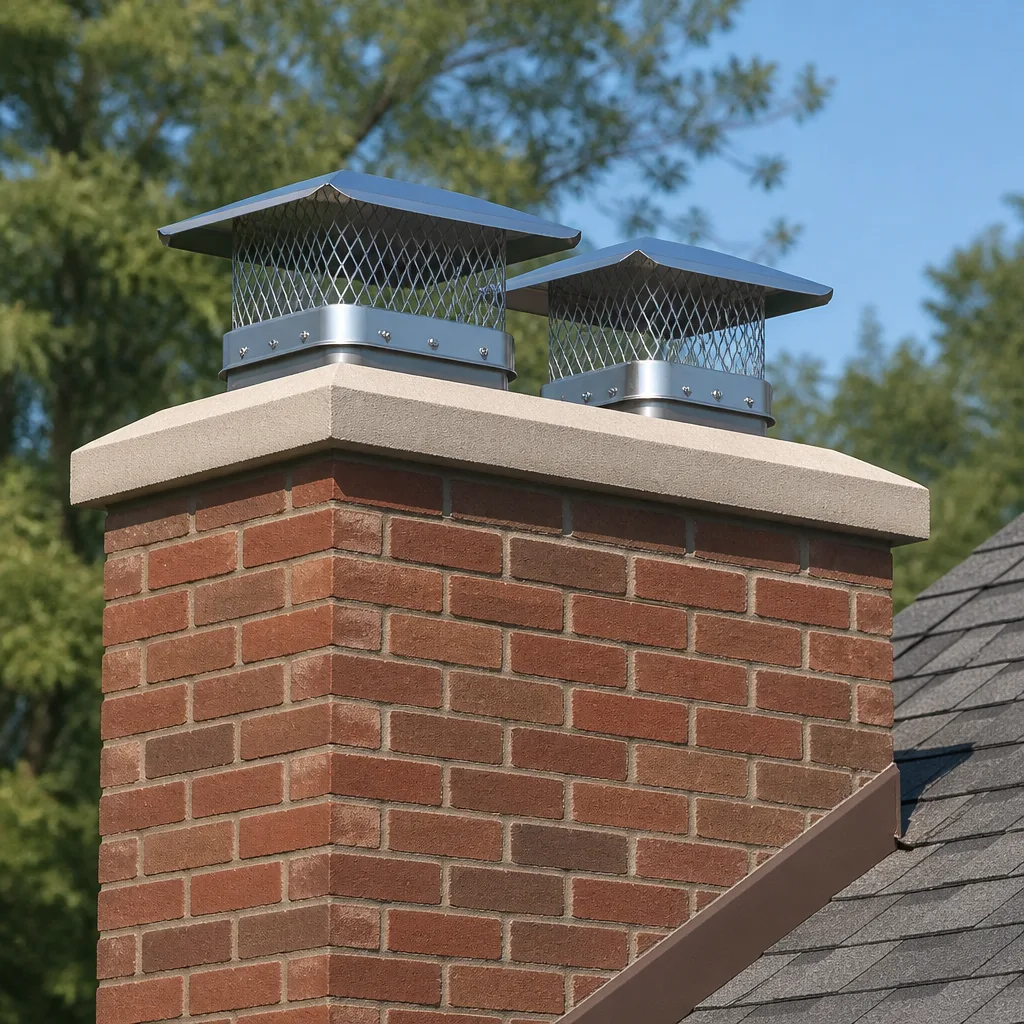 Caps & crowns
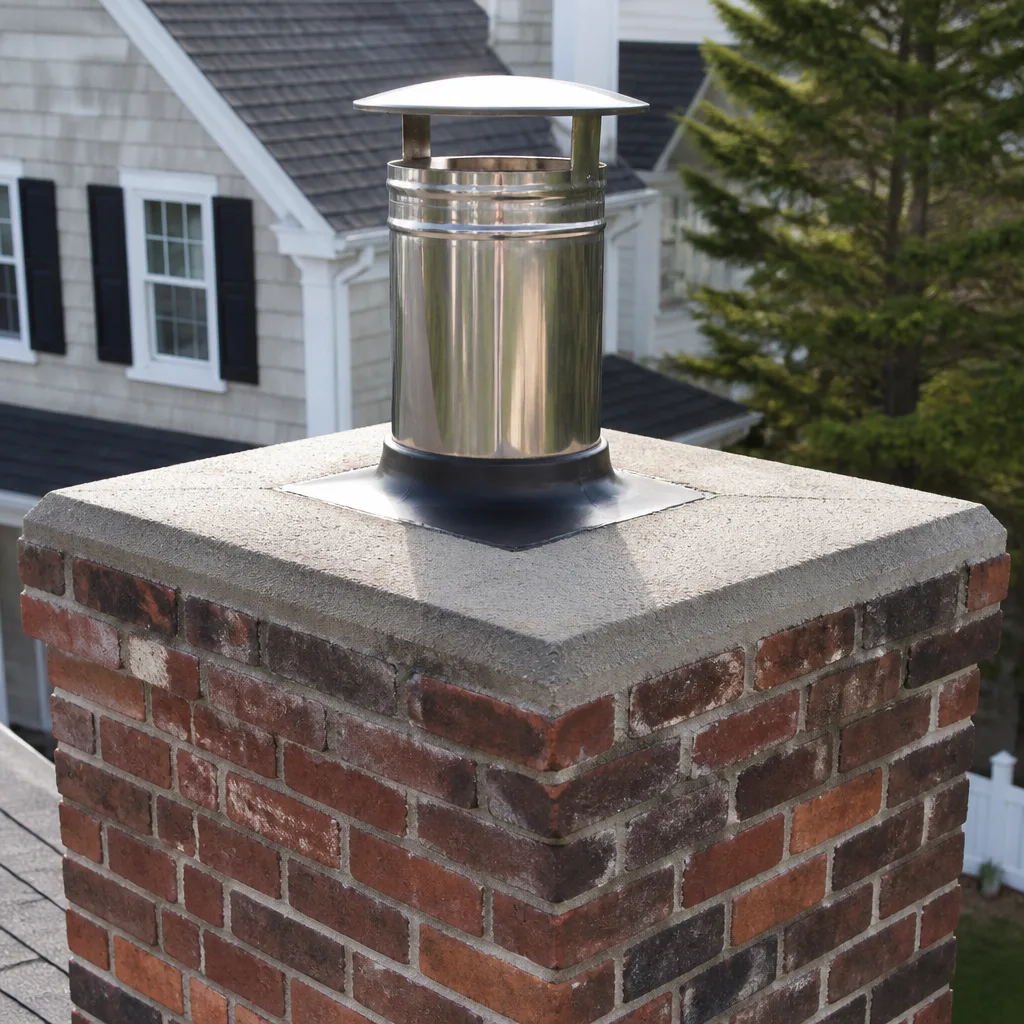 Flue relining
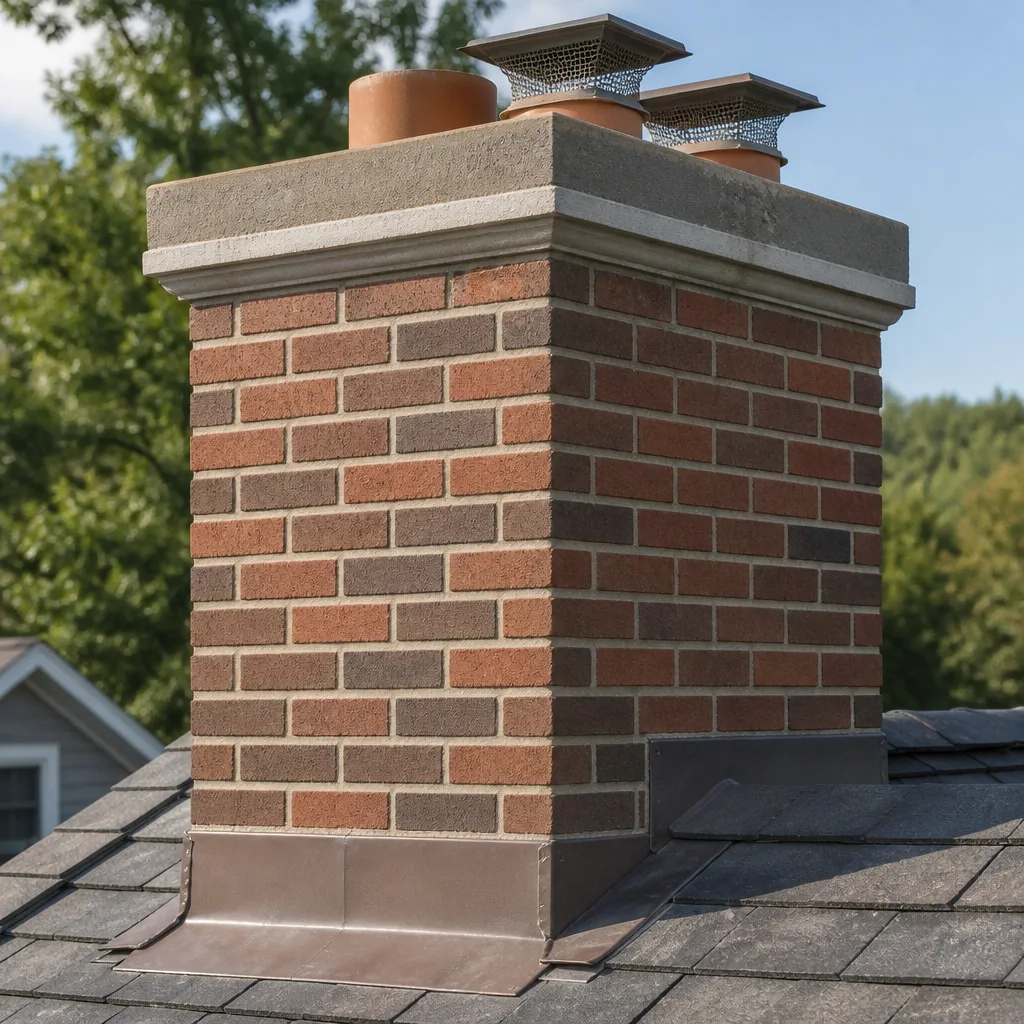 Masonry repair
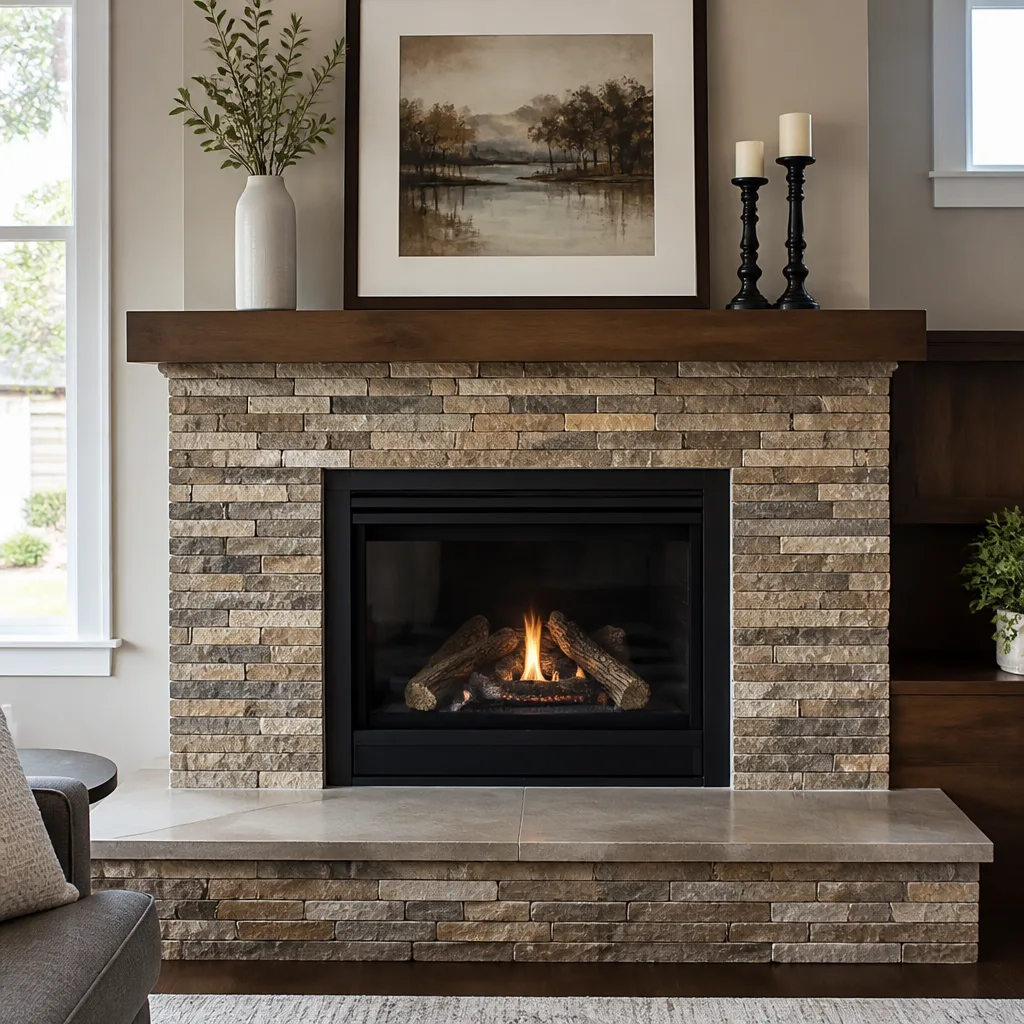 Gas fireplace service
Level 1 sweep and inspection to the NFPA 211 annual standard - flue, crown, cap, and flashing checked and photographed
Chimney sweep logs do not sweep chimneys. They loosen some creosote - which then falls where a brush and vacuum still have to collect it.
The Complete Guide to Chimney Cleaning in Mission Valley
Most Mission Valley homeowners burn fewer than 15 fires a year, yet that low usage pattern produces a more corrosive form of creosote than heavy winter burning does. The reason is straightforward: fires that never get hot enough to fully combust the tar compounds leave behind a sticky, concentrated residue that hardens faster than the fluffy soot from frequent, hot burns. This guide explains exactly how Mission Valley’s specific climate and burn habits shape what a thorough chimney cleaning requires here, what gets missed in a basic sweep, and how to verify the work was done correctly.
Quick Answer
A proper chimney cleaning in Mission Valley costs between $189 and $350 for a standard sweep with a visual inspection, depending on the height, access, and condition of the system. A full-scope cleaning covers the firebox, smoke chamber, flue liner, chimney cap, and crown, not just a brush pass through the flue. Because our marine-layer humidity accelerates creosote corrosion between uses, most Mission Valley homes should be swept every one to two years even with modest burn seasons.
Styles & brands we work with
- Sweep & inspection
- Caps & crowns
- Flue relining
- Masonry repair
- Gas fireplace service
Table of Contents
- Why Low-Frequency Burning Creates Stubborn Creosote
- How Marine-Layer Humidity Affects Your Liner
- The Anatomy of a Full-Scope Cleaning
- Rotary Cleaning Systems vs. Basic Brush Kits
- How to Verify a Cleaning Was Done Correctly
- How Often Should Mission Valley Chimneys Be Swept?
- What a Chimney Cleaning Costs in Mission Valley
- The Dryer Vent Connection Most Homeowners Miss
Why Low-Frequency Burning Creates Stubborn Creosote
Creosote forms in three stages, and the stage you get depends less on how often you burn and more on how hot the fire gets. Stage 1 is a light, dusty soot that brushes off easily. Stage 2 is a hardened, flaky tar glaze that requires mechanical scraping or rotary cleaning to remove. Stage 3 is a thick, glossy coating that resembles hardened tar and often signals deeper liner damage.
Here’s what surprises most Mission Valley homeowners: burning infrequently actually leans toward Stage 2 formation faster than steady, hot-burning habits. A fire that runs for an hour on a mild evening never reaches the sustained internal flue temperatures that would carry tar compounds up and out as vapor. Instead, those compounds condense on the cooler upper liner walls, where they bond into a glaze that a standard wire brush alone will not remove. In our experience, homes that burn ten to twelve fires per winter season routinely show more tenacious Stage 2 deposits than weekend cabins that run hot fires all day.
The takeaway is not to burn more often. It’s to schedule cleanings by time and condition, not by perceived usage. A system that looks unused from the hearth can still carry a corrosive, hardened coating in the smoke chamber and upper flue.
How Marine-Layer Humidity Affects Your Liner
Mission Valley sits inland enough to avoid coastal salt air, but close enough to the marine layer that morning humidity and cool evening air are regular facts of life. That humidity cycles through your chimney continuously, not just when you burn. When moisture meets creosote, two things happen: the creosote becomes acidic and the resulting compound attacks the liner material, whether it’s clay tile or stainless steel.
A clay tile liner with even minor spalling becomes a collection point for more moisture and more creosote, which accelerates the damage. Stainless steel liners resist direct corrosion better but still accumulate acidic residue that should be removed before it pits the surface. This is the pattern generic chimney guides miss: a Mission Valley chimney corrodes between uses, not during them. The cleaning is not just about removing soot from last winter. It’s about interrupting a chemical process that runs all year in our specific humidity profile.
Proper cap and crown maintenance plays a direct role here. A cracked crown lets water run down the flue walls, which turns dry creosote into an acidic paste. A missing or deteriorated cap lets rain in from the top. Both are common findings on Mission Valley homes, particularly older stucco-clad chases where the crown has been exposed to decades of warm days and cool nights.
The Anatomy of a Full-Scope Cleaning
A real chimney cleaning is a system-level process, not a single brush stroke. When we perform a chimney sweep at a Mission Valley home, the work covers five distinct zones. Skipping any one of them leaves part of the fire safety picture unaddressed.
- Firebox and hearth: The firebox is where ash, partially burned wood, and ember debris collect. We remove all loose material and inspect the refractory panels and mortar joints for cracks or spalling.
- Smoke chamber: This is the angled area above the firebox and below the flue, and it’s the single most-overlooked creosote collection point. A brush that fits the flue often skims past smoke chamber walls. We clean this area specifically, then inspect for gaps in the corbeled brick or parging.
- Flue liner: The main vertical passage receives the primary mechanical cleaning, sized to the liner’s exact dimensions and material. Clay tile and stainless steel require different brush and rod techniques.
- Chimney cap and spark arrestor: The cap keeps rain and animals out, and its mesh screen is a magnet for soot buildup. A blocked mesh is a drafting problem, not just a cosmetic one. We clean and inspect the cap as part of every sweep.
- Crown and exterior chase: The concrete crown tops the masonry chase. We document any cracks, spalling, or separation. On stucco-clad chase designs common in Mission Valley, we check for gaps where the stucco meets the crown, which is a moisture entry point.
This five-zone approach is the definition of a full-scope cleaning. A basic brush pass through the flue addresses only one of the five.
Rotary Cleaning Systems vs. Basic Brush Kits
The equipment used to clean a chimney matters, and the distinction is not cosmetic. Basic wire brush systems scrape a flue in vertical strokes. They remove loose Stage 1 soot effectively. They do not remove Stage 2 glazed creosote from rough clay tile surfaces, and they cannot polish stainless steel liners to a residue-free finish.
Professional-grade rotary cleaning systems are different. A rotary system uses a spinning head with flexible cleaning lines that press against the liner walls as it travels through the flue. The mechanical action breaks the bond on hardened Stage 2 deposits and leaves a visibly cleaner surface, particularly on clay tile with its textured, porous profile. For Mission Valley homes with our low-burn, high-humidity pattern, that mechanical difference is the reason a professional cleaning lasts longer between appointments.
The distinction extends beyond the cleaning itself. The same professional-grade approach applies to the materials we install when a cleaning reveals liner damage. We source liners and components from professional-grade manufacturers like DuraFlex and Olympia Chimney, not whatever is on a hardware store shelf. When a liner needs restoration rather than full replacement, we turn to HeatShield, a specialized repair technique that re-coats and seals damaged flue surfaces from the inside. Most basic sweep companies do not offer HeatShield at all, because it requires specific training and certification.
How to Verify a Cleaning Was Done Correctly
The easiest way to verify a chimney cleaning is a simple flashlight inspection from the hearth, looking up into the flue. Here’s a step-by-step guide that any homeowner can follow after a sweep.
- Wait until the sweep is done and the drop cloths are removed. You want a clear view from the firebox floor.
- Use a bright flashlight and look straight up through the open damper. The flue should appear clean and uniform, not blackened or streaked.
- Check the smoke chamber. Shine the light at the angled walls above the damper. You should see the masonry surface, not a thick, shiny glaze.
- Look at the firebox walls. They should be free of loose ash and debris. Light staining from normal use is fine.
- Go outside and check the cap. The mesh screen should be open, not clogged with soot. The cap itself should be seated firmly.
If you see heavy black deposits in the smoke chamber after a cleaning, or if the cap screen is still visibly blocked from the ground, the sweep was incomplete. A professional who performs a full-scope cleaning will leave all five zones accessible and visible. We encourage every Mission Valley homeowner to do this check after any company leaves, including ours.
How Often Should Mission Valley Chimneys Be Swept?
The National Fire Protection Association standard is to have a chimney inspected at least once a year and swept when soot or creosote buildup reaches a certain thickness. In Mission Valley, the practical answer is that most wood-burning systems should be swept every one to two years, even with light usage.
Mild winters mean the calendar alone is not the best trigger. These specific conditions call for a cleaning sooner than a two-year mark:
- You burned more than one cord of wood in a single season. That’s heavier use than most Mission Valley fireplaces see, and it produces measurable deposits.
- You notice a strong smoke smell in the room after the fire is out. This often means the flue is not drafting cleanly, which can indicate a partial obstruction or creosote narrowing.
- You hear debris falling when the wind blows. That’s usually flaked creosote or mortar particles, which means something is deteriorating above the damper.
- It’s been more than two years since the last sweep, regardless of use. Remember the humidity factor. Creosote corrodes between uses here, so a time-based cleaning is still worthwhile.
What a Chimney Cleaning Costs in Mission Valley
Let’s be direct about pricing, because a written estimate should never feel like a mystery. A standard full-scope cleaning in Mission Valley typically runs $189 to $350. That range reflects the height and accessibility of the chase, the condition of the liner, and whether the system has been maintained regularly or has years of buildup.
Here is a breakdown of typical service pricing in our market:
| Service | Typical Range |
|---|---|
| Standard full-scope chimney sweep with inspection | $189 – $285 |
| Heavy creosote or Stage 3 removal (second visit or extended time) | $275 – $350+ |
| Smoke chamber cleaning add-on | $75 – $150 |
| Chimney cap replacement (materials included) | $150 – $475 |
| HeatShield liner restoration | Quoted per job, based on liner footage and condition |
These are estimated ranges, not quotes. The final price is set by a written estimate after we see the specific system. What we do not do is quote a low base price and then add on every zone of the cleaning as a separate line item. A full-scope sweep includes all five zones we described earlier, and the price you’re quoted covers them.
The Dryer Vent Connection Most Homeowners Miss
Chimneys are not the only venting system in a Mission Valley home that carries fire risk. Dryer vents are one of the leading causes of residential house fires in the United States, and most homeowners never think about them until something goes wrong. A clogged dryer vent full of lint and fabric fibers is a fuel source sitting directly next to a heat source, run after run.
This is why we treat dryer vent cleaning as a core safety service, not an upsell. The same expertise that lets us inspect a flue liner applies to running a camera through a dryer duct, locating hidden blockages, and clearing them completely. Many Mission Valley homes route dryer vents through attics or crawl spaces, where a partial blockage creates heat buildup that’s invisible from the laundry room. A professional cleaning addresses what you can’t see.
If you have a fireplace and a dryer, you have two venting systems that both deserve regular attention. One specialist handling both means one inspection calendar, one set of documentation, and no handoff between contractors.
Common Mistakes to Avoid
- Skipping the smoke chamber because it’s hard to reach. The smoke chamber collects more creosote per square inch than most flue sections in Mission Valley’s mild burning conditions. A sweep that ignores it is not a full cleaning.
- Hiring a handyman with a brush from a hardware store. Basic brush kits cannot remove Stage 2 glazed creosote, and a handyman is unlikely to recognize liner damage that a trained chimney professional would catch. Your liner is too important to trust to generalist work.
- Waiting until you see smoke backing up into the room. By the time drafting fails, the creosote layer may be thick enough to require extended work. Scheduled cleanings prevent this instead of reacting to it.
- Ignoring the cap and crown. A clogged cap mesh causes poor drafting. A cracked crown lets in moisture that turns creosote acidic. Both problems compound over time and neither shows up at the hearth until damage is done.
- Assuming a gas fireplace needs no cleaning. Gas logs produce less creosote, but the venting still accumulates dust, pet hair, and occasional debris. The instructions say to follow the manufacturer’s maintenance schedule, and an annual inspection is still the safest play.
- Not documenting what was done. A professional cleaning should include a clear description of what was found and what was completed. If a company can’t tell you what they found in the smoke chamber, they probably didn’t look.
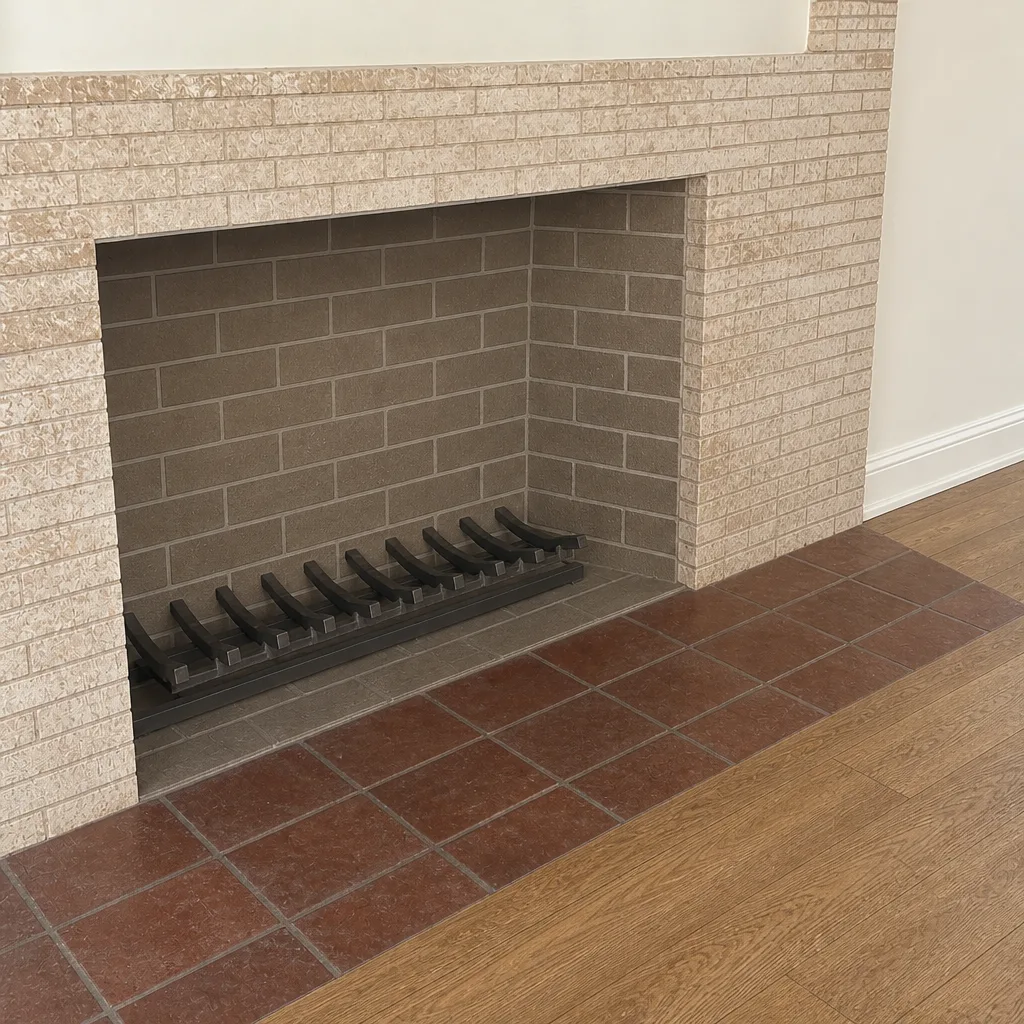
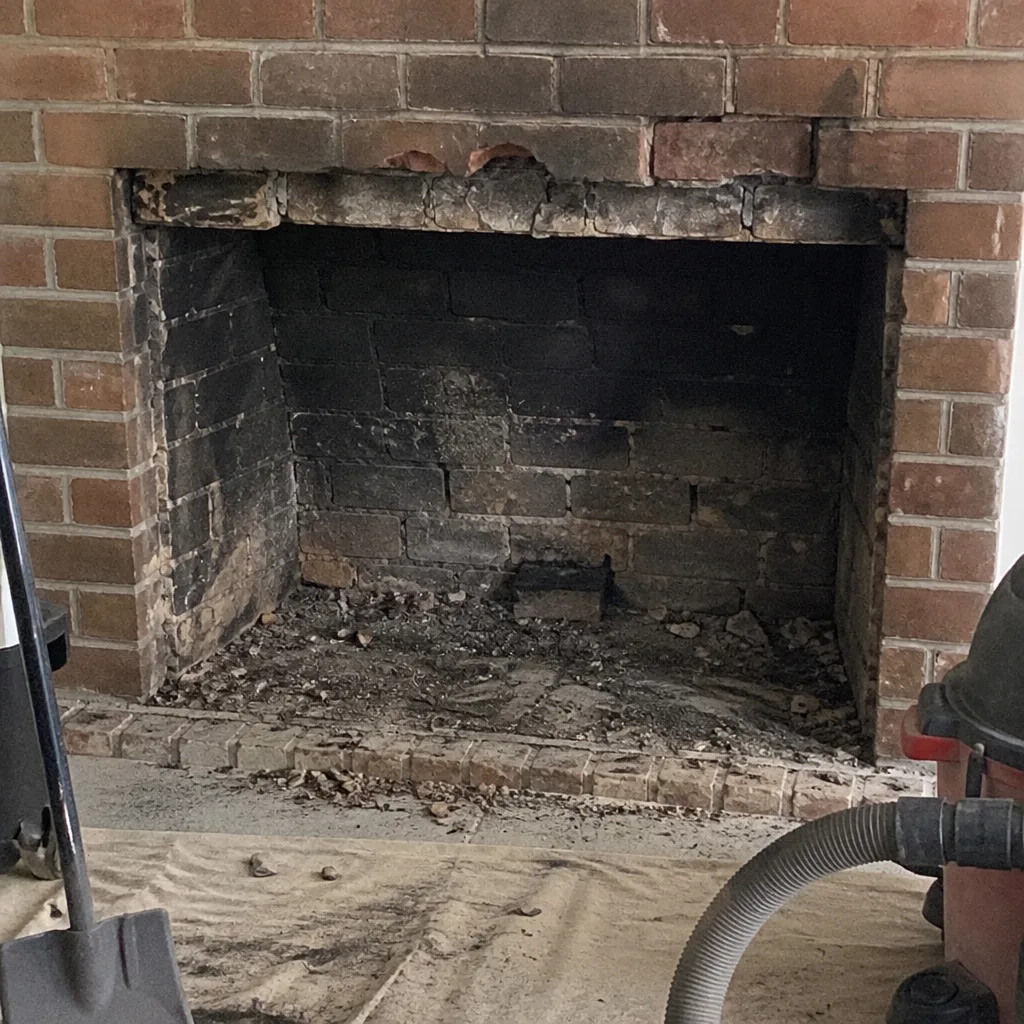
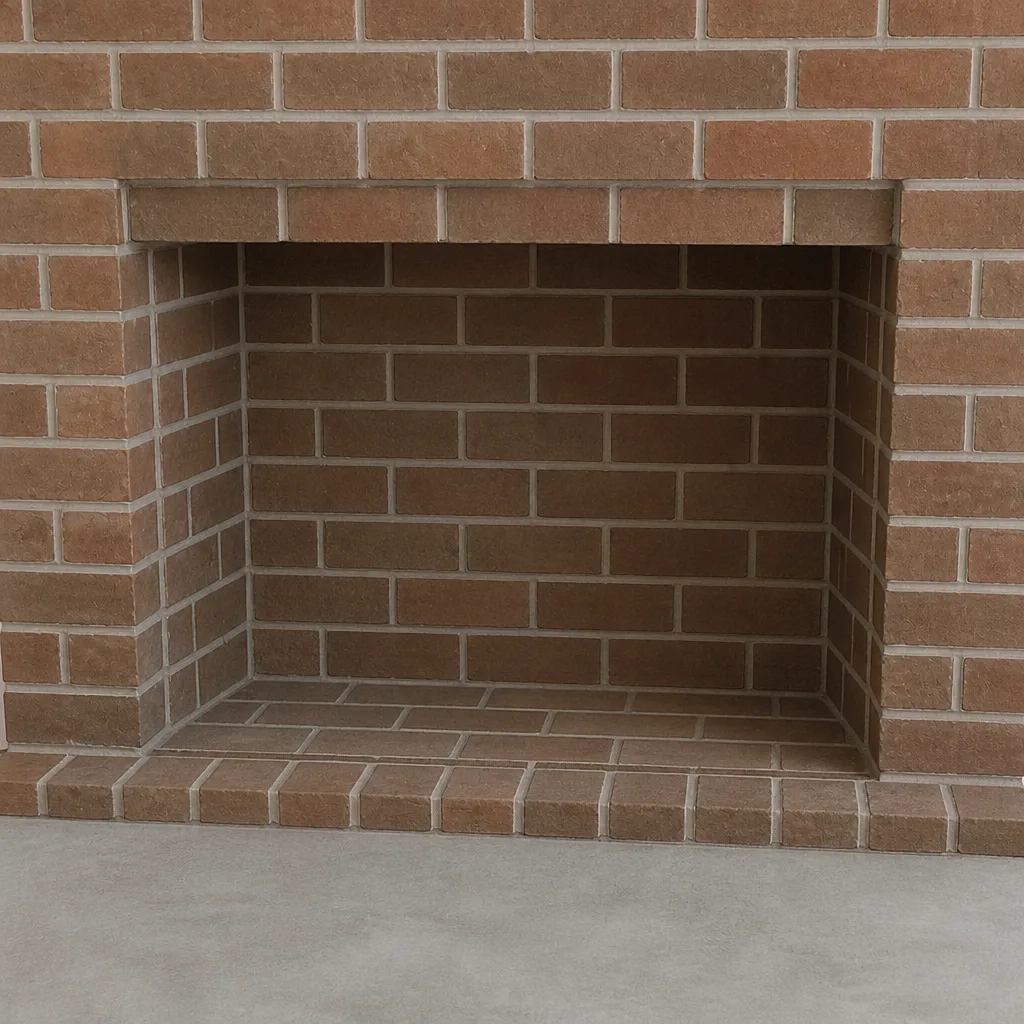
See the difference
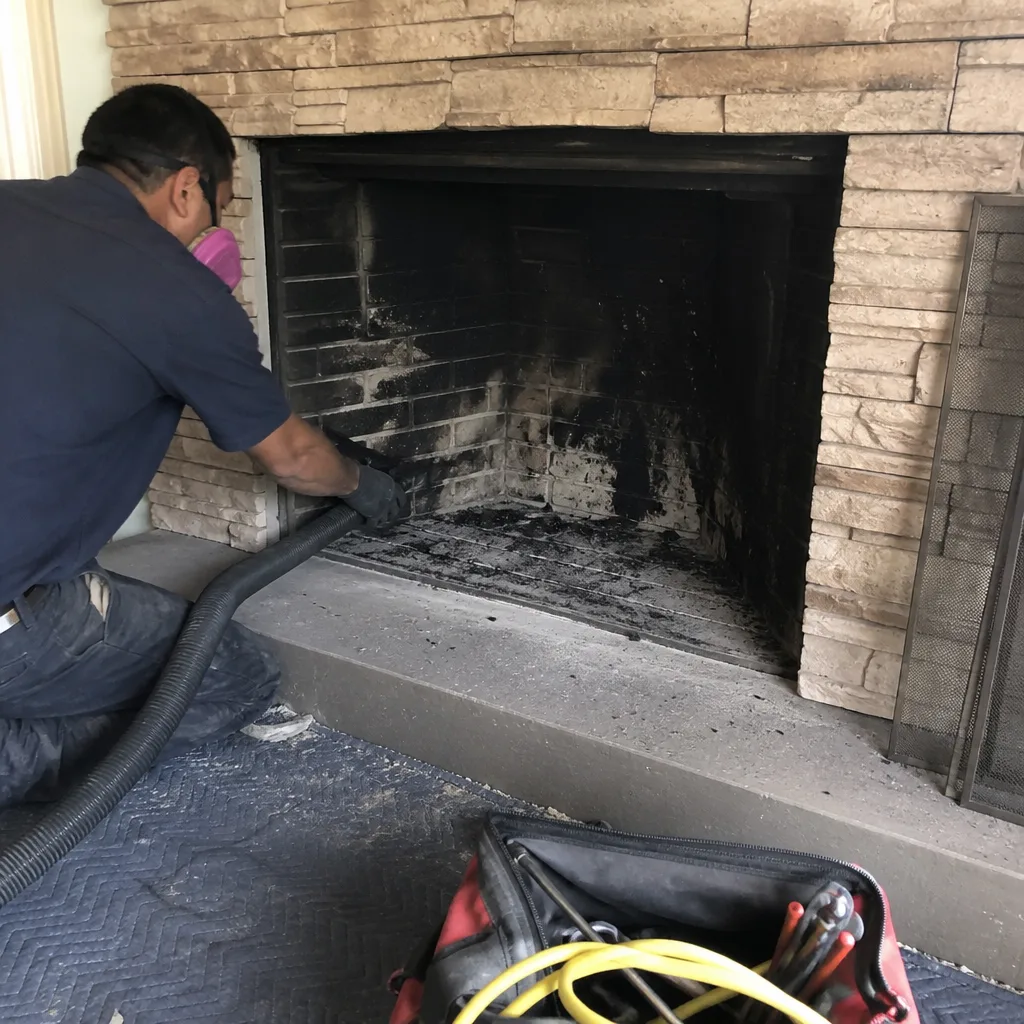 Before
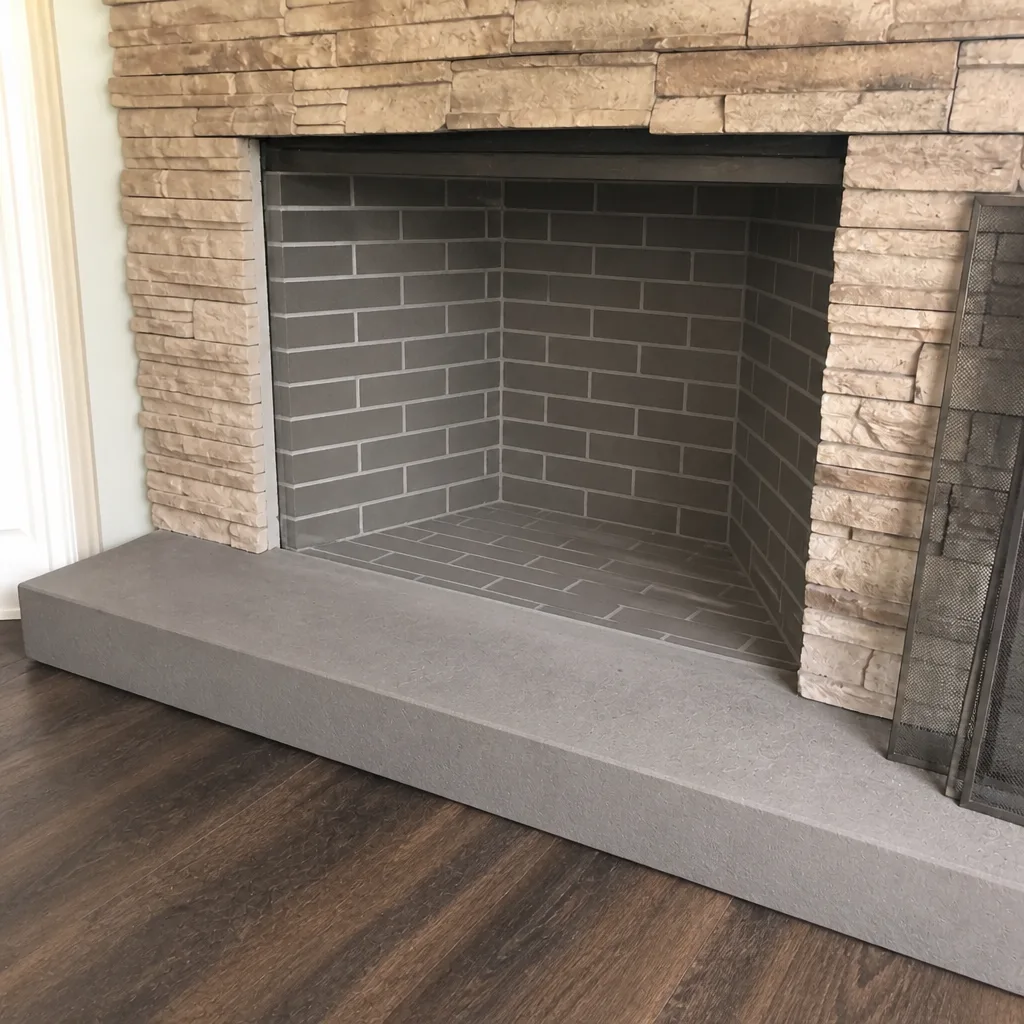 After
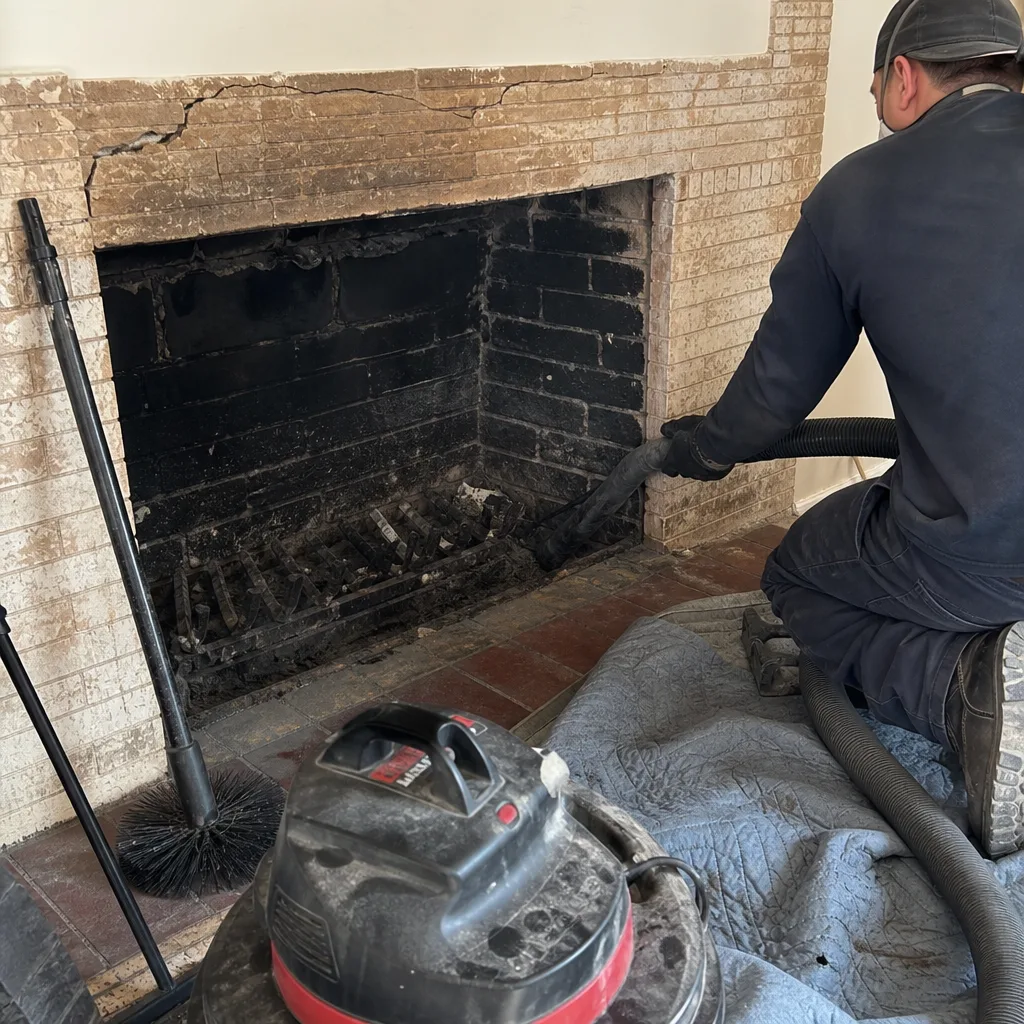 Before
 After
 Before
 After
When to Call a Professional
Call a professional any time you see creosote you can’t wipe away, hear debris moving in the flue, or notice a smoke smell that lingers. Call if a cleaning was done by someone else and you’re not sure the smoke chamber was actually cleaned. Call if your cap is missing, your crown is cracked, or your liner shows visible damage from the hearth. The point of a professional cleaning in Mission Valley is not just to remove soot. It’s to catch liner deterioration early, before a small restoration becomes a full relining or a fire hazard becomes an emergency.
Chimney Sweep Mission Valley offers free estimates throughout Mission Valley. Call (877) 752-2758. We answer 24/7. Fast dispatch from 7am to 7pm, Sunday through Friday.
Frequently Asked Questions
A full-scope chimney cleaning in Mission Valley typically costs $189 to $350 for a standard sweep with inspection, with heavier creosote removal or smoke chamber add-ons pushing toward the upper end. Call (877) 752-2758 for a free estimate on your specific system.
Most Mission Valley homes should have wood-burning chimneys swept every one to two years, even with light usage, because marine-layer humidity turns residual creosote corrosive between fires. Heavier burn seasons or visible deposits call for a cleaning sooner.
A basic sweep runs a brush through the flue only. A full-scope cleaning addresses the firebox, smoke chamber, flue liner, cap, and crown, which is the standard we apply to every chimney sweep service we perform in Mission Valley.
Yes. A partially blocked flue forces combustion gases, including carbon monoxide, to spill back into the living space instead of venting outside. This is why a blocked flue is a health issue as well as a fire risk, and why an annual inspection matters even if you don’t burn often.
HeatShield is a ceramic coating applied inside a damaged flue liner to restore its surface without a full relining. It’s a specialist repair method we offer for liners that need more than cleaning but less than replacement, and it’s not something a basic sweep company typically carries.
Yes. We provide dryer vent cleaning as a core service because dryer vents are a leading cause of house fires, and the same inspection discipline applies to both chimneys and dryer exhaust systems. One specialist handles both.
The Bottom Line
Chimney cleaning in Mission Valley is not a generic brush job. Our mild burn habits create a specific, stubborn creosote pattern, and our marine-layer humidity makes residual deposits corrosive between uses. A full-scope cleaning covers five zones: firebox, smoke chamber, liner, cap, and crown. Rotary cleaning systems and professional-grade materials from DuraFlex, HeatShield, Olympia Chimney, and Gelco make the difference between a surface pass and a genuinely clean system. Verify any sweep with a flashlight and your own eyes, and don’t let another burn season start with last year’s deposits still in place.
Written by the team at Chimney Sweep Mission Valley, serving Mission Valley since 2016.