
Last updated November 5, 2026
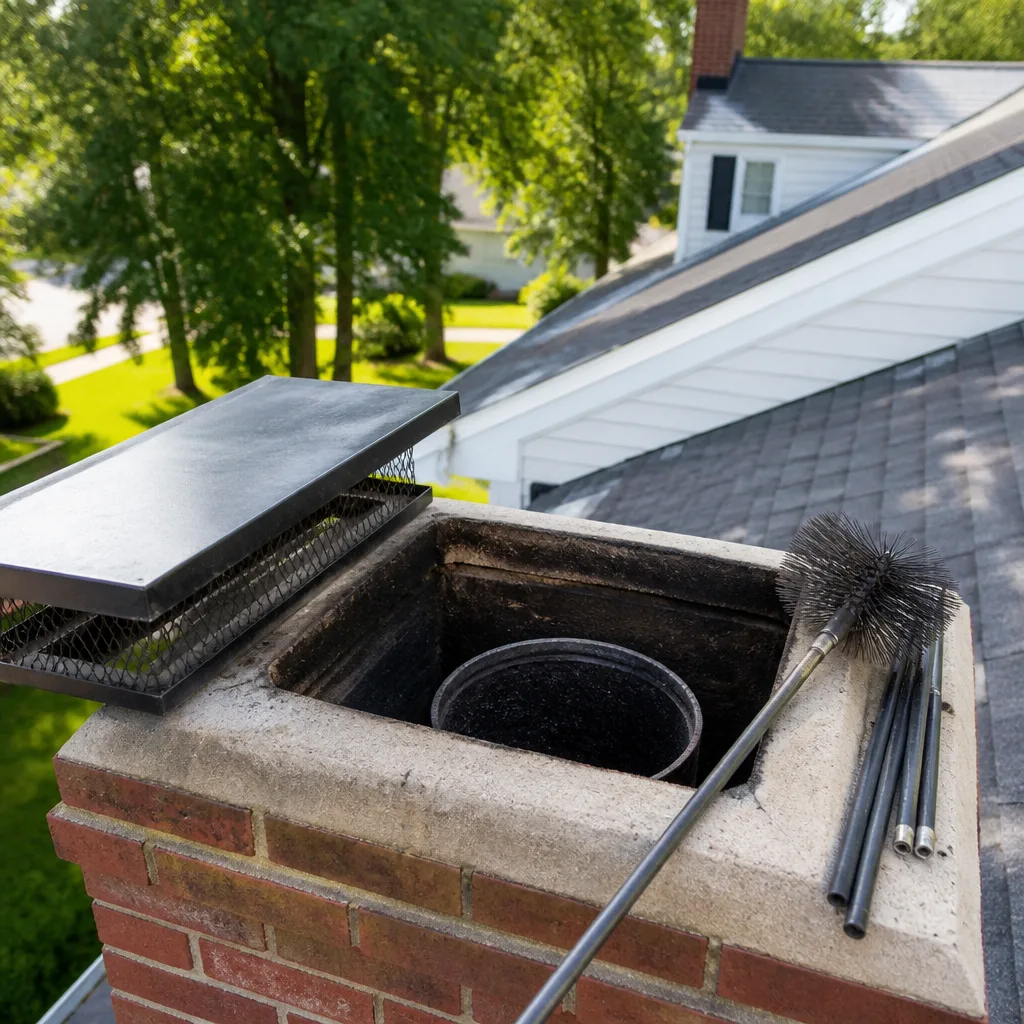 Sweep & inspection
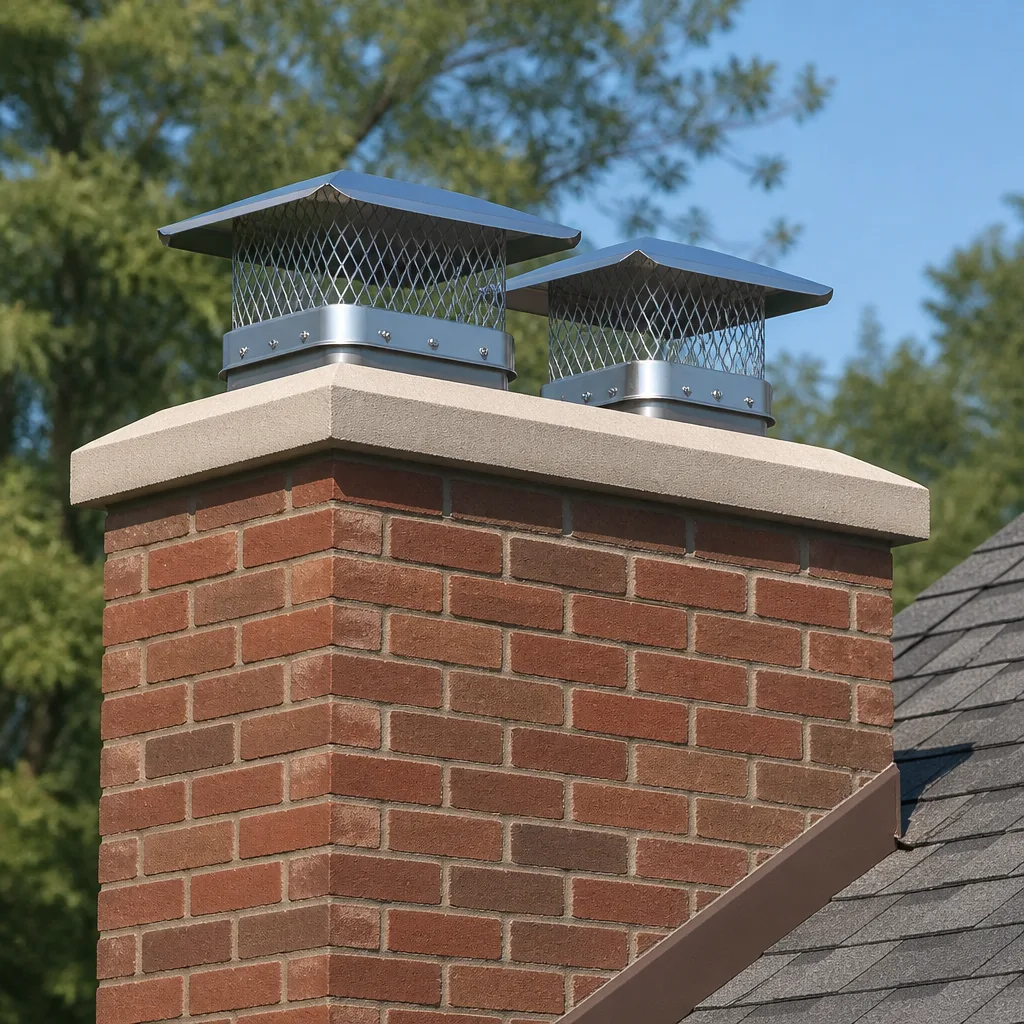 Caps & crowns
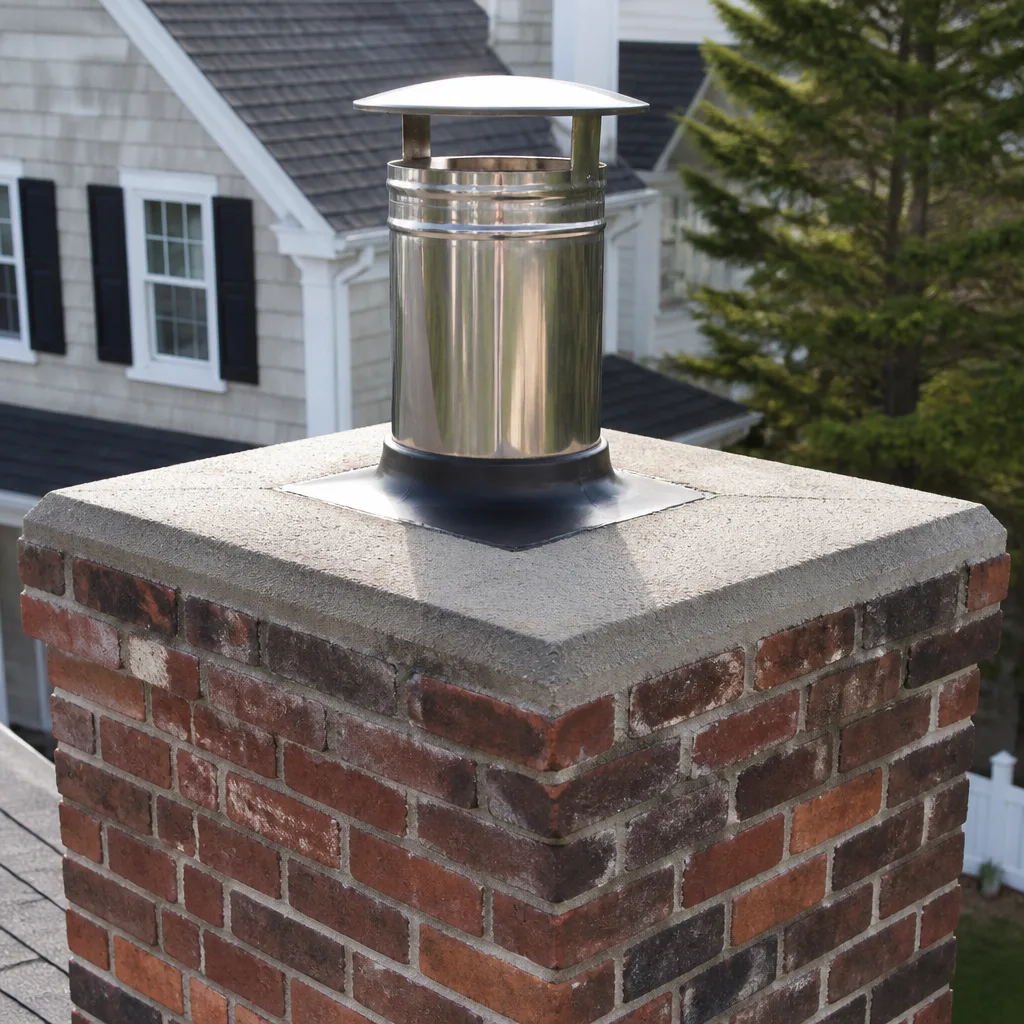 Flue relining
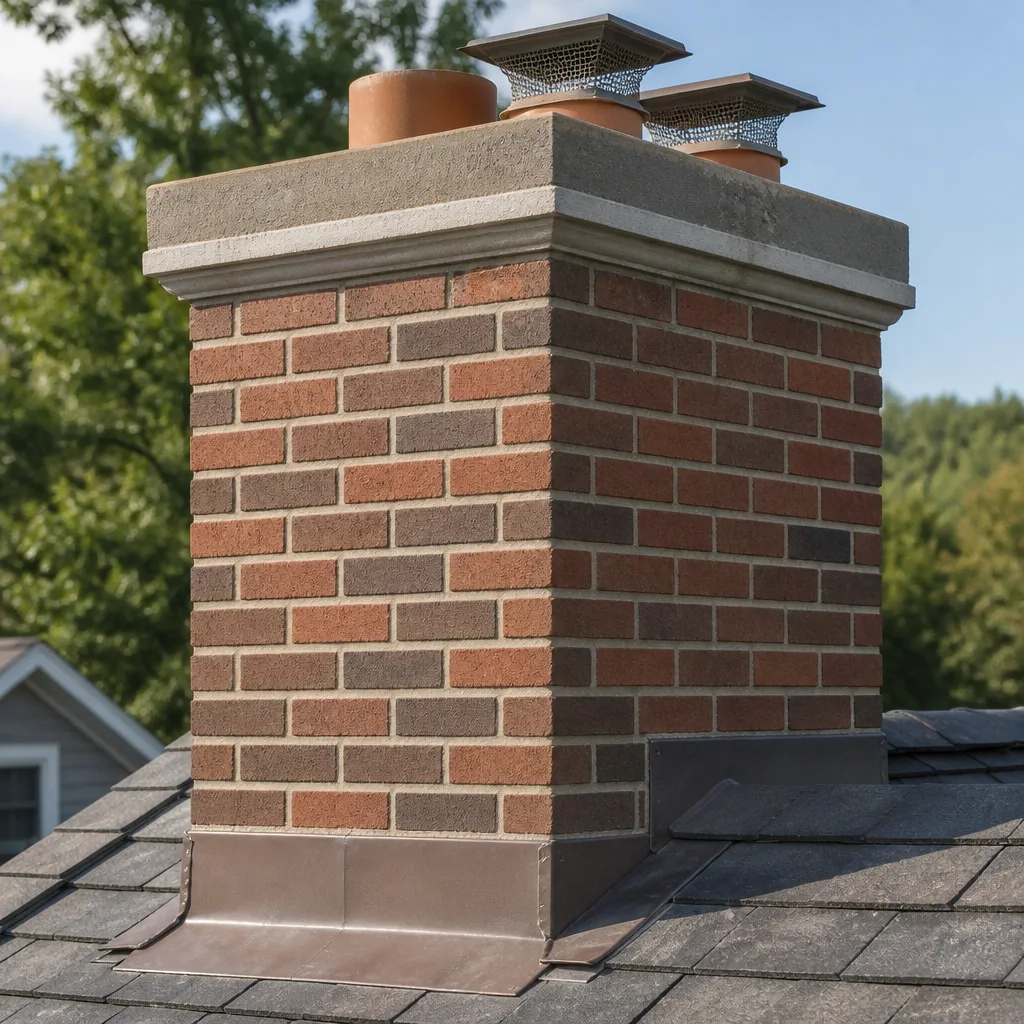 Masonry repair
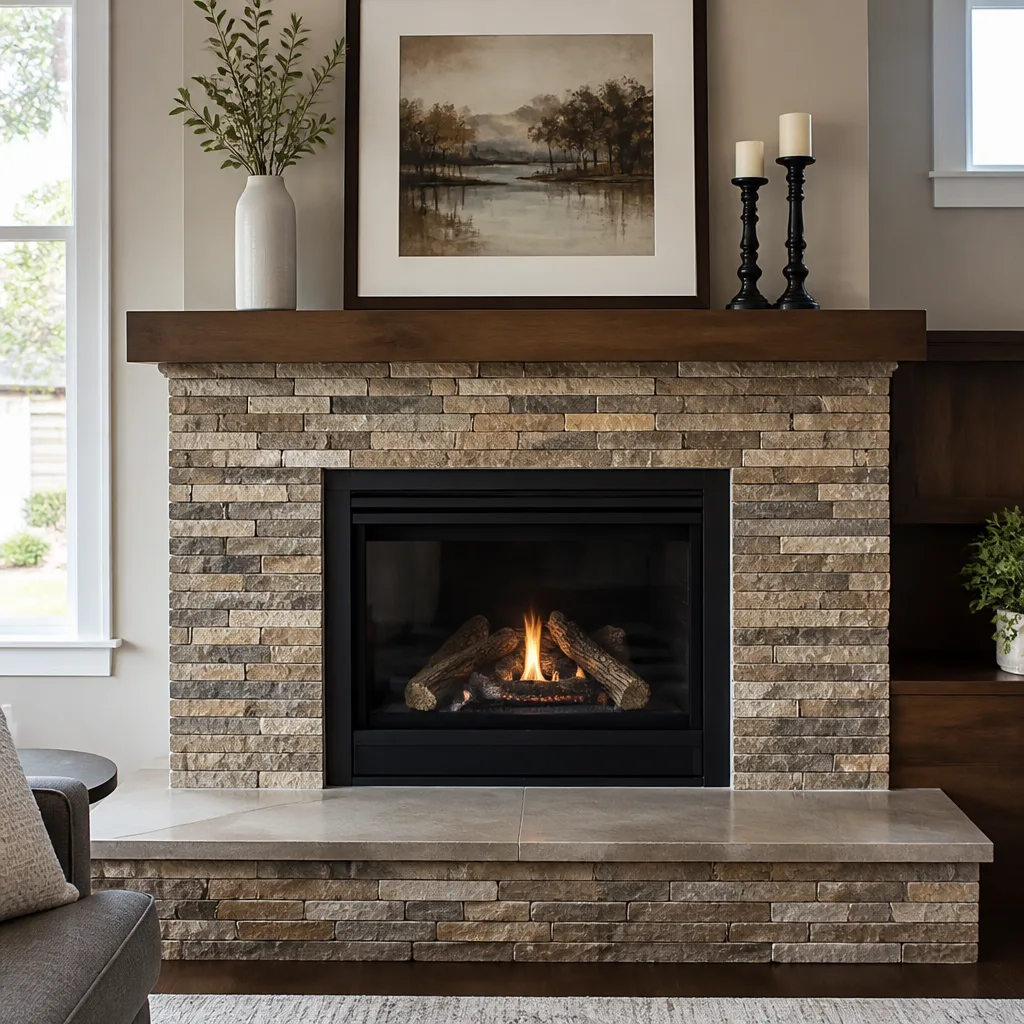 Gas fireplace service
Level 1 sweep and inspection to the NFPA 211 annual standard - flue, crown, cap, and flashing checked and photographed
Chimney sweep logs do not sweep chimneys. They loosen some creosote - which then falls where a brush and vacuum still have to collect it.
Chimney Cleaning Emergency Preparedness Guide for Mission Valley Homes
A chimney fire doesn’t always announce itself with a roar. Many slow-burning creosote fires smolder inside a partially blocked flue for ten to twenty minutes before anyone in the house notices, damaging the liner from the inside while the living room stays perfectly quiet. By the time smoke or the sound of cracking reaches the occupants, the fire has often been working against the chimney structure far longer than anyone realizes. This guide explains how chimney emergencies actually unfold in Mission Valley homes, what to do in the first sixty seconds, and how preparation changes the outcome. We’ll cover the two distinct types of chimney fires, the specific risks Santa Ana winds introduce, and the steps that get a home back to safe operation.
Quick Answer
Chimney emergency preparedness for Mission Valley homes comes down to three things: knowing the difference between a fast-flaming and slow-burning chimney fire, having a suppression plan that includes a Chimfex device within reach, and refusing to use the fireplace again after any fire event until a Level 2 camera inspection confirms the liner is intact. The single most effective preparedness step is an annual chimney sweep before the first burn of the season, because the vast majority of Mission Valley chimney fires start in systems that were never inspected after the previous year’s use. Homes with Santa Ana wind exposure need to treat venting and cap integrity as part of the same emergency prevention plan.
Styles & brands we work with
- Sweep & inspection
- Caps & crowns
- Flue relining
- Masonry repair
- Gas fireplace service
Table of Contents
- The Two Types of Chimney Fires and How to Recognize Each
- What Santa Ana Winds Mean for Chimney Fire Spread in Mission Valley
- The First 60 Seconds: Emergency Response Protocol
- When to Call 911 Versus When to Manage the Situation Yourself
- Post-Event Protocol: Why a Level 2 Camera Inspection Is Non-Negotiable
- Pre-Season Preparedness Actions That Reduce Risk and Response Time
- The Dryer Vent Connection: A Second Fire Risk Under the Same Roof
- Common Mistakes to Avoid
- When to Call a Professional
- Frequently Asked Questions
The Two Types of Chimney Fires and How to Recognize Each
Chimney fires fall into two categories, and they behave so differently that homeowners often miss the more dangerous one entirely. Understanding both is the foundation of emergency preparedness in any Mission Valley home with a wood-burning fireplace.
Fast-Flaming Chimney Fires
A fast-flaming chimney fire is what most people picture when they hear the term. Creosote deposits inside the flue ignite and burn with enough intensity to create visible and audible signs. You’ll typically hear a loud cracking or popping sound that resembles a freight train or a low-flying aircraft, and you may see dense smoke pushing from the chimney top. Flames can sometimes be visible shooting from the chimney cap, and the exterior masonry may become hot to the touch. These fires burn hot and fast, often consuming the creosote fuel source in a matter of minutes but doing serious structural damage in the process.
Slow-Burning Chimney Fires
Slow-burning chimney fires are quieter and frequently go completely undetected by the occupants. They occur when creosote smolders rather than flames, often in a flue that’s partially obstructed or when the creosote is dense and tar-like rather than dry and flaky. There’s no dramatic roar, no visible flame from the roof, and often no smoke entering the living space. What does happen is sustained heat exposure to the flue liner, sometimes for twenty minutes or longer, which can crack clay tiles, warp stainless steel components, and compromise the mortar joints between flue sections. In our experience, the damage from a slow-burning fire is frequently more extensive than a fast-flaming one because it goes on longer and nobody calls for help.
The telltale signs of a slow-burning fire from inside the home are subtle: a faint, acrid smell that doesn’t match normal wood smoke, a dull rumbling sound that comes and goes, or small amounts of smoke seeping through cracks in the masonry that weren’t there before. If any of these occur, treat the situation as an active chimney fire, even if it doesn’t look dramatic.
What Santa Ana Winds Mean for Chimney Fire Spread in Mission Valley
Mission Valley sits inland enough that the marine layer often doesn’t reach it, and when Santa Ana conditions develop, the air gets dry, the wind picks up, and any ember leaving a chimney becomes a much bigger problem. Santa Ana winds are hot, dry downslope winds that can push gusts through the valley corridors with enough force to carry embers significant distances. A chimney fire that would be contained on a typical humid coastal night in San Diego becomes a structure-threatening event when Santa Ana conditions are active because the embers exiting the chimney top don’t just dissipate; they travel.
This changes the emergency calculation. On a standard evening, a chimney fire is primarily a threat to the chimney and the surrounding roof structure. Under Santa Ana conditions, it becomes a threat to the entire property and potentially neighboring homes. The dry air also means any combustible material on the roof, in the gutters, or in the landscaping is more likely to ignite from falling embers.
The practical implication is simple: Mission Valley homeowners should know the wind conditions on any evening they light a fire. If a Santa Ana wind event is active or forecast, the fire should be kept smaller than usual, monitored more closely, and completely extinguished before leaving the room or going to sleep. The same venting that a chimney provides for smoke becomes an ember delivery system under high wind. Cap condition matters here, which is why we use Gelco and Famco cap products when we install or replace chimney terminations in the Mission Valley area. A properly fitted cap with an intact spark arrestor screen does real work during wind events.
The First 60 Seconds: Emergency Response Protocol
What you do in the first minute of a chimney fire determines how much damage the home sustains and how quickly the situation resolves. The steps are straightforward, but they need to be automatic.
- Close the damper and any glass doors on the fireplace immediately. This cuts off the oxygen supply feeding the fire. A significant portion of chimney fires self-extinguish when the air source is removed. Never open the firebox to add water or attempt to remove burning material.
- If you have a Chimfex suppression device, deploy it now. Chimfex is a flare-style fire suppressant designed specifically for chimneys. You light it and place it in the firebox, close the doors or screen, and the smoke it produces starves the chimney fire of oxygen. Every home with a wood-burning fireplace in Mission Valley should have at least two on hand, accessible but away from the immediate fireplace area.
- Move everyone away from the fireplace and out of the room. If the fire has been burning for any length of time, the masonry may be hot enough to crack or fail. This is not the moment to stand close and monitor the situation.
- Call 911 if the fire doesn’t subside within two to three minutes of closing the damper and deploying Chimfex. A fast-flaming chimney fire that isn’t responding to oxygen starvation is already involving the structure. Don’t wait for visible flames inside the living space before making the call.
- Evacuate the home if you see smoke entering through walls, ceilings, or cracks in the masonry. This means the fire has breached the flue and is moving into the framing. Get everyone out and account for all occupants from outside.
- After the fire is out, close all exterior doors and windows. This prevents wind from re-igniting embers and reduces the chance of a secondary fire in the roof or gutter system.
One note on windows: opening windows during a chimney fire is counterproductive. The instinct is to ventilate the smoke, but what actually happens is that opened windows create a draft path that can pull the fire into the living space or accelerate the burn by introducing more oxygen to the system from below. Keep windows closed until the fire is confirmed out.
When to Call 911 Versus When to Manage the Situation Yourself
Not every chimney fire event requires a fire department response, but the decision to manage the situation without calling 911 should be made carefully and based on observable conditions.
Call 911 immediately if:
- The fire does not subside within two to three minutes after closing the damper and deploying suppressant
- You see flames coming from the chimney top that are taller than a few feet
- Smoke is entering the living space through anything other than the firebox opening
- The masonry is cracking, popping loudly, or glowing
- You smell smoke in rooms other than the one containing the fireplace
- Santa Ana winds are active and embers are visibly leaving the chimney
You may be able to manage the situation yourself if:
- The fire subsides within two to three minutes of closing the damper and the air supply
- There is no smoke entering the living space from walls or ceiling penetrations
- The exterior masonry is not hot to the touch after the fire subsides
- You have a Chimfex device and know how to use it
Even if you believe the fire is out, the chimney cannot be used again until it has been inspected. This is not a suggestion; it’s the minimum standard for safe operation. A fire that burns inside the flue can leave damage that isn’t visible from ground level, and using the chimney again without documentation of liner integrity is how repeat fires happen.
Post-Event Protocol: Why a Level 2 Camera Inspection Is Non-Negotiable
After any chimney fire event in a Mission Valley home, the chimney is out of service until a Level 2 inspection confirms or repairs the damage. This is not about being cautious; it’s about the physical reality of what fire does to flue structures.
A Level 2 inspection includes a video camera scan of the entire flue interior, from the firebox to the chimney top. This is the only way to see what happened inside the liner. Creosote fires generate temperatures that can crack clay flue tiles, warp stainless steel liners, erode mortar joints, and create gaps between flue sections. None of these conditions are visible from the exterior, and most are invisible from the firebox looking up. Without camera documentation, any claim that the chimney is “fine” is a guess.
The inspection looks for specific failure points:
- Vertical or horizontal cracks in clay flue tiles
- Separation between flue tile sections
- Warping or perforation in stainless steel liners
- Mortar joint erosion or absence
- Creosote residue that indicates incomplete burning
- Damage to the chimney cap or spark arrestor
- Any breach between the flue and the surrounding masonry or framing
If the liner is damaged, the repair path depends on the extent. A liner with localized cracking may be a candidate for HeatShield restoration, a method that rehabilitates the existing flue without full relining. This is a specialist repair technique that most basic sweep operations don’t offer, and it’s often the difference between a resurfaced chimney that works and a full liner replacement project. When full replacement is required, we use professional-grade liner products from manufacturers like DuraFlex, not hardware-store substitutes, because the liner is the single most important safety barrier in the entire system.
The bottom line is simple: after a chimney fire, the chimney is dead until proven otherwise. The proof is camera footage showing a continuous, intact liner from firebox to termination.
Pre-Season Preparedness Actions That Reduce Risk and Response Time
The homeowners who handle chimney emergencies well are almost always the ones who did something before the fire ever started. Preparedness isn’t complicated, but it requires acting before the first cold evening of the season, not after.
Schedule the Annual Sweep Before the Season Starts
The single most effective preparedness action for any Mission Valley home with a fireplace is an annual chimney sweep before the first burn. The majority of chimney fires start in systems that were never cleaned or inspected after the previous year’s use. A sweep removes the creosote that becomes the fire’s fuel source and gives the technician a chance to spot developing problems like damaged caps, deteriorated mortar, or liner wear before they become emergencies. Book this in late summer or early fall, before the first cooler evening arrives.
Keep Suppression Devices Accessible
Every home that burns wood should have at least two Chimfex chimney fire suppressant devices stored somewhere the occupants can reach in under thirty seconds. They have a shelf life, so check the expiration date annually and replace expired units. Store them away from the immediate heat of the firebox but not so far away that you’d have to leave the room and search for them during an emergency.
Maintain Documentation
Keep a folder, physical or digital, with every chimney inspection report, sweep receipt, and repair invoice for your home. If a fire event occurs, this documentation tells the responding professionals what was done, when it was done, and what condition the system was in before the incident. After a fire, it also establishes a maintenance history that insurers may request. For homes that have had liner work or cap replacement, keep the material documentation too. Knowing whether the liner is stainless steel or clay, and what cap system is installed, changes the post-event assessment.
Check the Cap and Termination Before the Season
A visual check of the chimney cap from ground level before the season can catch missing spark arrestor screens, loose caps, or visible debris accumulation. The cap is the first line of defense against ember escape during a fire event, and it also prevents birds, debris, and rain from entering the flue. We routinely install Gelco and Famco cap products on Mission Valley chimneys because they hold up to wind exposure and repeated thermal cycling better than cheaper alternatives. If your cap is missing or damaged, replace it before you burn.
Know Your Roof Access and Clearances
If firefighters respond to a chimney fire, they may need roof access. Keep tree branches trimmed back from the chimney area and maintain clear access to whatever roof access point exists on the home. Under Santa Ana conditions, overhanging vegetation near a chimney becomes both a spread vector for the fire and an obstacle for emergency responders.
The Dryer Vent Connection: A Second Fire Risk Under the Same Roof
While this guide focuses on chimney emergencies, Mission Valley homes have a second venting system that carries its own fire risk: the dryer vent. Clothes dryers cause thousands of residential fires every year, and almost all of them trace back to lint accumulation in the vent line. The same preparation logic applies. A dryer vent cleaning before the season, combined with visual inspection of the exterior termination, removes the fuel source that turns a routine drying cycle into a structure fire.
The connection to chimney preparedness is practical: both systems move heat and combustible byproducts out of the home, both accumulate flammable residue, and both fail in ways that aren’t visible until something goes wrong. Homes that maintain both systems on an annual schedule are meaningfully safer than homes that only maintain one. It’s also worth noting that a clogged dryer vent forces the dryer to run hotter and longer, which accelerates lint accumulation and increases the load on the appliance. The fire risk compounds.
Common Mistakes to Avoid
- Assuming a quiet chimney fire isn’t happening. Slow-burning fires produce none of the dramatic signs people associate with chimney fires. If you smell acrid smoke or hear a dull rumbling from the flue, treat it as an active fire until proven otherwise.
- Opening windows or doors to ventilate. This introduces oxygen and creates a draft that can pull the fire into the living space or accelerate the burn. Keep the house closed until the fire is confirmed out.
- Using water in the firebox. Water on a hot firebox creates steam that can crack masonry and spread burning embers. It also doesn’t address the fire in the flue. Close the damper and use a proper suppressant like Chimfex.
- Skipping the post-event inspection. Using a chimney after a fire without camera documentation of liner integrity is gambling with the structure. The fire may look out while residual damage waits for the next burn.
- Burning pine and other resinous woods as primary fuel. Softwoods produce creosote faster than hardwoods, especially in the shoulder season when fires are smaller and cooler. Burn seasoned hardwoods whenever possible.
- Ignoring Santa Ana forecasts. In Mission Valley, wind conditions change the risk profile of any fire. Burning during a Santa Ana event without reducing fire size and increasing monitoring is asking for a spread event.
- Treating the chimney cap as cosmetic. A missing spark arrestor or a broken cap isn’t a minor issue. During a chimney fire, the cap is the only thing between burning embers and the roof, gutters, and landscaping.
When to Call a Professional
Some chimney work is genuinely DIY-accessible: checking the cap from ground level, keeping records, storing suppressant devices. Most of it is not. If you’ve had a chimney fire event of any kind, the system needs a Level 2 camera inspection before the next burn, and that requires professional equipment and training. If your annual sweep reveals significant creosote accumulation or liner deterioration, those conditions need professional attention. And if you’re buying a home in Mission Valley with an existing fireplace, a pre-purchase Level 2 inspection should be part of your due diligence. Chimney Sweep Mission Valley offers free estimates in Mission Valley. Call (877) 752-2758 to schedule an inspection or sweep. We answer 24/7. Fast dispatch from 7am to 7pm, Sunday through Friday.
Frequently Asked Questions
A wood-burning chimney should be swept annually, regardless of how often it’s used. Even occasional fires produce creosote that accumulates on the flue walls and becomes a fire hazard. Homes in Mission Valley that use the fireplace regularly through the cooler months should schedule the sweep before the first burn of the season each year. Gas fireplaces also require periodic inspection for venting and carbon monoxide safety, though the cleaning interval may be longer. Call (877) 752-2758 to schedule your sweep before the season starts.
Skipping a sweep means creosote continues to build up on the flue walls with every fire, increasing the fuel load available for a chimney fire. The creosote also becomes denser and more tar-like over time, which makes it harder to remove and more flammable when it ignites. Additionally, an unswept chimney may have developing problems, such as a cracked tile or a deteriorating cap, that go unnoticed. The fireplace seems fine right up until it isn’t, and by then the repair is more extensive. If it’s been more than a year since the last sweep, schedule one at (877) 752-2758.
Yes. Even a small chimney fire generates temperatures far beyond what flue materials are designed to withstand. Clay tiles crack, stainless liners warp, and mortar joints fail, and none of this is visible from the outside. The only way to know whether the liner is safe is a Level 2 camera inspection. If damage is found, HeatShield restoration may be an option that avoids full relining, but the liner must be documented as intact before the chimney is used again. Call (877) 752-2758 for a camera inspection after any fire event.
Signs of an undetected slow-burning chimney fire include cracked or crumbling flue tiles visible during the next inspection, warped metal damper components, honeycomb-textured creosote on the flue walls (which indicates high heat exposure), and discoloration or damage to the chimney cap. You might also notice small pieces of creosote falling into the firebox, or a persistent odor that doesn’t match normal wood smoke. If you suspect a past fire event, a camera inspection will document the extent of the damage. Call (877) 752-2758 to schedule one.
Closing the damper cuts oxygen and can stop some slow-burning fires, but it does nothing for a fire that has already taken hold. Chimfex is a dedicated chimney fire suppressant that floods the flue with smoke designed to starve the fire, and it works faster and more reliably than damper closure alone. Every wood-burning home should have at least two on hand with current expiration dates. The cost of the devices is trivial compared to the cost of a chimney fire that gets out of control.
Mission Valley’s dry, mild climate doesn’t create freeze-thaw issues, but it does mean the fire season is shorter and fires tend to be smaller and cooler. Cooler fires produce creosote faster because the flue doesn’t get hot enough to burn off the byproducts. This is exactly the condition that creates dense, tar-like creosote, which is more flammable and harder to remove. Santa Ana conditions add wind-driven ember spread risk that coastal San Diego homes don’t face to the same degree. The practical answer is that annual maintenance matters here just as much as anywhere else, and the wind factor makes cap and termination integrity particularly important. Call (877) 752-2758 for an inspection tailored to your home’s specific conditions.
The Bottom Line
Chimney emergencies in Mission Valley follow a pattern. They happen during the first fires of the season, in systems that weren’t inspected after the previous year’s use, and they often burn quietly for longer than anyone realizes. The homeowners who come through these events with minimal damage are the ones who had a suppression plan, knew the Santa Ana wind risk, and refused to use the fireplace again after a fire until a camera inspection proved the liner was sound. Preparedness is a handful of actions: an annual sweep, working suppressant devices on hand, documentation of every inspection and repair, and a cap that’s actually doing its job. None of these are expensive compared to the alternative. If you haven’t had your chimney inspected this year, that’s the first step, and it’s the one that prevents every other step in this guide from ever becoming necessary.
Written by the team at Chimney Sweep Mission Valley, serving Mission Valley since 2016.
See the difference
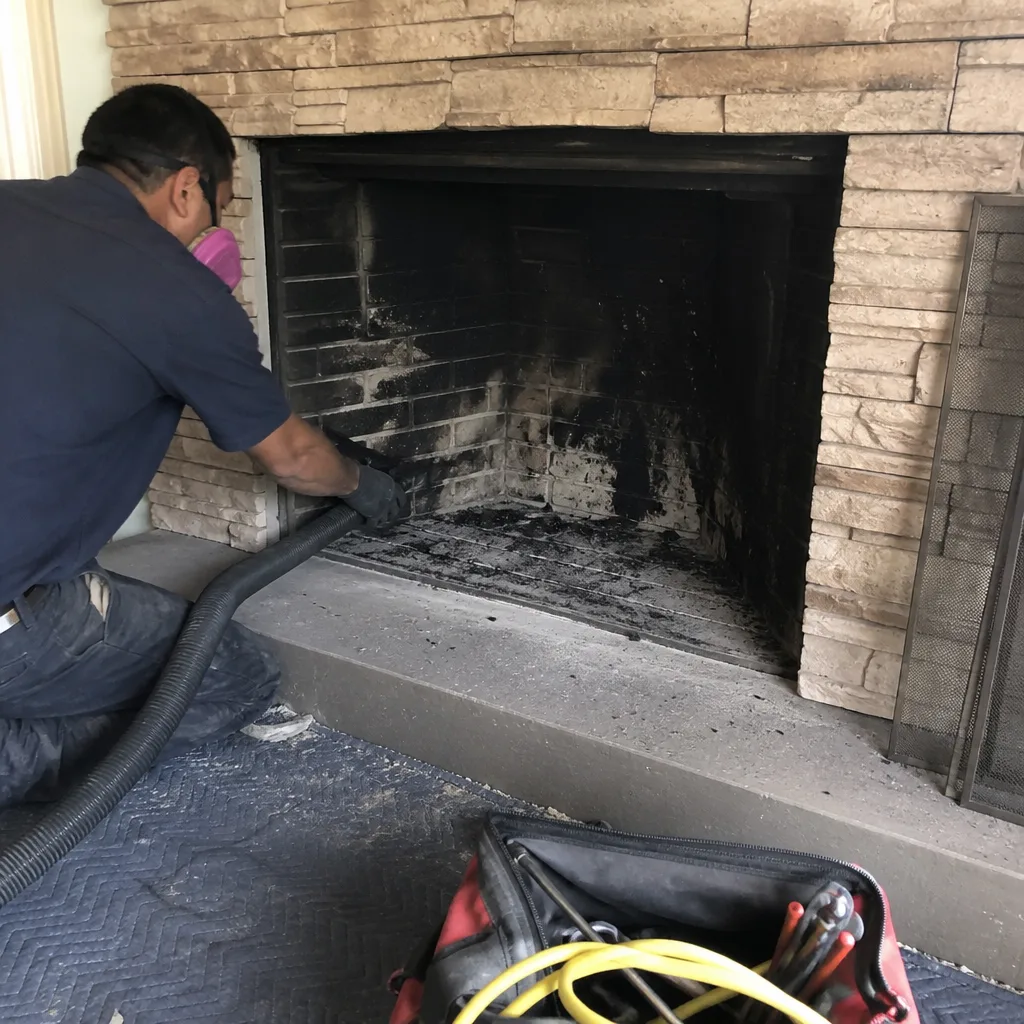 Before
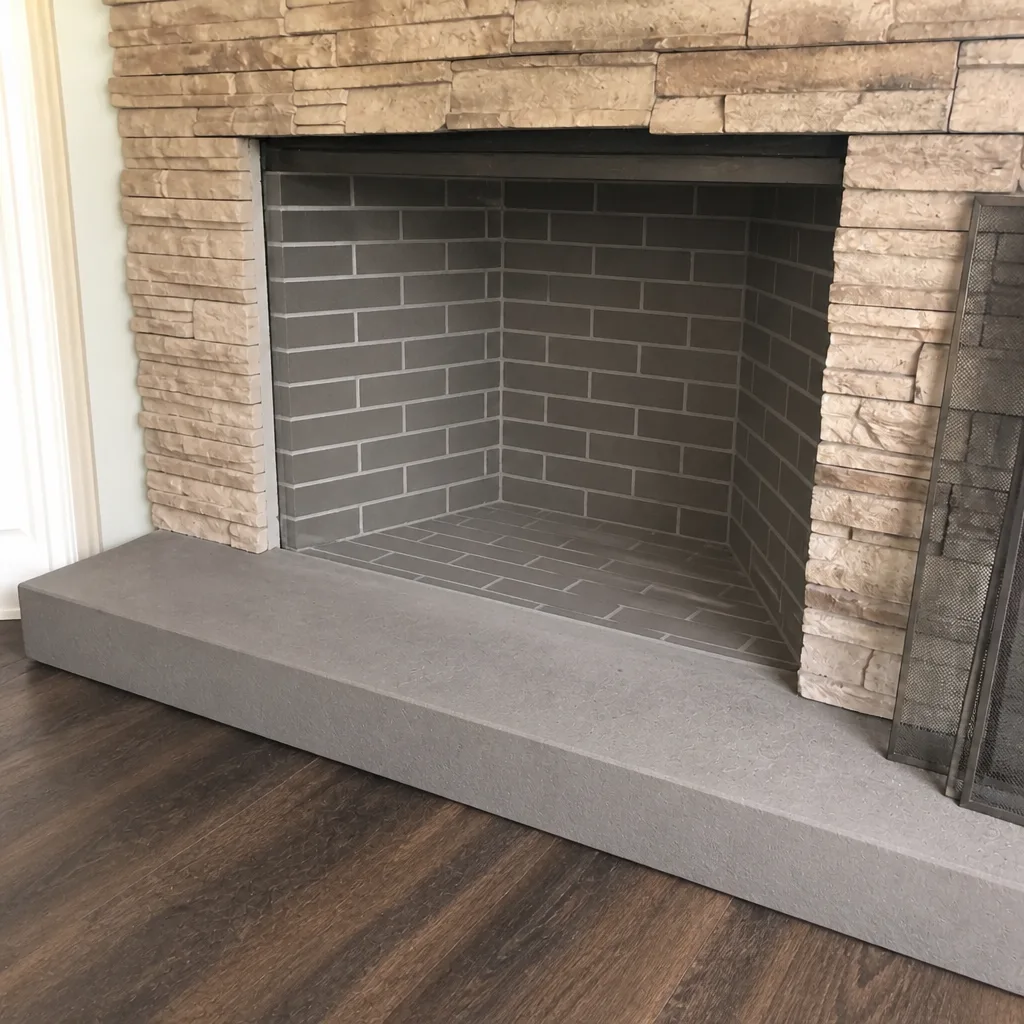 After
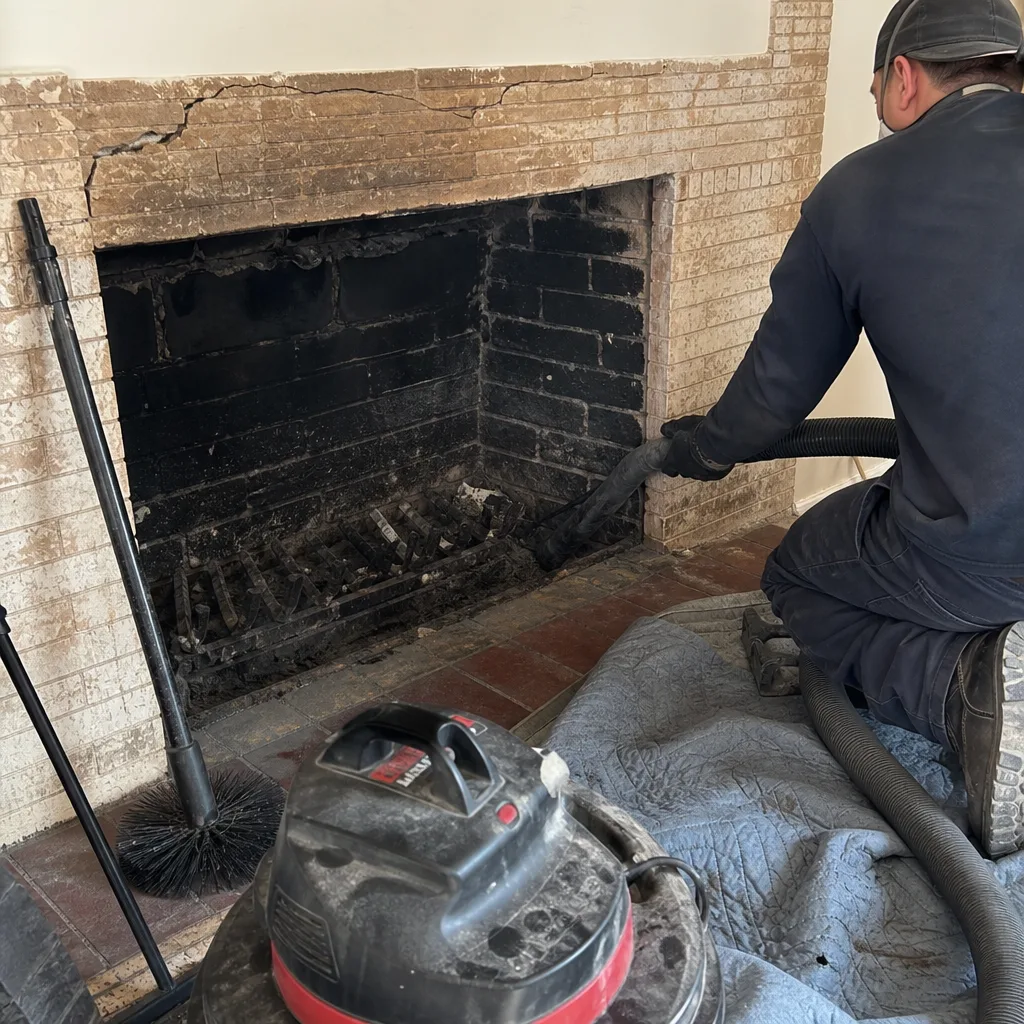 Before
 After
 Before
 After