
Last updated November 5, 2026
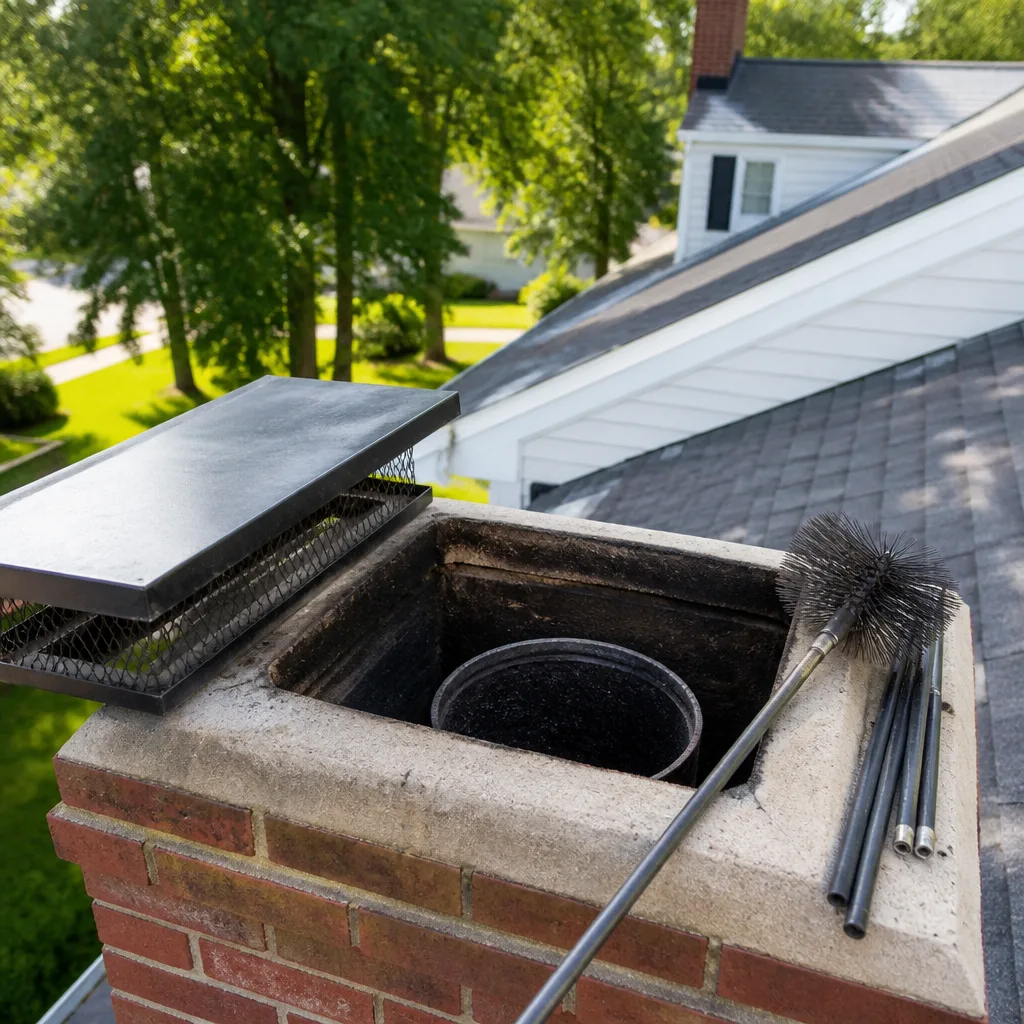 Sweep & inspection
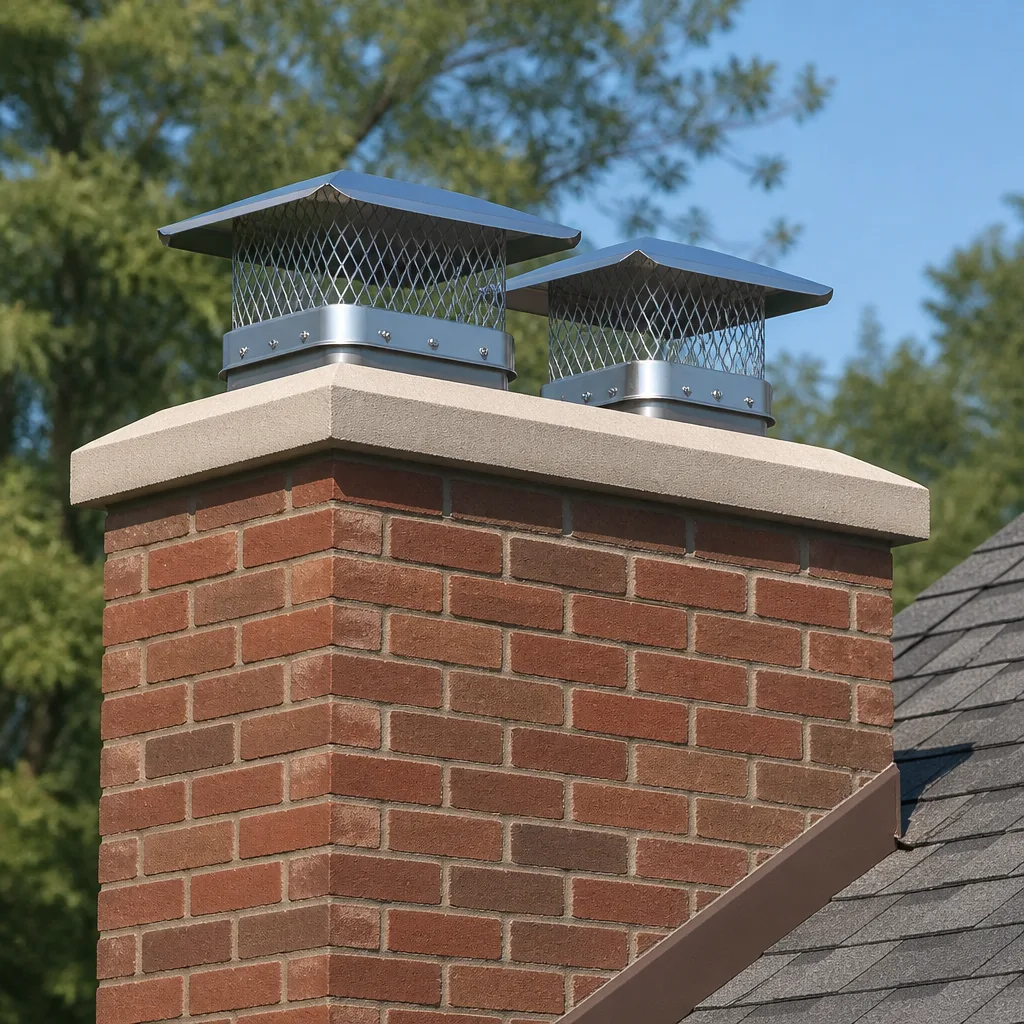 Caps & crowns
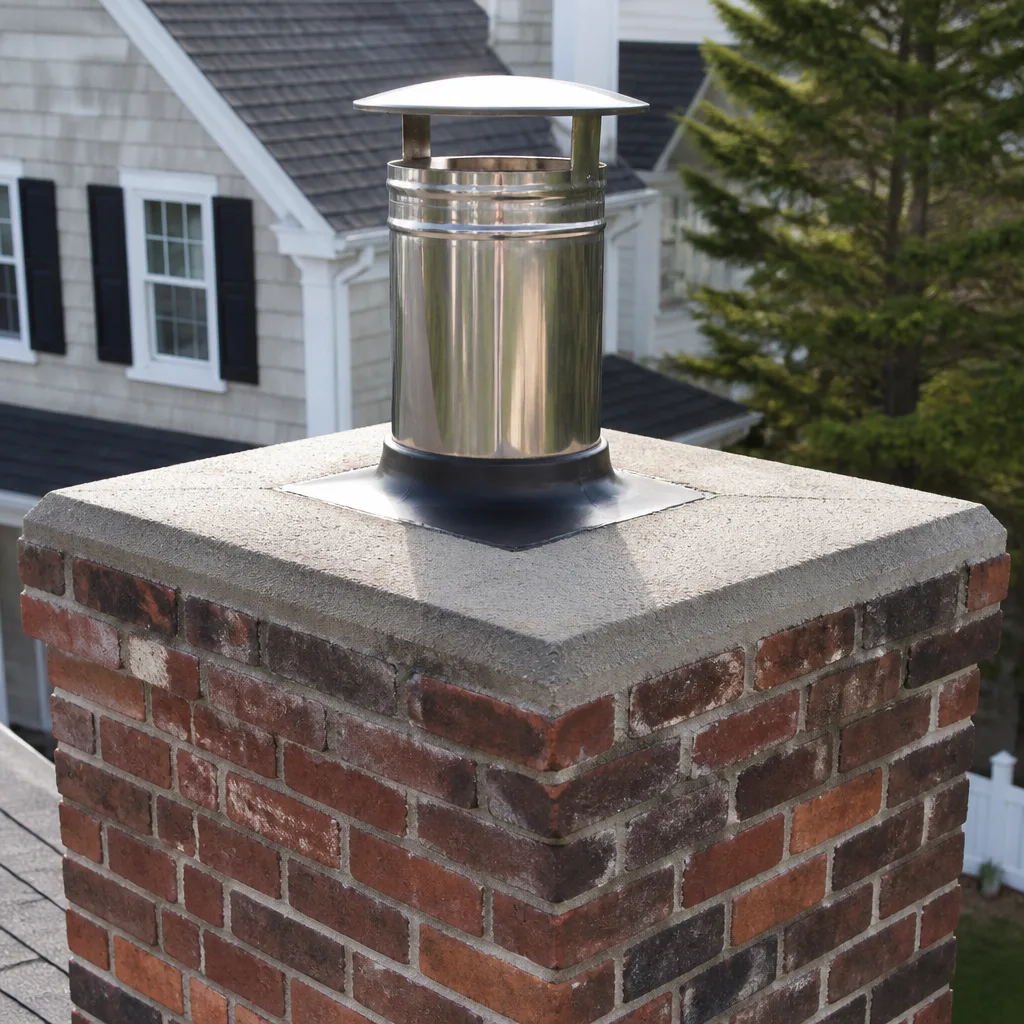 Flue relining
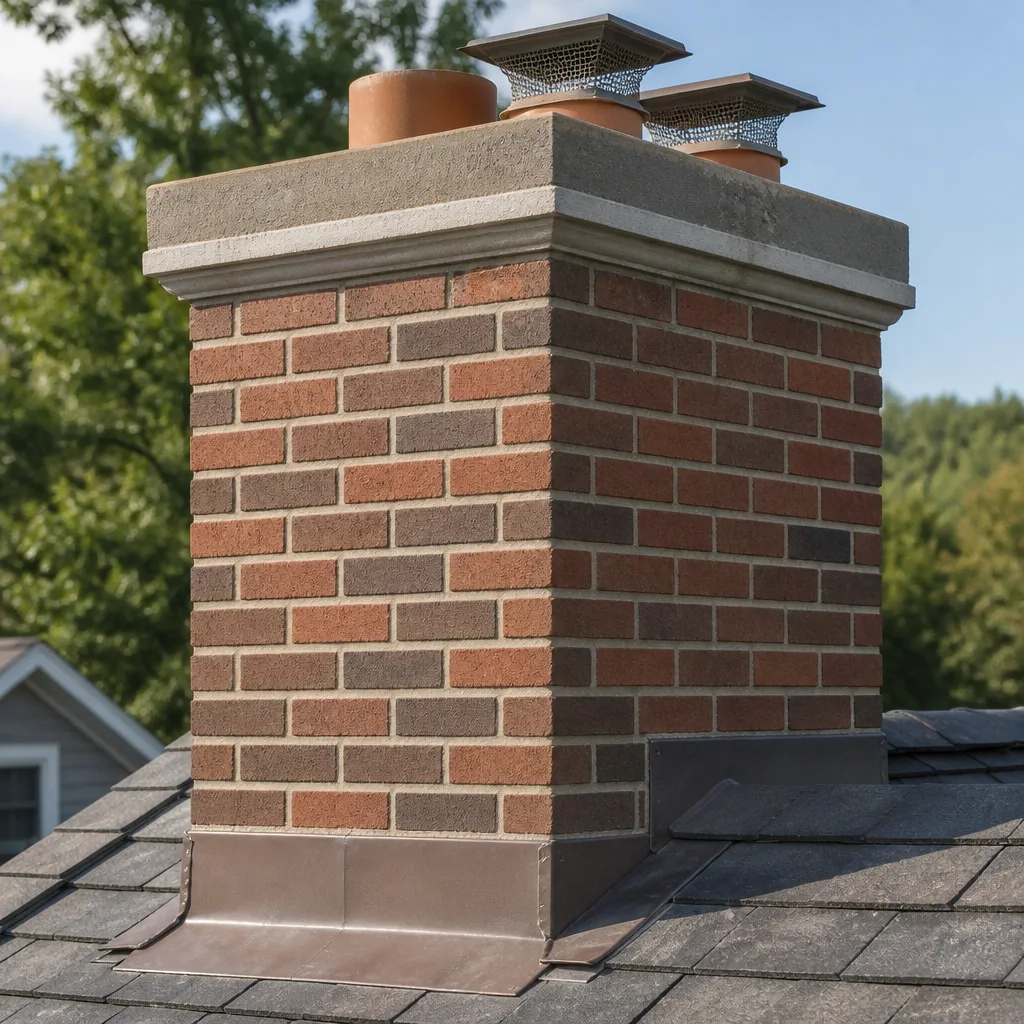 Masonry repair
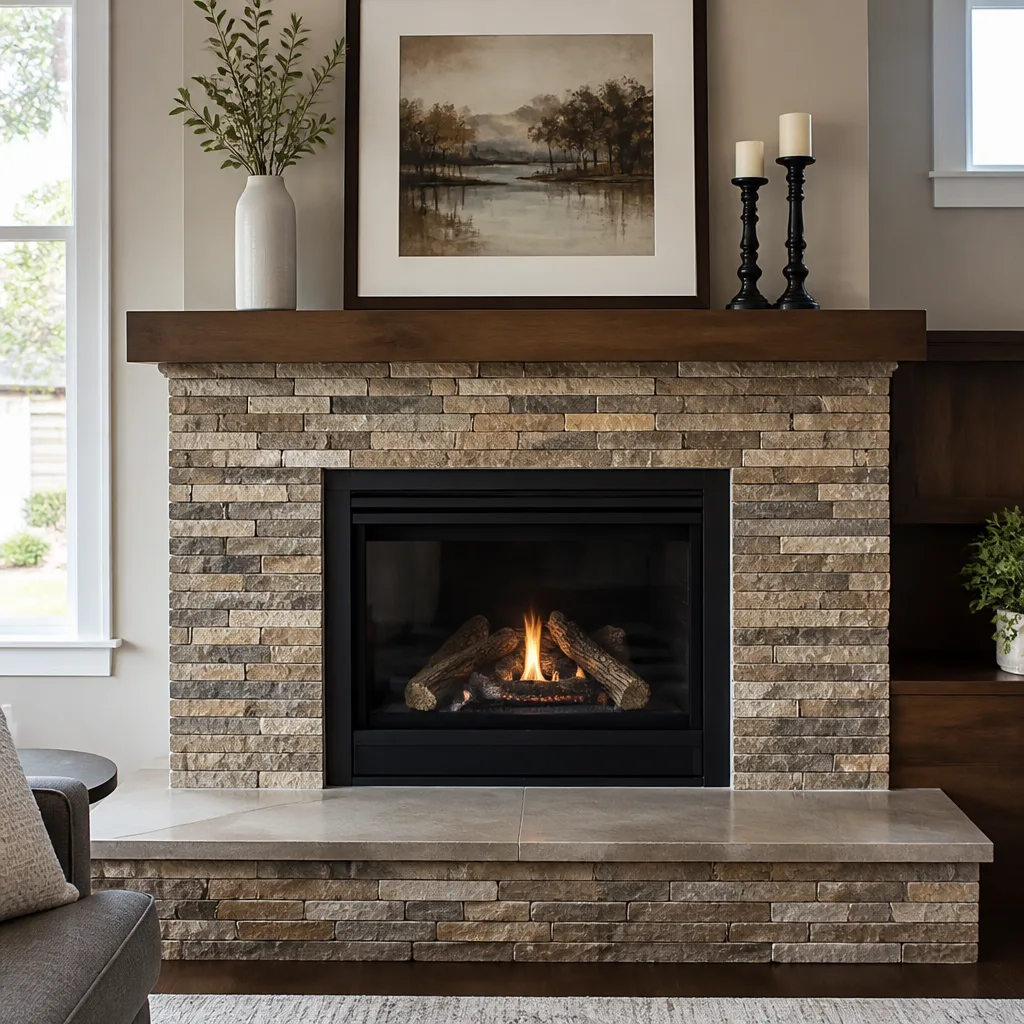 Gas fireplace service
Level 1 sweep and inspection to the NFPA 211 annual standard - flue, crown, cap, and flashing checked and photographed
Chimney sweep logs do not sweep chimneys. They loosen some creosote - which then falls where a brush and vacuum still have to collect it.
Chimney Sweep Maintenance Schedule: What to Do and When
A single annual sweep is the floor, not the ceiling. The actual maintenance calendar for your chimney depends on fuel type, how often you burn, and what your liner is made of. Collapsing all of that into “get it swept once a year” is exactly how minor issues turn into structural failures. This guide walks through what to do month by month, how gas inserts differ from wood-burning fireplaces, what you can check yourself, and when professional attention in Mission Valley is genuinely warranted.
Styles & brands we work with
- Sweep & inspection
- Caps & crowns
- Flue relining
- Masonry repair
- Gas fireplace service
Quick Answer
A wood-burning fireplace used regularly should be swept after every cord of wood burned, with a professional inspection at least once a year. Gas inserts and pellet stoves have longer intervals but need annual inspection for different reasons. The real schedule is driven by fuel type, usage volume, and liner material, not a calendar date.
Table of Contents
- Why “Once a Year” Is Not the Whole Standard
- Fuel Type Tiers: Gas, Wood, and Pellet Schedules
- A Month-by-Month Maintenance Calendar for Mission Valley
- Liner Materials: Why DuraFlex, Clay Tile, and Cast-in-Place Age Differently
- What a Homeowner Can Do Between Professional Visits
- Documenting Your Chimney’s History for Insurance and Real Estate
- Common Mistakes to Avoid
- When to Call a Professional
- Frequently Asked Questions
- The Bottom Line
Why “Once a Year” Is Not the Whole Standard
NFPA 211 says inspect annually. Most homeowners stop reading there. But that same standard also calls for inspection after any event that could have caused damage, after chimney fires even small ones, and whenever you change fuel sources. That second half is what actually keeps homes safe, and it is where the once-a-year habit falls apart.
Think about what a chimney does between inspections. Creosote builds up at different rates depending on how hot your fires burn, what kind of wood you use, and how often you actually light one. A homeowner who burns three cords of oak through winter is not in the same category as someone who runs a gas insert for two months. Yet both often operate on the same once-a-year sweep cadence. That is not a maintenance schedule. That is a guess.
In Mission Valley, the equation shifts again. Winters are mild, which means wood-burning season is shorter than in colder climates. That sounds like good news, and in some ways it is. But shorter seasons also mean longer dormant periods, and dormant chimneys develop their own problems: creosote oxidation, moisture settling into masonry, and caps loosening after winter rains. A chimney that sits unused for nine months is not fine by default. It needs a different kind of attention.
We have worked with homeowners across Mission Valley who assumed their chimney was clean because they had not used it much. What we often find is exactly the opposite: a fireplace that was put away wet, with a half-inch of creosote still on the flue walls from last season. That creosote does not disappear. It hardens, oxidizes, and becomes more difficult to remove the longer it sits.
The practical takeaway is this: annual inspection is a baseline, not the whole job. The real calendar accounts for fuel, usage, liner material, and local weather patterns. That is what the rest of this guide maps out.
Fuel Type Tiers: Gas, Wood, and Pellet Schedules
Wood-Burning Fireplace Owners
This is the group with the shortest sweep interval. A wood fire produces creosote on every burn. The rate depends on wood quality, burn temperature, and how long the fire smolders before it gets hot. A general rule that holds up well in the field: sweep after every cord of wood burned, or at minimum once per season, whichever comes first.
In Mission Valley, a typical wood-burning household might burn half a cord to a full cord over the winter. That puts most homes in the once-per-season category, with a sweep in late summer or early fall before the first fire. Homes that burn more than three cords should plan on a mid-season inspection and likely a second sweep.
Creosote comes in three stages. Stage one is flaky and brushes off easily. Stage two is granular and harder, requiring more aggressive mechanical cleaning. Stage three is a hardened glaze that can require chemical treatment or removal with specialized tools. The longer you wait, the harder all of it gets. That is not a sales line. It is the physical behavior of creosote as it oxidizes and bakes onto flue walls.
Gas Insert Owners
Gas does not produce creosote, which leads many homeowners to believe gas inserts need no maintenance. That belief is wrong. Gas combustion produces water vapor and acidic condensate. Over time that mixture corrodes flue components, degrades gaskets, and can create blockages from fallen debris or pest intrusion.
The sweep interval for gas is typically every two to three years, but the inspection interval remains annual. A gas insert inspection checks the burner, the log set, the venting, and the termination cap. We also check for carbon monoxide issues, which are the primary hazard in a poorly vented gas system.
One detail gas insert owners in Mission Valley should know: units that are decorative and rarely used still need their termination caps checked. Birds build in caps regardless of how often the gas runs. A blocked cap on a gas insert can push combustion byproducts back into the living space. That is not a theoretical risk. It is a routine finding.
Pellet Stove Users
Pellet stoves sit between wood and gas. They burn cleaner than cord wood but still produce ash and fine particulate that coats the venting. The standard recommendation is to sweep the vent pipe after every ton of pellets burned. For most Mission Valley homes, that works out to once per year, typically at the end of burning season.
Pellet venting is also narrower than standard masonry flues, which means blockages develop faster. A quarter-inch of ash buildup in a four-inch pellet vent is a bigger restriction than the same buildup in an eight-inch flue. Regular visual checks of the termination cap and exhaust path are worth doing monthly during heavy use.
A Month-by-Month Maintenance Calendar for Mission Valley
Mission Valley’s climate shapes the chimney calendar in ways that differ from colder or wetter regions. There is no freeze-thaw cycle to worry about, no ice dams, no snow load on caps. What there is: a long dry season, a short rainy winter season, and a burning season that typically runs from late October through early March. Here is what a year actually looks like.
Late Summer: August to September
- Schedule your pre-season inspection and sweep. This is the highest-demand window in Mission Valley, and booking early avoids the October rush.
- Do a visual check of your chimney cap from grade. Look for rust, shifted metal, or visible debris.
- Open the damper and check that it moves freely. A sticky damper in August is a warning sign, not a deal-breaker, but it should be addressed before the first fire.
- If you have a gas insert, test the ignition and listen for any change in the blower sound. Gas inserts that have sat all summer often develop minor ignition lag on first start.
Early Season: October to November
- Start with one or two small fires after your sweep. This confirms the draw is good and the smoke is going up, not into the room.
- Check for odor. A properly swept chimney should have minimal odor. A strong creosote smell after a sweep suggests something was missed or the flue is not drawing correctly.
- If you burn more than three cords per season, mark your calendar for a mid-season inspection in January.
Mid-Season: December to January
- Pay attention to any change in how the fire behaves. A fire that suddenly struggles to draw, or smoke that backs into the room, is a sign of a developing restriction.
- Check the area around the hearth for soot flakes or fine grit. This can indicate deteriorating flue tile or mortar joints.
- Homes burning heavily should schedule their mid-season sweep around the end of January.
Post-Season: March to April
- After the last fire of the season, schedule a post-season inspection if you burned more than a cord. This catches creosote while it is still soft and easy to remove.
- Check the cap and crown after winter rains. Mission Valley’s rainy season is concentrated in these months, and that is when moisture problems show up.
- Close the damper fully to keep conditioned air from escaping during the warm season.
Dormant Season: May to July
- Leave the damper closed. A closed damper prevents warm outdoor air from entering and cool indoor air from escaping.
- If you smell creosote or fireplace odor on hot days, that is a sign of creosote oxidation inside the flue. It happens when a chimney sits unused. Make a note for your pre-season sweep.
- Avoid using the fireplace as a vent or opening the damper for “air circulation.” It does the opposite.
Liner Materials: Why DuraFlex, Clay Tile, and Cast-in-Place Age Differently
The material inside your chimney is the single biggest variable in how it ages. A clay tile liner from the 1970s behaves nothing like a stainless flex liner installed last year. Knowing which one you have changes what you should look for between professional visits.
Clay Tile
Clay tile is the original liner material in most older Mission Valley homes. It handles heat well but is brittle. A chimney fire, even a small one, can crack tiles. Once cracked, the flue is no longer a continuous barrier between the fire and the wood framing around it. Cracked clay tile is a genuine fire hazard and a common reason for liner replacement or restoration.
Clay tile also absorbs moisture, which means the post-rain season is when problems tend to surface. A cracked tile that looked fine in October can show spalling or flaking by March after a wet Mission Valley winter.
DuraFlex Stainless Steel
DuraFlex is a professional-grade stainless liner system, the kind of material that shows up on certified chimney professionals’ trucks rather than hardware store shelves. It resists corrosion, handles high heat, and carries a real warranty when installed correctly. It does not crack like clay tile and does not absorb moisture the same way.
What it does need is periodic inspection of the termination cap and the connector joints. Stainless does not fail often, but a blocked cap or a poorly sealed top plate can still create problems. The liner itself might last decades, but the components around it need eyes on them.
Cast-in-Place
Cast-in-place liners are poured into the existing flue and form a seamless, insulated barrier. They are durable but less common in residential Mission Valley chimneys than clay or stainless. Inspection focuses on the crown and cap, since the liner body itself has no joints to fail.
When a clay tile liner is cracked but the masonry is otherwise sound, we often recommend HeatShield liner restoration before full relining. HeatShield is a specialist technique that rehabilitates the existing flue without demolition. It costs less than a full relining job and preserves the original structure. Not every chimney qualifies, but when it does, it is the smarter option.
What a Homeowner Can Do Between Professional Visits
There is a real difference between DIY maintenance and DIY repair. Repair involves tools, climbing, and risk. Maintenance involves observation. Here is what a cautious homeowner can do without a ladder.
Check the Damper Seal
Stand inside the fireplace and look up. The damper should close fully, with no visible gaps of light around the edges. A damper that does not seal lets conditioned air escape year-round and lets outdoor air in. If the damper is warped, rusted, or stiff, note it for your next professional visit. Do not force it.
Visual Cap Inspection from Grade
You can check a chimney cap from the ground. Look for a cap that is sitting level, with no visible rust streaks down the masonry. A cap that is shifted, missing mesh, or visibly separated from the crown needs attention. Caps are a primary entry point for birds, rodents, and rain. The caps we install use products from Copperfield and Famco, brands built for proper termination and weatherproofing rather than whatever is cheapest at the supply house.
Monitor for Odor Changes
Odor is information. A mild smoky smell during winter fires is normal. A strong creosote smell in July, with no fire burning, is not. It means creosote is oxidizing inside the flue, usually because the chimney was not swept before the dormant season. Odor on humid days can also indicate moisture absorption in masonry. If the smell changes suddenly, call sooner rather than later.
Keep a Burn Log
This is the single most useful thing a homeowner can do. Write down every fire: date, approximate burn time, type of wood, and anything unusual you noticed. A burn log turns guesswork into data. When we ask how much you have burned, most people estimate. A log gives us the real number, and that changes the sweep recommendation.
Documenting Your Chimney’s History for Insurance and Real Estate
In California, a chimney’s maintenance history matters in two concrete situations: homeowner’s insurance claims and real estate disclosure. Both work better with documentation.
Insurance companies ask two questions after a chimney-related claim: when was the last professional inspection, and what was found. A verbal answer is weak. A dated invoice from a chimney sweep that describes the condition of the flue, the liner material, and any recommendations is strong. Keep every invoice. Keep photos if you can. If you ever file a claim, that paperwork is the difference between a smooth process and a denied one.
Real estate disclosure in California requires sellers to disclose known defects. A chimney with no history is a question mark. A chimney with ten years of dated inspection records is an asset. Buyers in Mission Valley increasingly ask for chimney documentation before closing, and homes with a clean paper trail sell faster.
What should a record include? The date, the company name, the work performed, the condition of the liner, the condition of the cap and crown, and any recommendations made. If restoration work like HeatShield liner restoration was performed, keep that documentation separate. It proves the flue was rehabilitated, not just swept.
Common Mistakes to Avoid
- Burning unseasoned wood. Wet or green wood smolders at low temperatures and produces creosote at an accelerated rate. Seasoned hardwood burns hotter and cleaner. In Mission Valley’s mild climate, wood stacked outdoors seasons slowly, so plan ahead.
- Closing the damper too soon after a fire. Wait until the embers are fully out and the firebox is cool. Closing it too early traps smoke and moisture inside the flue and accelerates creosote adhesion.
- Using the fireplace as a trash incinerator. Burning paper, cardboard, or treated wood produces fast, hot fires that can damage the liner and create floating embers. A fireplace is not a disposal system.
- Skipping the inspection because the chimney “looks fine.” The most dangerous problems are inside the flue, where you cannot see them. A blocked cap, a cracked liner, or stage three creosote all look fine from the hearth.
- Assuming a gas insert needs nothing. Gas units need annual inspection for carbon monoxide risk, venting blockages, and component wear. The assumption that gas equals maintenance-free is the most common misconception we encounter in Mission Valley.
- Ignoring odor changes. A new smell from your fireplace is a diagnostic signal, not a nuisance. Strong creosote odor in warm weather means oxidation. A musty smell after rain means moisture. Both are fixable, but only if addressed.
- Forgetting the dryer vent. The dryer vent cleaning schedule is separate from the chimney schedule, but both are fire-risk systems. Lint buildup is one of the leading causes of residential house fires. If you are already scheduling a chimney sweep, the dryer vent should be part of the same conversation.
When to Call a Professional
Call a professional when you see smoke backing into the room, when you notice a sudden change in how the fire burns, when you smell strong creosote in warm weather, or when you have not had an inspection in more than a year. Also call after any event that could have caused damage: a chimney fire, a storm that dislodged the cap, or a change in fuel source. These are not the situations where you wait for the next scheduled visit. They are the situations where the next visit should be whatever day the crew can get to you.
Chimney Sweep Mission Valley offers free estimates in Mission Valley. Call (877) 752-2758 and describe what you are seeing. We answer 24/7. Fast dispatch from 7am to 7pm, Sunday through Friday.
Frequently Asked Questions
A wood-burning chimney in Mission Valley should be swept after every cord of wood burned, with an annual inspection as the minimum. Most homes burn less than a cord per season, which means one professional sweep per year is sufficient. Homes burning more than three cords need a mid-season sweep. Call (877) 752-2758 for an exact recommendation based on your usage.
Gas fireplaces do not produce creosote, so they do not need sweeping in the traditional sense. They do need annual inspection of the burner, venting, and termination cap, plus periodic cleaning of accumulated debris and corrosion. Gas inserts that are never inspected can develop dangerous carbon monoxide issues. Call (877) 752-2758 to schedule a gas insert inspection.
Skipping a year of maintenance means creosote sits in the flue for 24 months instead of 12. In that time it hardens, oxidizes, and becomes more difficult and more expensive to remove. If you skipped a year in Mission Valley, do not panic, but do schedule a sweep before the next burning season. The longer creosote sits, the more aggressive the cleaning needs to be.
Every job is priced per the written estimate, and estimates are free. The cost depends on the condition of the flue, the type of liner, the amount of creosote present, and whether any components like the cap or damper need attention. Call (877) 752-2758 for a free estimate and a clear explanation of what your chimney actually needs.
Not every damaged liner needs full replacement. Cracked clay tile can often be rehabilitated with HeatShield liner restoration, a specialist technique that restores the existing flue without demolition. The right answer depends on the condition of the liner and the surrounding masonry. A camera inspection shows you exactly what the liner looks like, so you are making a decision based on evidence, not a sales pitch. Call (877) 752-2758 to schedule a camera inspection.
The biggest mistake is treating once-a-year sweeping as the entire maintenance plan and ignoring what happens between visits. Chimneys in Mission Valley sit dormant for nine months a year, and that dormancy creates its own problems: creosote oxidation, moisture settling into masonry, and caps loosening. The fix is a real calendar based on your fuel type and usage, not a default annual date. Call (877) 752-2758 if you want a schedule specific to your home.
The Bottom Line
A chimney maintenance schedule is not one date on a calendar. It is a system built around what you burn, how much you burn, and what your liner is made of. Wood-burning fireplaces need the shortest sweep intervals. Gas inserts need different attention. Clay tile, stainless DuraFlex, and cast-in-place liners all age differently and send different warning signs. A homeowner who logs burns, checks the damper and cap, and pays attention to odor is ahead of the game. A professional sweep once per year sets the baseline. Everything else is about reading the signals your chimney gives you.
Written by the team at Chimney Sweep Mission Valley, serving Mission Valley since 2016.
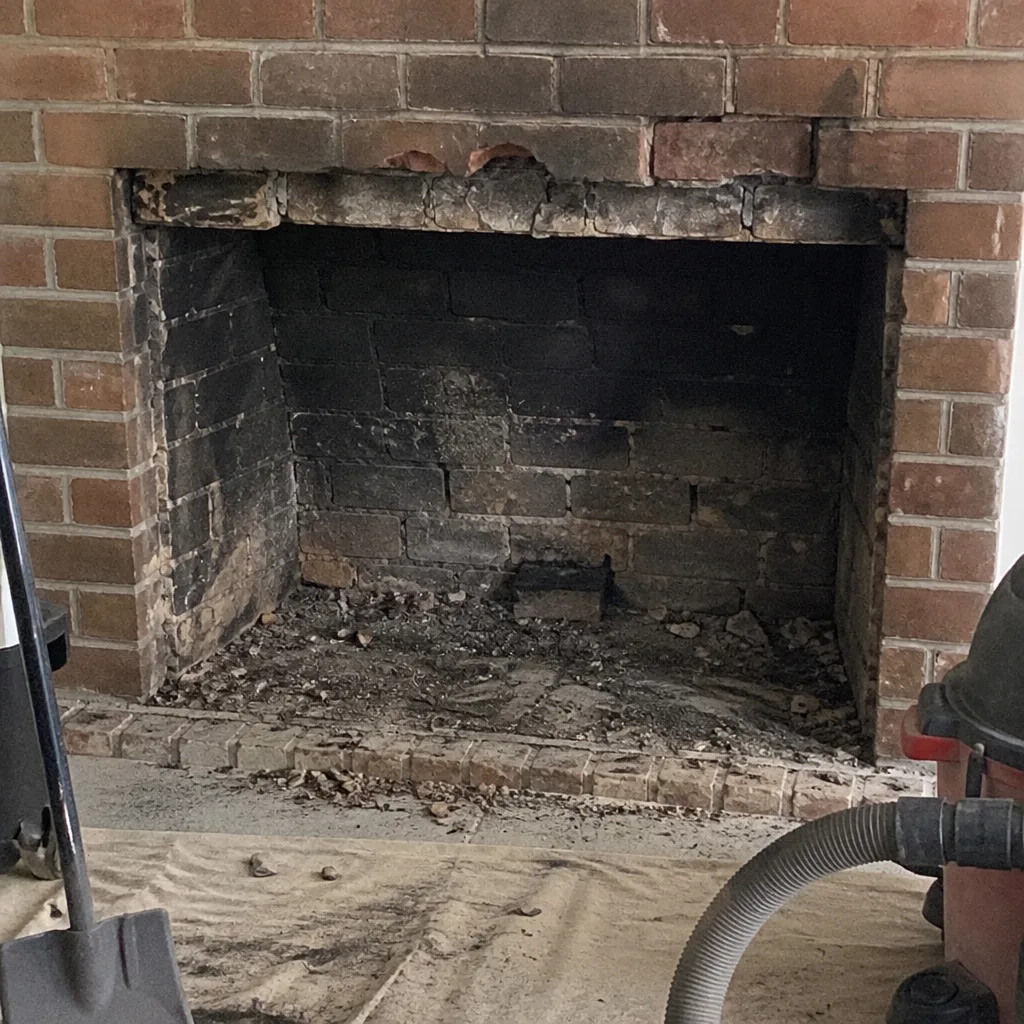
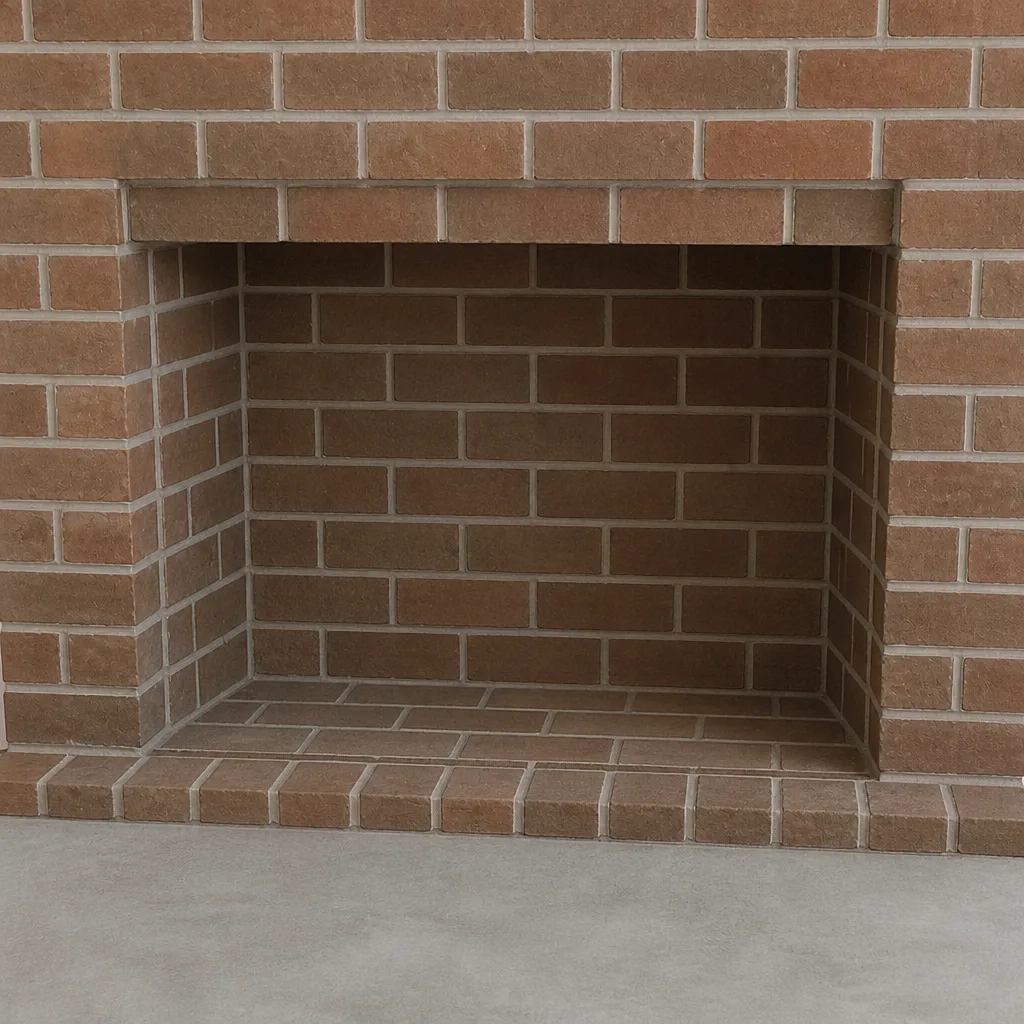
See the difference
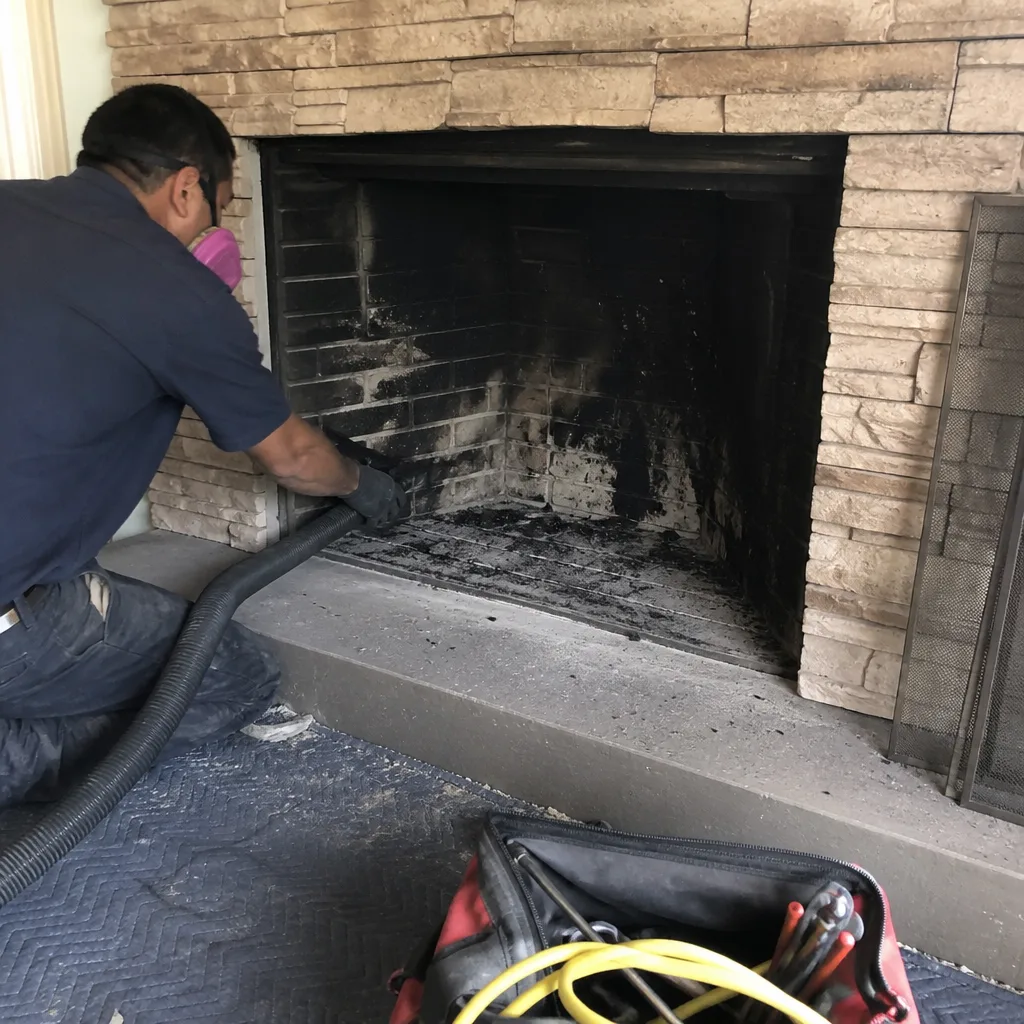 Before
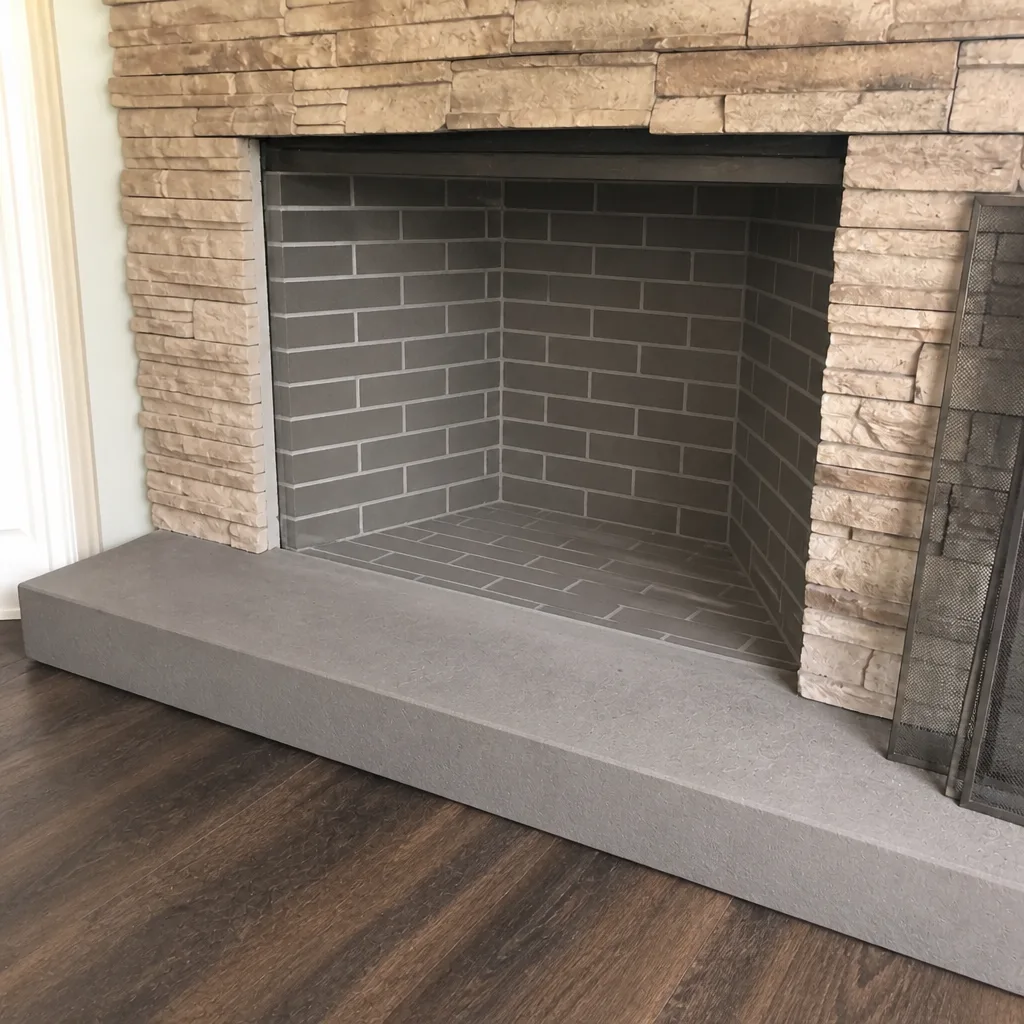 After
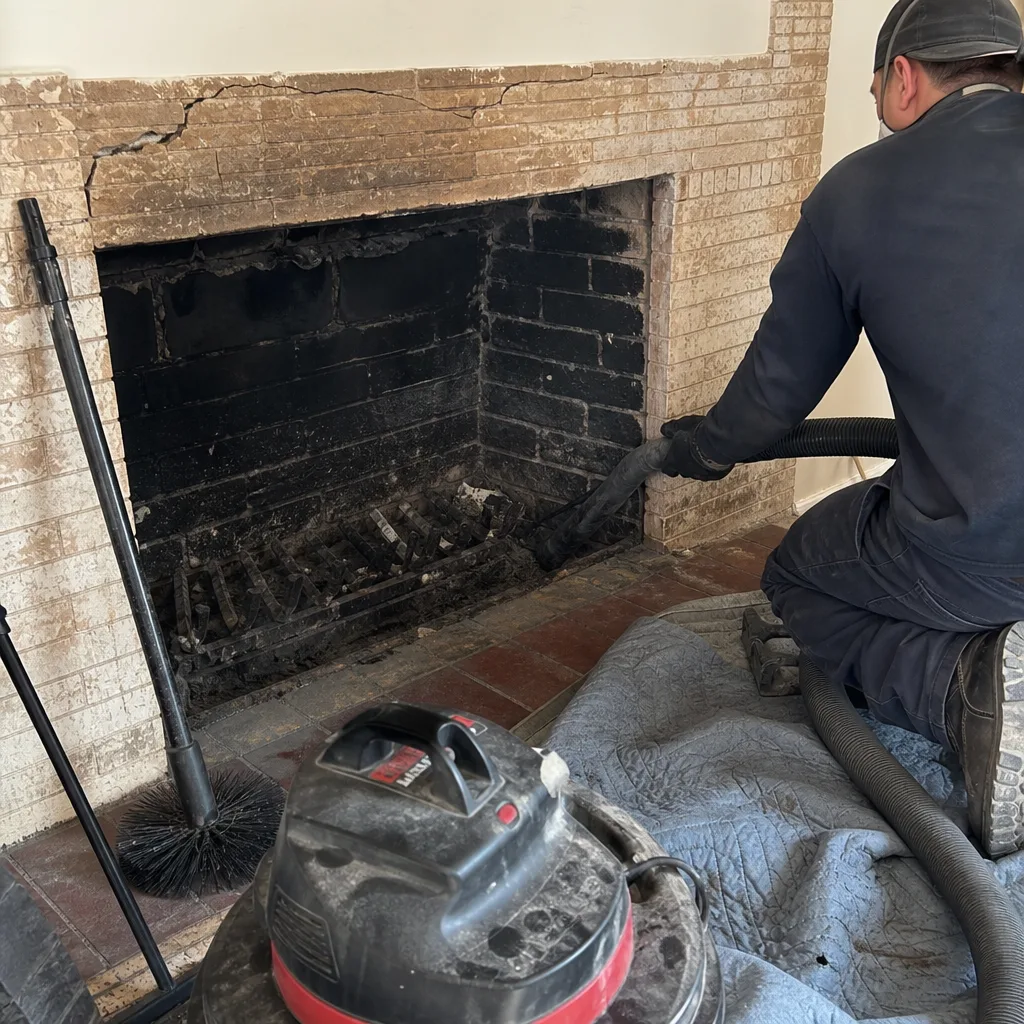 Before
 After
 Before
 After