
Last updated November 5, 2026
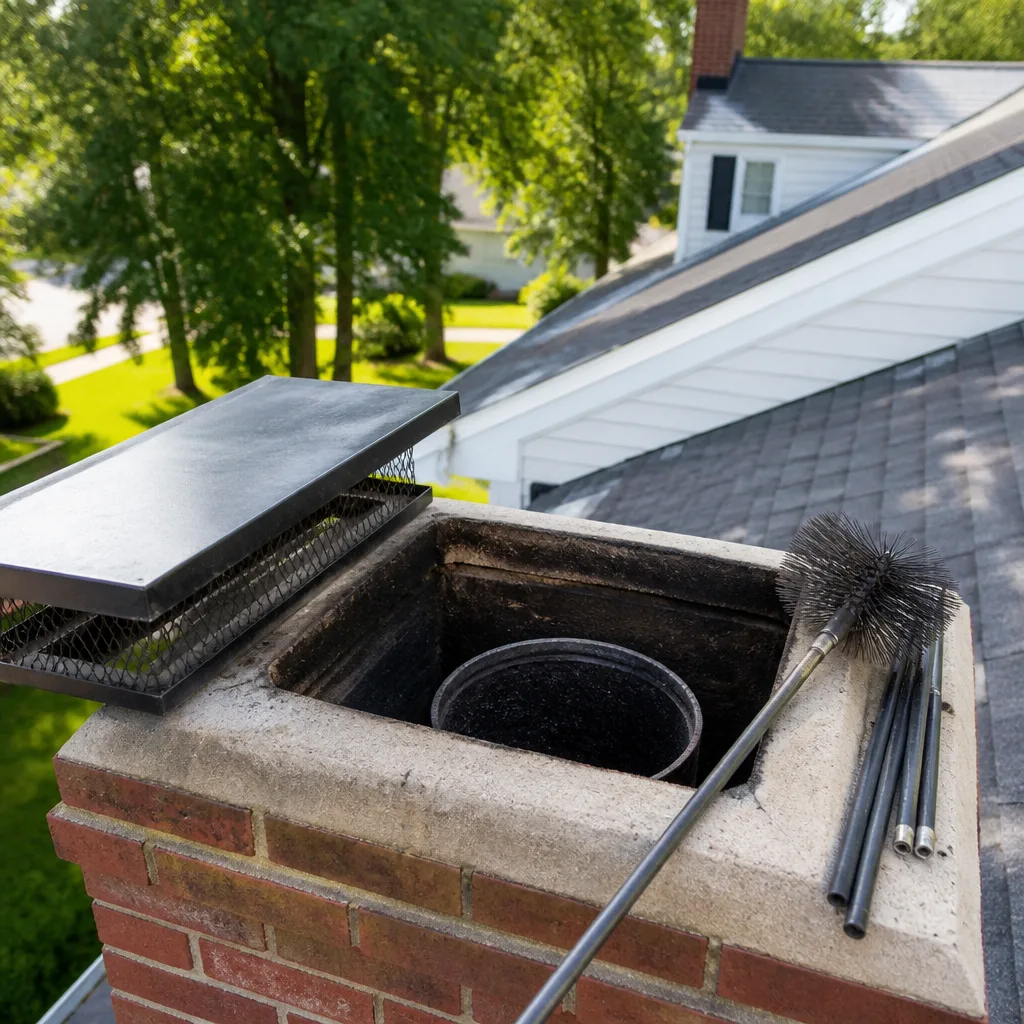 Sweep & inspection
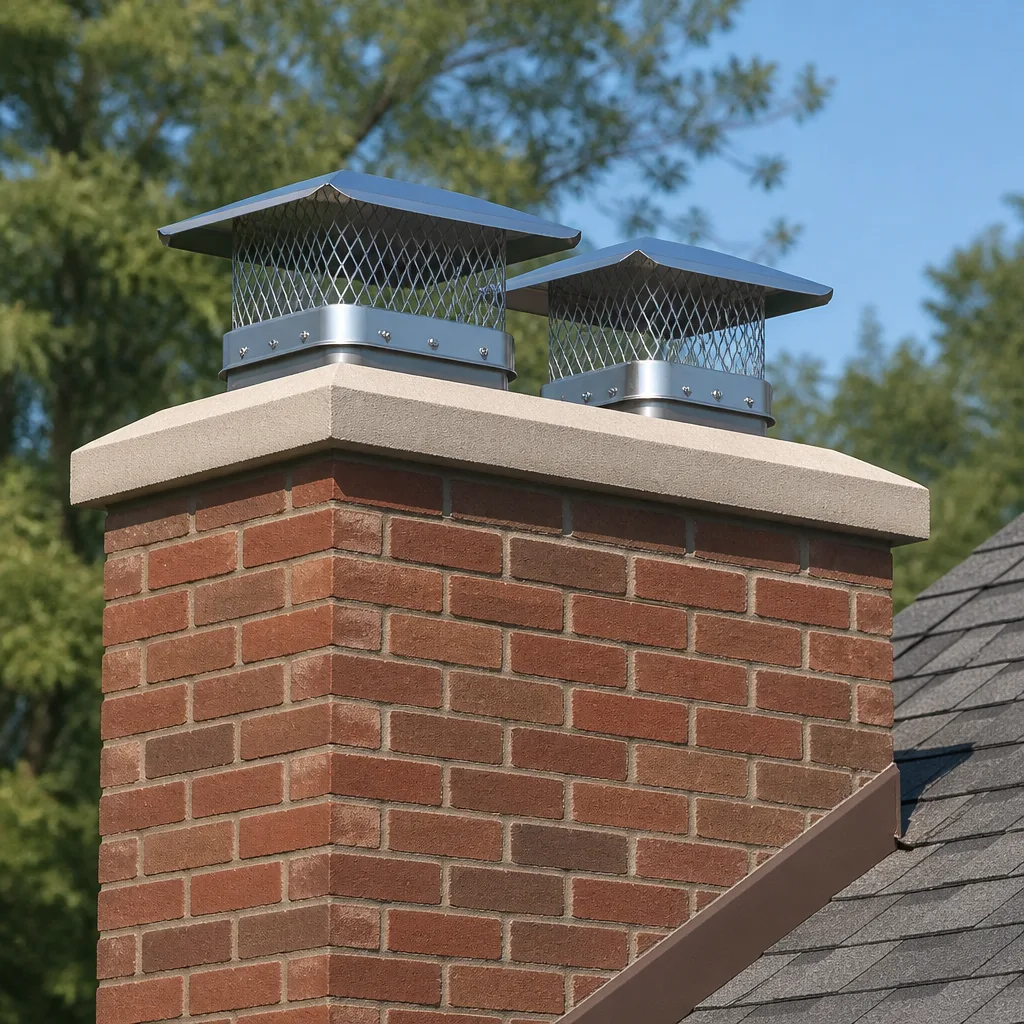 Caps & crowns
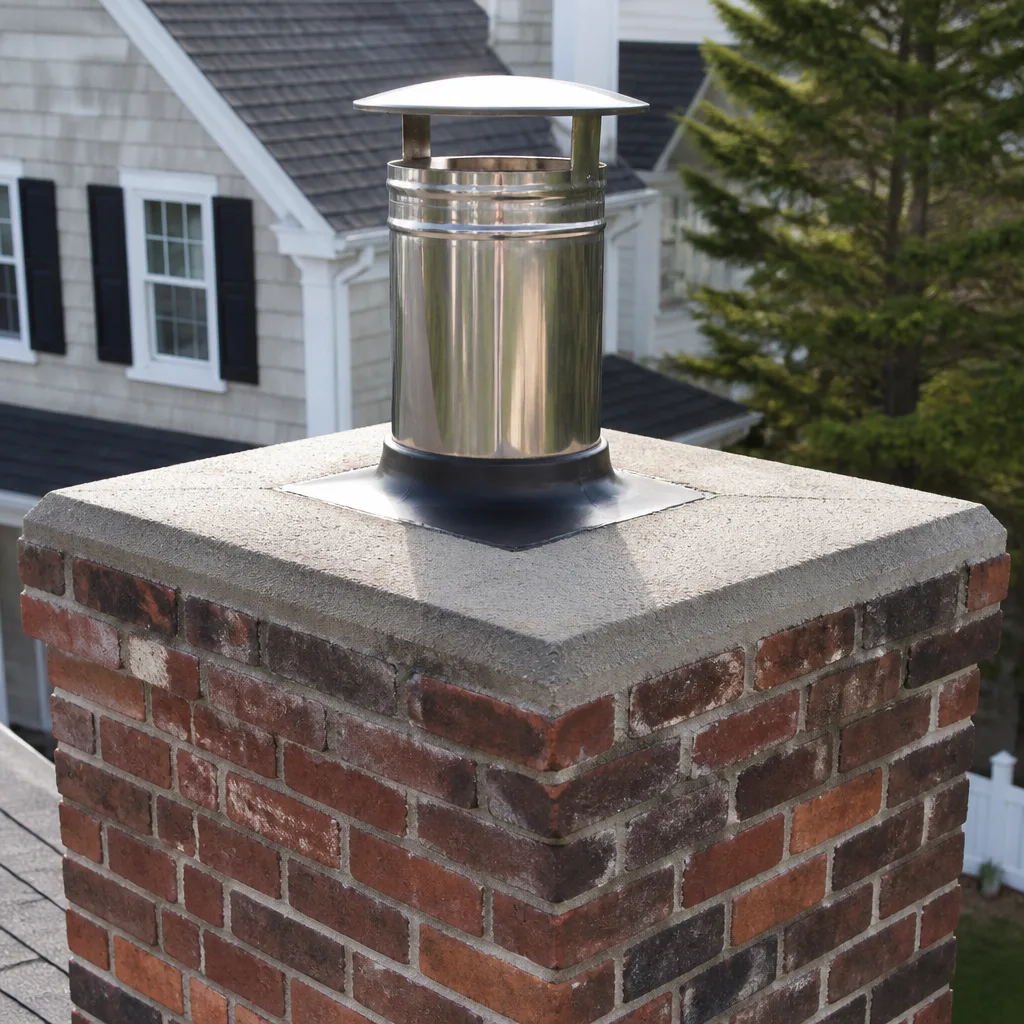 Flue relining
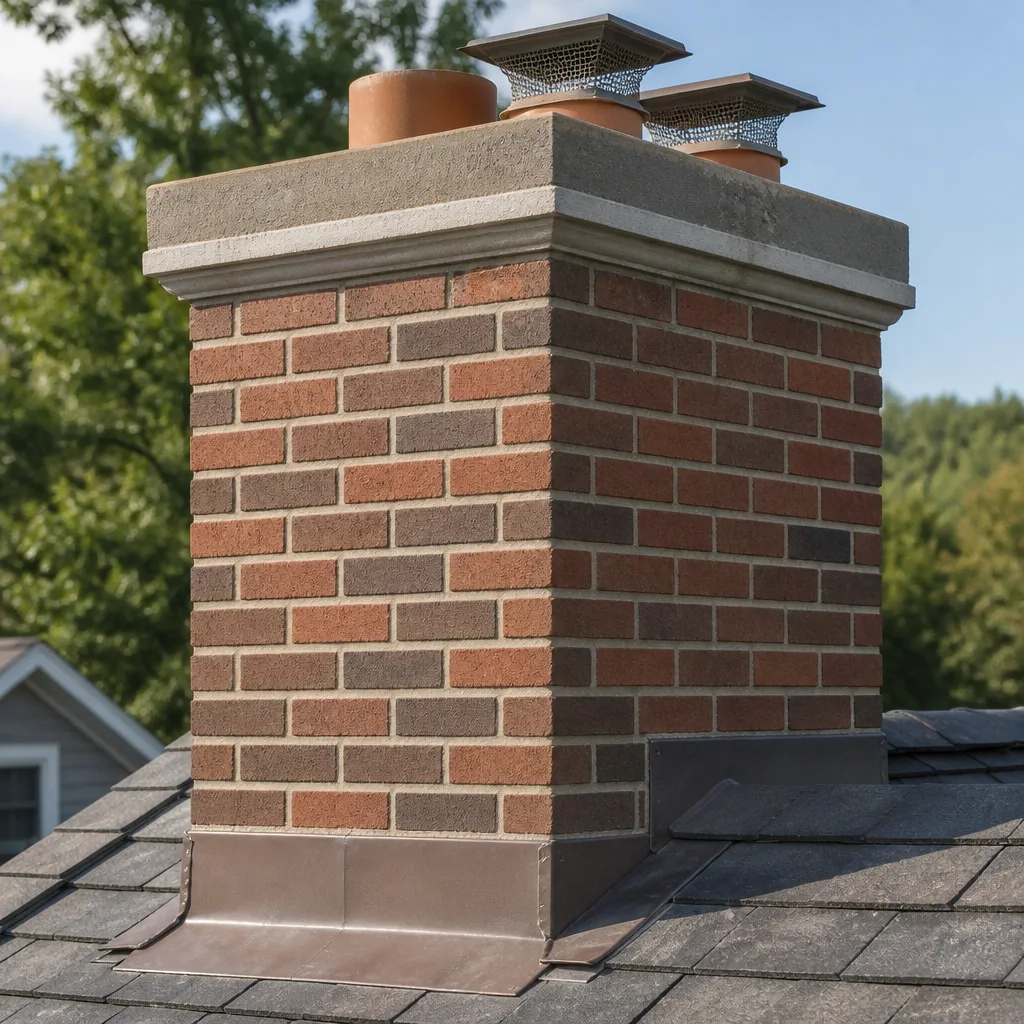 Masonry repair
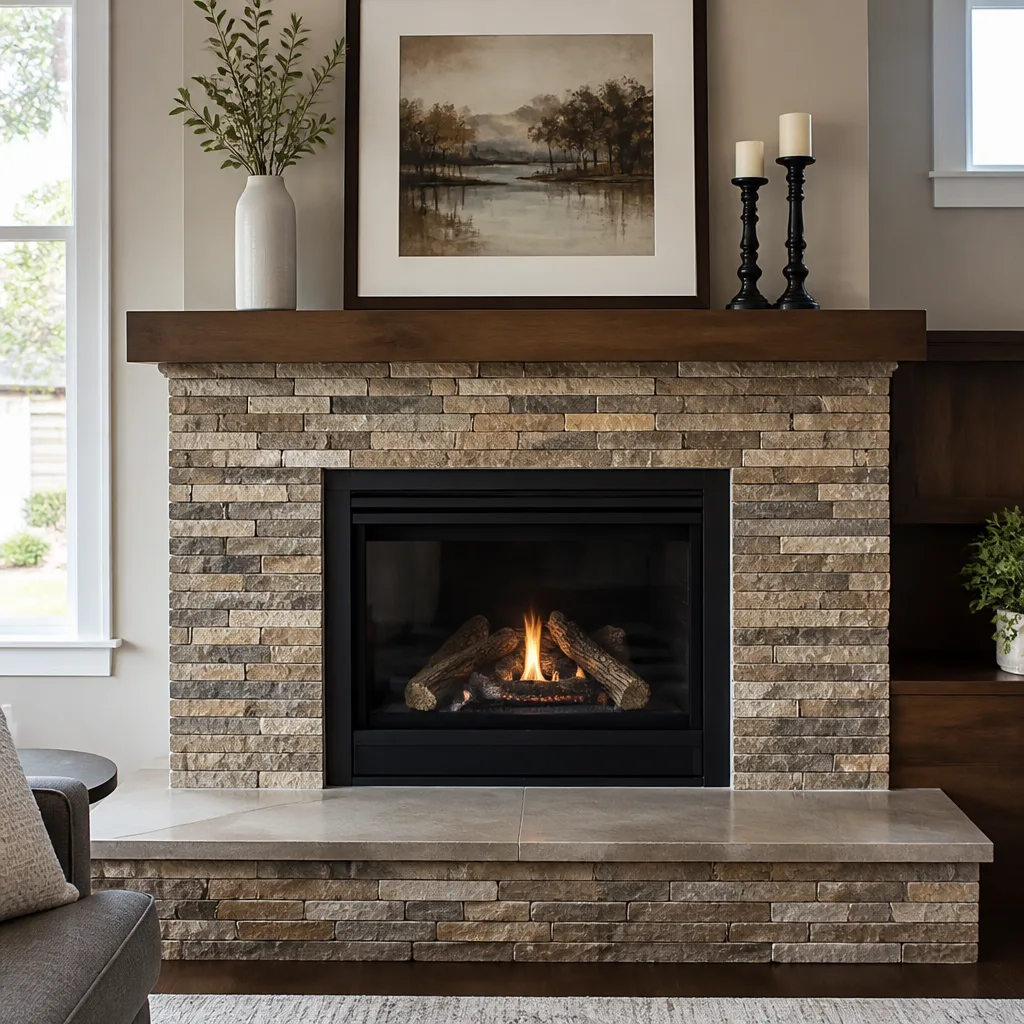 Gas fireplace service
Level 1 sweep and inspection to the NFPA 211 annual standard - flue, crown, cap, and flashing checked and photographed
Chimney sweep logs do not sweep chimneys. They loosen some creosote - which then falls where a brush and vacuum still have to collect it.
Chimney Sweep Troubleshooting in Mission Valley: Common Problems and How to Fix Them
If smoke is rolling into your living room, the instinct is to call someone fast. But the fix for a blocked flue cap looks nothing like the fix for a collapsed flue tile, and misdiagnosing it wastes both money and time. Most chimney problems homeowners chalk up to “the fireplace acting weird” have a specific, diagnosable cause. Knowing which symptom points to which failure mode is the difference between a cleaning that costs a couple hundred dollars and a liner replacement you didn’t catch in time. In Mission Valley, where we run hundreds of inspections a year, the pattern is consistent: the earlier a symptom gets identified, the less invasive and expensive the repair.
Quick Answer
Chimney troubleshooting in Mission Valley starts with matching the symptom to the failure: smoke entering the room points to backdraft, downdraft, a blocked flue cap, or negative house pressure, each with its own test. Creosote buildup, cracked flue tiles, spalling mortar, and separated liner joints are the other common culprits, and each has a distinct visual signature. Our chimney sweep service covers the diagnosis and the fix, using professional-grade materials like DuraFlex liners and HeatShield restoration when replacement is the right call.
Styles & brands we work with
- Sweep & inspection
- Caps & crowns
- Flue relining
- Masonry repair
- Gas fireplace service
Table of Contents
- Why Smoke Comes Into the House: Backdraft vs. Downdraft vs. Blocked Cap vs. Negative Pressure
- Creosote Stages: What First, Second, and Third Degree Buildup Looks Like
- Spalling Mortar, Cracked Flue Tiles, and Separated Liner Joints: What Each Looks Like on Camera
- Why Mission Valley’s Climate Accelerates Moisture Intrusion and Mortar Deterioration
- DIY Fixes That Are Legitimate vs. Ones That Make Code Deficiencies Worse
- Dryer Vent Problems That Mirror Chimney Symptoms
- Common Mistakes to Avoid
- When to Call a Professional
- Frequently Asked Questions
Why Smoke Comes Into the House: Backdraft vs. Downdraft vs. Blocked Cap vs. Negative Pressure
Smoke in the living room is never normal, and it is rarely one single cause. Four distinct failure modes produce that symptom, and each has a different fix. We walk through these diagnostics with homeowners in Mission Valley every week, and the first step is always the same: identify which failure you’re dealing with before anyone touches a brush or a trowel.
Backdraft happens when the chimney reverses direction and pulls air down instead of exhausting it up. The most common test is simple: light a match or a piece of incense near the fireplace opening. If the smoke gets pulled into the room instead of drifting up the flue, you have a backdraft. Cold air sitting in a cold flue is a frequent trigger, especially in Mission Valley’s mild winter mornings when a fireplace hasn’t been lit in months. The chimney needs to be primed, which means warming the flue air before the fire gets going.
Downdraft is different: the chimney drafts upward normally, but wind or external pressure pushes smoke back down. This is often a termination problem. A missing or undersized chimney cap, a cap installed too low, or a flue terminating below the roof’s wind zone all contribute. The fix is typically a properly sized cap from a brand like Gelco or Copperfield, installed at the right height with the right clearance. In our experience, most downdraft calls in Mission Valley trace back to a cap that was never upgraded when the home was built.
A blocked flue cap is the third possibility. Leaves, debris, bird nests, or a deteriorating cap screen can restrict the flue. The visual check is straightforward: if you can safely see the top of your cap from the ground and it’s covered in nesting material or rusted mesh, that’s a likely cause. We run a camera up every flue we inspect, and a blocked cap is one of the most common findings on a first-time chimney sweep visit in Mission Valley.
Negative house pressure is the fourth cause, and it is the one most people never consider. Modern homes are built tight, and exhaust fans in bathrooms and kitchens, a running dryer, or a furnace pulling combustion air all compete for the same air the fireplace needs. When the house pressure drops below the pressure outside, the chimney becomes the air inlet. The test is another match or incense check, this time with an exterior door open. If the draft improves with the door open, negative pressure is the issue. The fix may be a make-up air vent, not a chimney repair at all.
Each of these has a different solution, and guessing wrong means paying for work that doesn’t stop the smoke. We walk homeowners through the diagnostic steps over the phone before we ever schedule a job, because sometimes the answer is a damper setting or an exhaust fan, not a service call.
Creosote Stages: What First, Second, and Third Degree Buildup Looks Like
Creosote is not one substance. It forms in three distinct stages as combustion byproducts condense on the flue wall, and each stage demands a different removal method. Understanding which stage you have tells you whether a standard sweeping will work or whether the liner needs professional restoration through a process like HeatShield.
First-degree creosote is a light, flaky, dusty layer. It brushes off easily with a standard wire or poly brush. A homeowner can sometimes see it as a sooty film on the damper or the first few feet of flue above the firebox. This stage is normal after a season of burning and is what a standard chimney sweep removes. The cost is modest and the process is quick.
Second-degree creosote is harder. It looks like crunchy, granular flakes, somewhat like burnt cornflakes. It does not come off with a basic sweeping alone and typically requires a rotary loop or chain head to break it off the flue wall. We see second-degree creosote frequently in Mission Valley homes that burn unseasoned wood or run low, smoldering fires, which is a common pattern in our mild climate where fires are more for ambiance on cool evenings than for serious heating.
Third-degree creosote is the one that worries us. It is a hard, shiny, tar-like glaze that forms when creosote layers bake under high heat and repeated fires. It cannot be removed by brushing alone. No brush we carry will touch it. The only viable options are chemical treatments that break the glaze down over several weeks or a full mechanical relining process. This is where HeatShield restoration becomes relevant, because it can resurface a damaged or glazed liner without a full tear-out and replacement in many cases.
The stage you have is determined by what comes off during sweeping and what the flue wall looks like on camera. We run a camera up every flue before and after sweeping so you can see the before and after for yourself. If we find third-degree creosote, we do not brush it and call it done. We tell you plainly that the liner needs professional attention and show you the footage that proves it.
Spalling Mortar, Cracked Flue Tiles, and Separated Liner Joints: What Each Looks Like on Camera
A Level 2 camera inspection is the standard for diagnosing flue damage, and three findings come up over and over in Mission Valley: spalling mortar, cracked flue tiles, and separated liner joints. Each has a distinct visual signature, and each requires a different repair approach. The material you use matters, because not all mortars are rated for the temperatures inside a working flue.
Spalling mortar shows up on camera as missing chunks of mortar between flue tiles, leaving gaps where heat and gases can escape into the chimney cavity. The cause is almost always moisture. Water gets into the chimney chase, wets the mortar, and repeated heating cycles cause it to crumble. On camera, spalling looks like pitted, jagged mortar joints with visible voids. The fix requires a refractory mortar rated for flue temperatures. Standard brick mortar from a hardware store does not hold up inside a flue and can fail within a single burning season.
Cracked flue tiles are exactly what they sound like: visible cracks running through the clay tiles that line the flue. On camera, a crack looks like a dark line running vertically or diagonally through the tile surface. The concern here is that cracks allow heat and combustion gases to reach the chimney structure. Depending on the extent and position of the cracking, the fix may be a HeatShield resurfacing, a stainless steel liner from a brand like DuraFlex, or in severe cases a full reline. The camera footage tells us which is appropriate.
Separated liner joints are gaps where one section of a metal liner has pulled apart from the next. On camera, this shows up as a visible gap or misalignment at a seam. The cause is typically thermal expansion and contraction over years of fires, sometimes compounded by moisture damage. A separated joint compromises the liner’s integrity and allows combustion gases to escape. The repair depends on the liner type and how far the separation runs. Some joints can be re-secured; others signal that the liner has reached the end of its service life.
We run these inspections using professional-grade camera equipment, and we always review the footage with the homeowner. Nothing gets recommended on our word alone. If we say a liner is cracked or a joint has separated, we can show you the exact frame where it appears. That standard applies to every inspection we do in Mission Valley and throughout Mission Valley and the surrounding homes we serve.
Why Mission Valley’s Climate Accelerates Moisture Intrusion and Mortar Deterioration
Mission Valley has a microclimate that is harder on chimneys than most people realize. Inland areas are drier, but Mission Valley sits in a transition zone where cool marine air from the coastal side meets warmer inland air. The result is a moisture pattern that accelerates chimney deterioration in ways drier markets do not see. We explain this to homeowners constantly because it changes how often a chimney should be inspected.
The issue is condensation. When cool, damp marine air sits against a warm chimney chase after a fire, moisture condenses on the flue wall and inside the masonry. That moisture soaks into mortar joints and clay tiles. Then the next fire heats everything up, and the trapped water expands. The expansion forces the mortar to crack and crumble from the inside, which is the spalling we described earlier. In a drier climate, that same chimney might go years longer before showing damage. In Mission Valley, the wet-dry cycle runs all year, not just in a defined rainy season.
Temperature swings compound the problem. Mission Valley sees mild winters and warm summers, but the daily swing between cool nights and warm afternoons is significant. Masonry expands when it warms and contracts when it cools. Over years, that expansion and contraction strains every mortar joint. A chimney that sat stable in a more constant climate can develop cracking in Mission Valley simply because of the daily cycle. It is not a dramatic failure. It is a slow, cumulative one.
What this means practically is that Mission Valley homeowners should not wait until a problem appears to have a chimney inspected. An annual sweep is the minimum. A camera inspection every few years is smart, even if nothing is wrong. The earlier moisture intrusion is caught, the cheaper the repair. A repointed mortar joint costs dramatically less than a full flue rebuild. HeatShield restoration costs less than a full reline. Time is the variable that turns a small moisture problem into a structural one, and in Mission Valley’s climate, time works against you faster than in most of the state.
DIY Fixes That Are Legitimate vs. Ones That Make Code Deficiencies Worse
We are never going to tell you that every chimney issue requires a professional. Some fixes are genuinely appropriate for a careful homeowner. But there is a line, and crossing it is where small problems become code deficiencies and safety hazards. Knowing which side of the line you are on saves money and keeps your system safe.
Legitimate DIY work includes:
- Replacing a visible, accessible chimney cap when the flue is otherwise sound. If you can safely reach the cap with proper ladder work and the existing termination is a standard size, a cap replacement is a reasonable homeowner job. We recommend caps from Gelco or Copperfield because the material quality matters for longevity in Mission Valley’s damp air.
- Adjusting a damper that is sticking or not seating fully. This is typically a mechanical issue with the handle or the plate, not a flue issue, and a careful homeowner can often resolve it with basic tools and a visual check.
- Cleaning the visible firebox and damper area with a shop vac and a stiff brush, without touching the flue above the damper. That surface soot is harmless and accessible.
- Checking the chimney crown and cap visually from the ground or a stable roofline, looking for obvious cracks, missing mortar, or rusted mesh. Documenting what you see helps us give a faster diagnosis when you call.
DIY work that makes things worse includes:
- Brushing the flue yourself without a camera inspection first. If a flue tile is already cracked or a liner joint is separated, running a brush through can dislodge pieces and make the damage worse. You cannot see what you are hitting.
- Patching spalling mortar with standard hardware-store mortar. It is not rated for flue temperatures and will fail, often within months, while giving a false sense that the problem is fixed. The correct material is a refractory mortar designed for chimney use.
- Attempting a liner repair with sealant or tape. We see this on occasion, and it never works. Combustion gases and heat will defeat any consumer-grade sealant almost immediately, and the failed repair can create a bigger blockage.
- Ignoring a backdraft by just opening a window and “living with it.” A persistent backdraft is a symptom of a real problem, and living with it means carbon monoxide is potentially entering the living space. That is not a workaround. That is a hazard.
- Burning unseasoned wood to save money. Wet wood creates second- and third-degree creosote buildup far faster than properly seasoned wood. The money you save on wood gets spent on a more aggressive sweeping, and you have increased your chimney fire risk in the process.
The rule we give homeowners in Mission Valley is simple: anything that involves the flue itself, the liner, or the structural masonry above the firebox is a professional job. Anything that involves a visible, accessible component like a cap or damper handle may be a homeowner job, but call us first and we will tell you honestly which it is.
Dryer Vent Problems That Mirror Chimney Symptoms
Dryer vents are the fire risk most homeowners never think about. Lint buildup in a dryer exhaust line is a leading cause of residential house fires, and the symptoms often mirror chimney problems, which is why we treat dryer vent cleaning as a core service alongside chimney work, not an upsell.
A dryer that takes two or three cycles to dry a load is the equivalent of a smoking fireplace: it is a symptom, not the disease. The cause is almost always restricted airflow. Lint accumulates inside the vent pipe, the dryer’s internal sensors get confused, and the machine runs longer. The heat generated by that extended runtime is what ignites the lint. The symptom you notice is slow drying. The hazard you do not notice is the lint pack inside the wall.
The same negative pressure issue that causes chimney backdraft can also affect a dryer. A tight Mission Valley home with a running kitchen exhaust fan and a furnace pulling combustion air can make the dryer vent reverse or stall. The dryer pushes hot, humid air out, but the negative pressure pulls it back. The symptom is a dryer that runs hot but produces no airflow out the exterior vent. The fix may be the same make-up air solution that fixes a fireplace backdraft.
Another shared symptom is moisture damage. A disconnected or deteriorated dryer vent dumps humid lint air into the wall cavity or attic. Over time, that moisture causes the same kind of deterioration that marine air causes in a chimney chase: softened drywall, mold, and structural weakening. The evidence is often a musty smell near the laundry area or visible lint around the exterior termination.
We run a camera through dryer vents just like we do chimneys. The footage shows exactly how much lint is packed inside, and we remove it with professional rotary equipment. That standard applies to every service we provide under the Chimney Sweep Mission Valley umbrella: sweeping, repair work, and dryer venting all get the same camera-verified documentation. One specialist, full job, no subcontracting.
Common Mistakes to Avoid
These are the mistakes we see most often in Mission Valley homes, and each one costs money or adds risk that could have been avoided.
- Calling the first company that answers without asking about camera inspection. A sweep that does not run a camera is a partial service. You cannot verify the condition of the flue without seeing it, and you cannot prove a liner came back clean. Ask before you book. If the answer is no, call someone else.
- Assuming a smoky fireplace means the chimney needs sweeping. Backdraft, downdraft, and negative house pressure are not fixed by a brush. Sweeping a chimney that drafts poorly does not change the draft. Diagnose first, then clean.
- Burning any wood that happens to be available. Construction scraps, pallets, and unseasoned wood create creosote at an accelerated rate. In Mission Valley’s mild climate, fires burn low and cool, which is exactly the condition that creates stage-two and stage-three creosote. Burn dry, seasoned wood and keep fires hot enough to draft properly.
- Patching visible mortar cracks with standard hardware-store products. We covered this earlier, but it bears repeating: standard mortar fails in a flue. The repair material must be refractory-rated. Using the wrong mortar is worse than doing nothing because it hides the problem and gives false confidence.
- Neglecting a dryer vent because “it still dries.” A dryer vent does not fail all at once. It degrades slowly, and the drying time creeps up over months. By the time clothes take two cycles, the lint pack is substantial. Clean the vent annually, the same cadence we recommend for chimneys.
- Ignoring a backdraft because opening a window “fixes” it. Opening a window is a diagnostic tool, not a solution. It tells you the problem is negative pressure, which then needs a proper fix. Running a fireplace with a window open is not a permanent solution and does not address the underlying pressure imbalance.
When to Call a Professional
Call a professional when smoke enters the living space on a calm day, when you see dark stains on the chimney exterior or water in the firebox, or when the camera inspection you had done shows any of the three findings we covered: spalling mortar, cracked flue tiles, or a separated liner joint. Call when the dryer smells musty, takes multiple cycles, or the exterior vent discharges weakly. Call when a home you are buying has an unverified chimney history. Only a Level 2 camera inspection can confirm the flue is sound. Chimney Sweep Mission Valley offers free estimates in Mission Valley. Call (877) 752-2758. We answer 24/7. Fast dispatch from 7am to 7pm, Sunday through Friday.
Frequently Asked Questions
A standard chimney sweep in Mission Valley ranges from about $160 to $260 for a straightforward fireplace and flue, with the exact figure set by the written estimate before any work begins based on flue length, creosote stage, and whether a camera inspection is included. Estimates are free. Call (877) 752-2758 for exact pricing on your specific chimney.
Smoke coming into the room means the chimney is drafting in reverse, which usually comes from one of four causes: a cold flue causing backdraft, wind causing downdraft, a blocked flue cap, or negative pressure from tight construction and running exhaust fans. Each has a different fix, from priming the flue to installing a properly sized cap like a Gelco model to adding make-up air. The diagnostic is quick, and we will walk you through it over the phone.
A wood-burning fireplace should be swept at least once per year in Mission Valley, and we recommend a camera inspection every few years even if burning is infrequent. The local moisture pattern accelerates mortar and liner deterioration, so an annual sweep with camera verification is the standard our chimney sweep service recommends for every home in the area.
A camera inspection is the only way to verify the condition of the flue, and it catches cracked tiles, spalling mortar, and separated liner joints that no brush can see. We run a camera up every flue we inspect and review the footage with you, because we will not recommend a repair we cannot show you on screen. If a company refuses to show you the footage, that is a red flag.
Skipping annual sweeping allows creosote to advance from flaky first-degree buildup to hard, glazed third-degree creosote that brushing alone cannot remove, and it lets moisture damage progress unseen. The cleanup becomes more expensive, and if a liner has cracked or mortar has spalled, the risk of a chimney fire or carbon monoxide intrusion rises. The earlier you catch it, the cheaper the fix, which is why we push annual sweeps in Mission Valley.
In many cases, yes. A stainless steel liner from a brand like DuraFlex can be slid down through the existing flue without any masonry demolition, and that is the fix for a cracked or separated liner. If a liner is damaged but not beyond repair, a HeatShield restoration can resurface it without full replacement. We will show you the camera footage and explain which option fits your flue and your budget.
The Bottom Line
Chimney problems are diagnosable. Every symptom you experience, smoke in the house, slow drying, water stains, a weak draft, traces back to a specific failure mode that has a specific fix. The difference between a homeowner who catches a problem early and one who pays for a full reline is whether they recognized the symptom and acted on it. In Mission Valley, where moisture and temperature swings work against your chimney all year, the cadence is simple: annual sweeping, periodic camera inspection, and a specialist who uses professional-grade materials like DuraFlex liners, HeatShield restoration, and Gelco or Copperfield caps. The guesswork disappears when the camera runs, the footage gets reviewed, and the repair gets documented. Call (877) 752-2758 for a free estimate. We answer 24/7. Fast dispatch from 7am to 7pm, Sunday through Friday.
Written by the team at Chimney Sweep Mission Valley, serving Mission Valley since 2016.
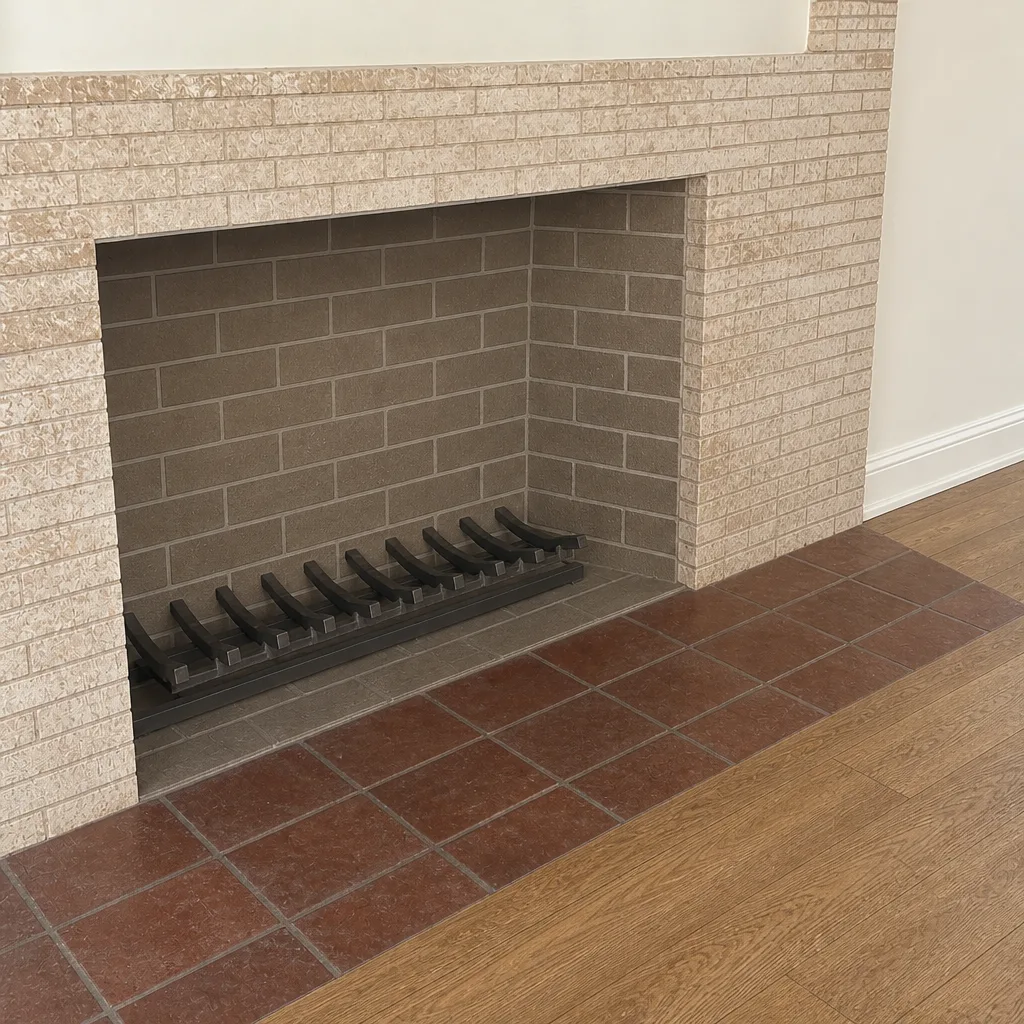
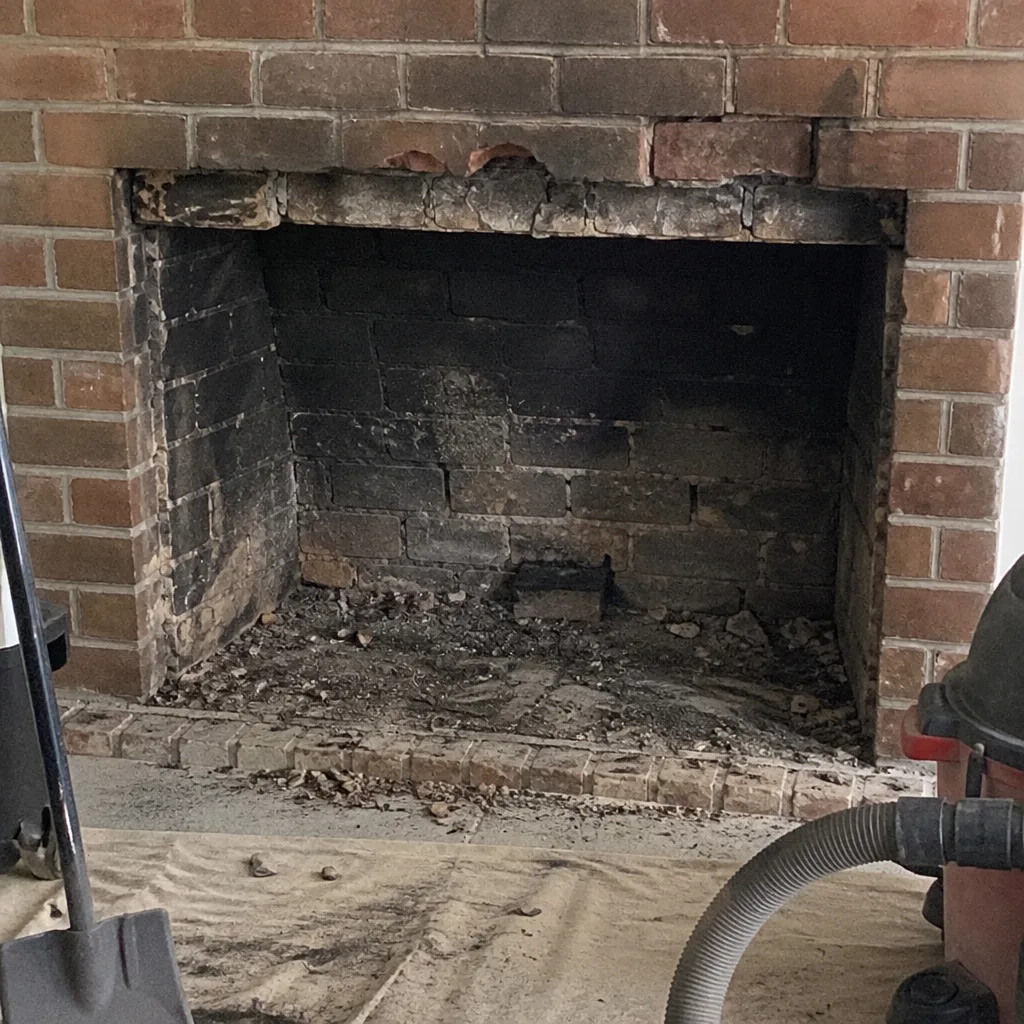
See the difference
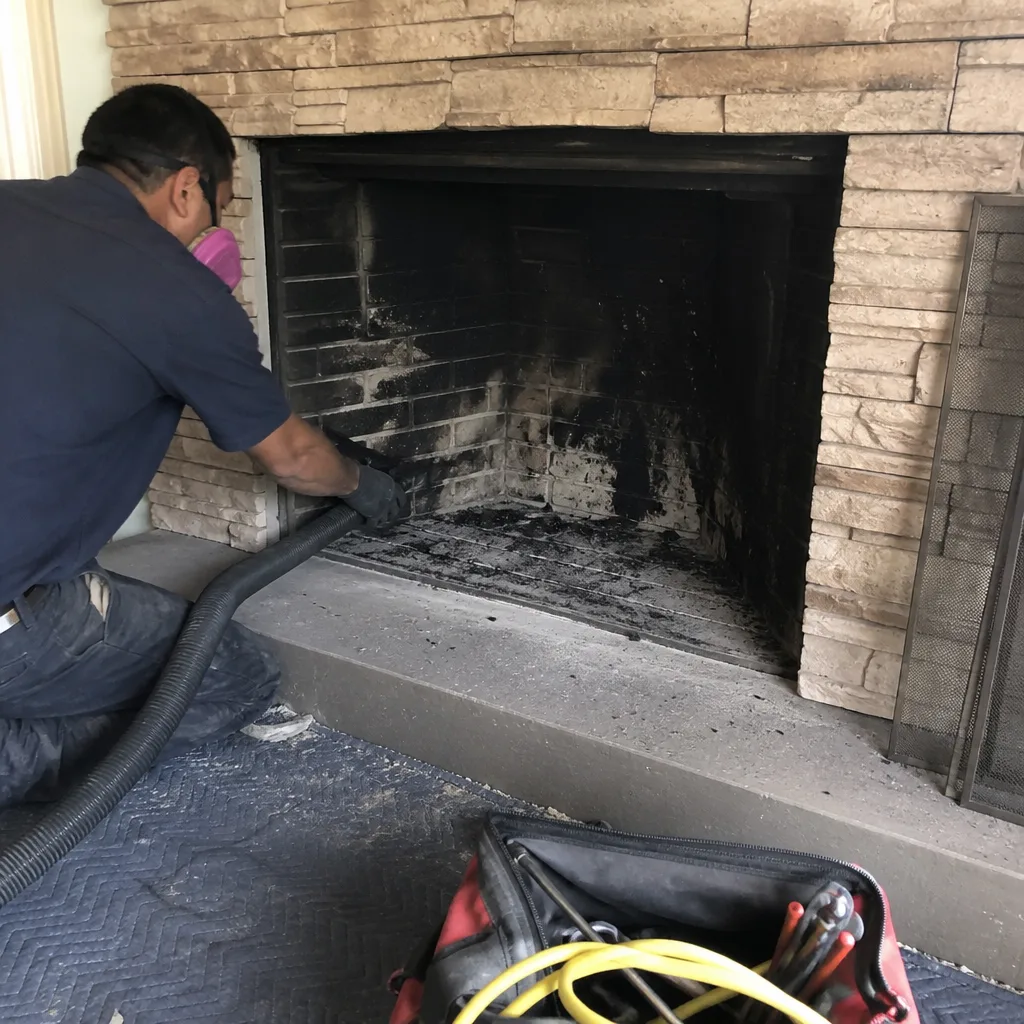 Before
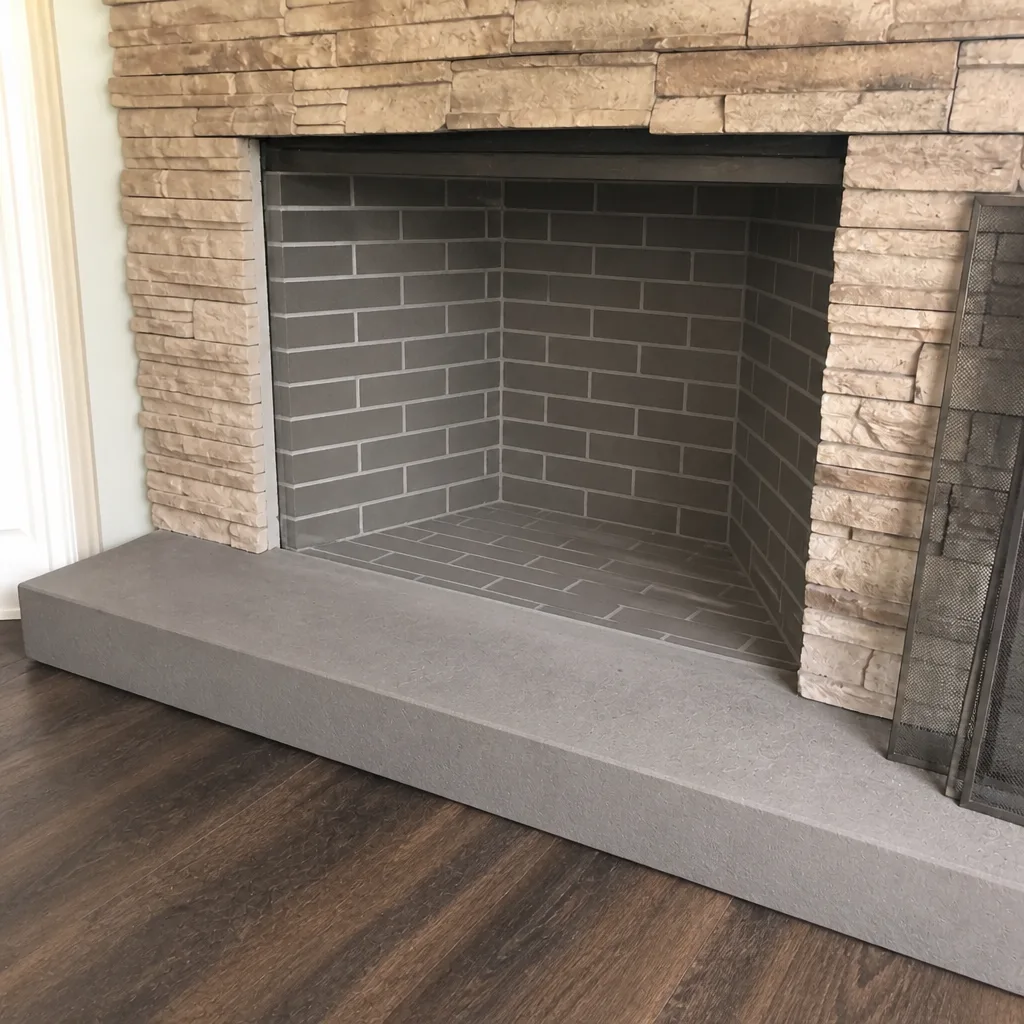 After
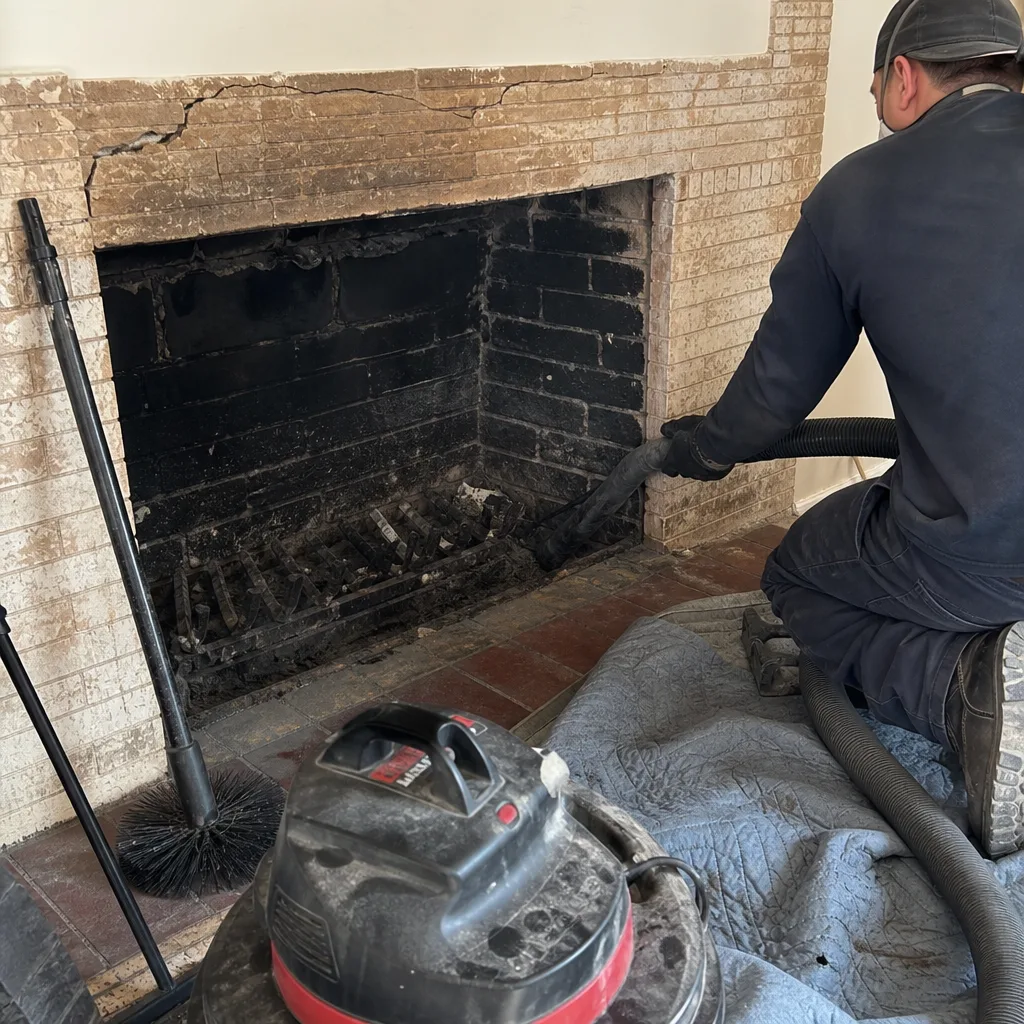 Before
 After
 Before
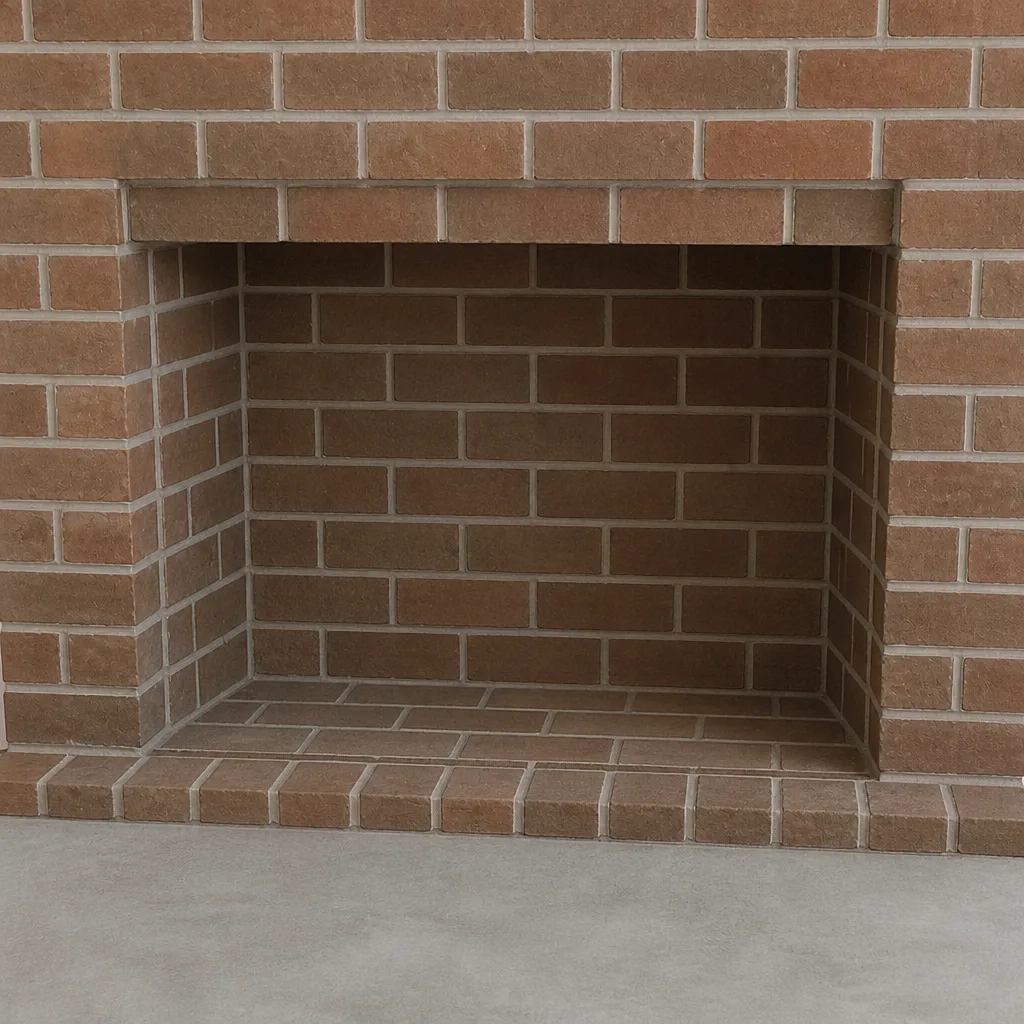 After